THE ADVENTURE COLLECTIVE® · Independent discovery and booking for outdoor travel

Spend three to four hours exploring Kobe with a local host who tailors the route to your interests — from shrines and Chinatown to Kitano’s foreign-quarter homes and a quiet garden. This private walking tour blends history, food, and local perspective with flexible pacing.
Spend three to four hours exploring Kobe with a local host who tailors the route to your interests — from shrines and Chinatown to Kitano’s foreign-quarter homes and a quiet garden. This private walking tour blends history, food, and local perspective with flexible pacing.
The morning air over Kobe tastes of sea and soy — a brisk mix that follows you from the port through narrow streets and up into the hill-side foreign quarter. A local host meets guests at a central point and, with the ease of someone who knows where the city keeps its stories, leads a private, three- to four-hour walk that stitches shrines, markets, memorials and gardens into one readable route.
Verified experiences and guided adventures in the surrounding area.
Operated by City Unscripted · Kobe, Hyogo
The morning air over Kobe tastes of sea and soy — a brisk mix that follows you from the port through narrow streets and up into the hill-side foreign quarter. A local host meets guests at a central point and, with the ease of someone who knows where the city keeps its stories, leads a private, three- to four-hour walk that stitches shrines, markets, memorials and gardens into one readable route.
Kobe was one of Japan’s earliest treaty ports; its Kitano district still shows the chequered marks of 19th-century international influence. Nankinmachi — the city’s Chinatown — offers a different history: flavors and immigrant trade routes adapted to Japanese tastes. The Great Hanshin Earthquake of 1995 is present here not only in plaques and a compact memorial but in the rebuilt infrastructure and the local narratives your guide shares.
Practical details are woven into the experience. After booking you complete a short questionnaire so your host can tailor the walk to your interests — food stalls, architecture, or reflective sites like Sorakuen garden. Mobility options are available and the tour is wheelchair- and stroller-accessible when routes permit. Public transport or short taxi hops may be used between points if your host recommends it.
Bring comfortable shoes, a light rain shell during the rainy season, and some cash for street food. Expect a flexible pace: there will be short uphill sections in Kitano and quiet moments inside shrines and gardens. This half-day format suits travelers who want an inside view of Kobe’s layered past and a local’s take on where to eat, linger, and explore next.
easy.
3–4 hours.
Basic urban walking stamina; able to handle 2–4 miles and short stair sections.
Your host will confirm a central meeting point after booking; many guests choose Sannomiya station or their centrally-located accommodation for a walk start.
The tour is described as wheelchair- and stroller-accessible where city routes permit; discuss mobility needs on the booking questionnaire so the host can plan accessible routes.
Food is not usually included unless stated; hosts will recommend stalls and restaurants and can guide you to tastes that fit your budget.
The tour runs in light rain; hosts will suggest sheltered stops and can adapt the route. Cancel at least 24 hours for a full refund per the policy.
Kobe opened as a treaty port in the late 19th century, creating a foreign settlement in Kitano and a cosmopolitan culture reflected in food and architecture; the city also rebuilt significantly after the 1995 Great Hanshin Earthquake.
Keep waste to a minimum and follow shrine etiquette—avoid loud groups in quiet garden spaces. Using public transport between neighborhoods reduces city congestion and supports low-impact exploration.
City Unscripted operates guided outdoor trips and adventures with an emphasis on safety, stewardship, and memorable experiences.
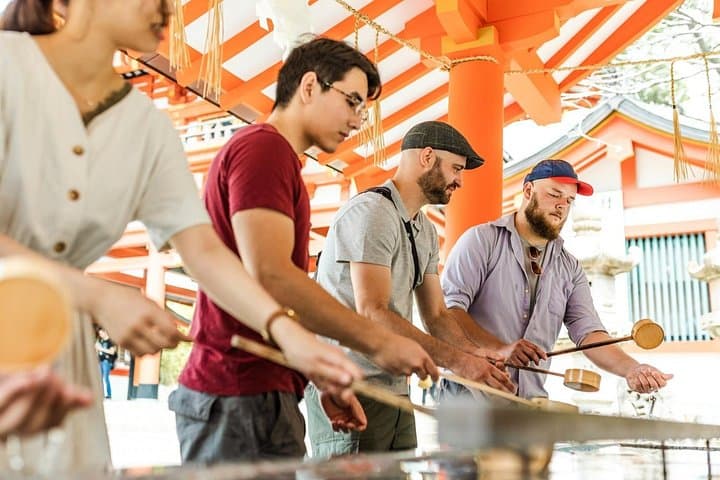
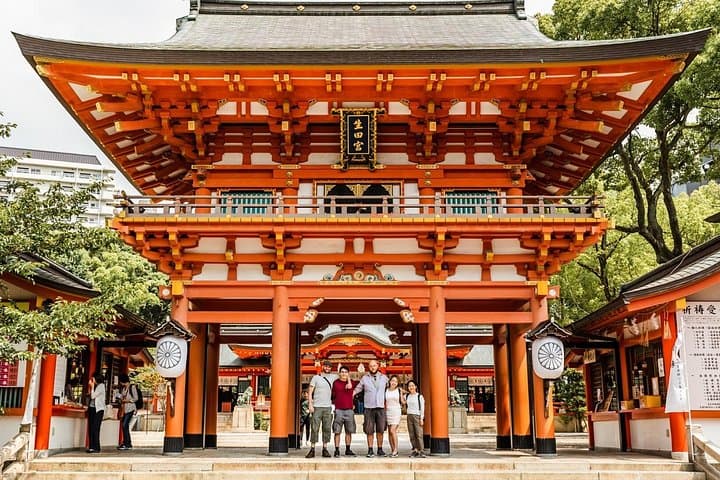
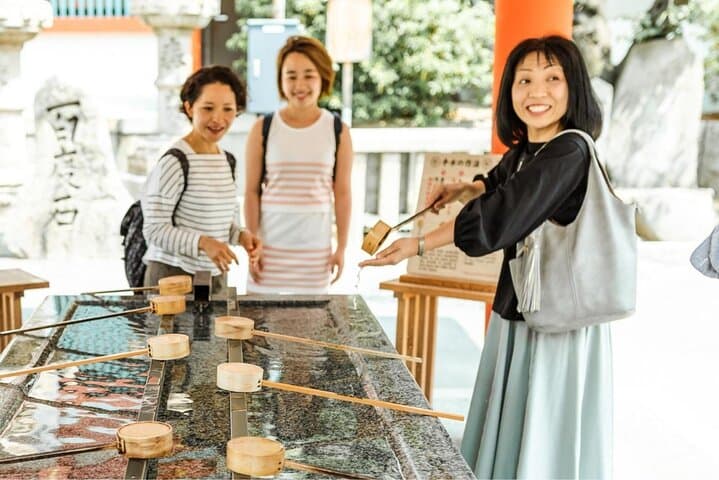
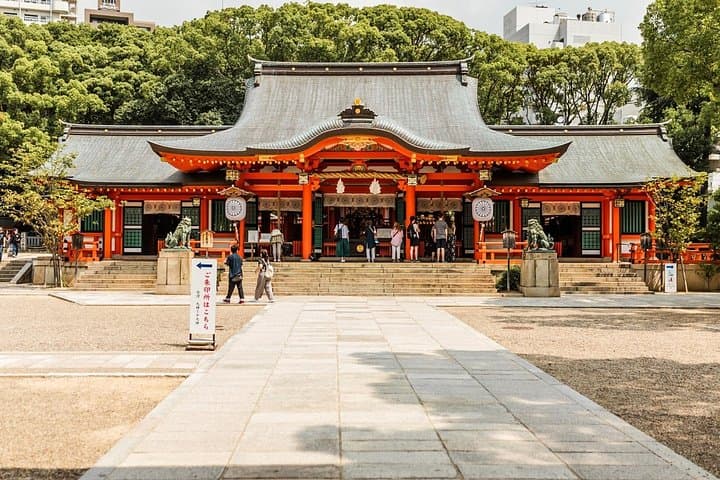
The morning air over Kobe tastes of sea and soy — a brisk mix that follows you from the port through narrow streets and up into the hill-side foreign quarter. A local host meets guests at a central point and, with the ease of someone who knows where the city keeps its stories, leads a private, three- to four-hour walk that stitches shrines, markets, memorials and gardens into one readable route.
The morning air over Kobe tastes of sea and soy — a brisk mix that follows you from the port through narrow streets and up into the hill-side foreign quarter. A local host meets guests at a central point and, with the ease of someone who knows where the city keeps its stories, leads a private, three- to four-hour walk that stitches shrines, markets, memorials and gardens into one readable route.
Kobe was one of Japan’s earliest treaty ports; its Kitano district still shows the chequered marks of 19th-century international influence. Nankinmachi — the city’s Chinatown — offers a different history: flavors and immigrant trade routes adapted to Japanese tastes. The Great Hanshin Earthquake of 1995 is present here not only in plaques and a compact memorial but in the rebuilt infrastructure and the local narratives your guide shares.
Practical details are woven into the experience. After booking you complete a short questionnaire so your host can tailor the walk to your interests — food stalls, architecture, or reflective sites like Sorakuen garden. Mobility options are available and the tour is wheelchair- and stroller-accessible when routes permit. Public transport or short taxi hops may be used between points if your host recommends it.
Bring comfortable shoes, a light rain shell during the rainy season, and some cash for street food. Expect a flexible pace: there will be short uphill sections in Kitano and quiet moments inside shrines and gardens. This half-day format suits travelers who want an inside view of Kobe’s layered past and a local’s take on where to eat, linger, and explore next.