THE ADVENTURE COLLECTIVE® · Independent discovery and booking for outdoor travel

Ride a camel across the Giza Plateau and walk among the Great Pyramid, Sphinx and Valley Temple with a private Egyptologist guide. This half‑day tour offers panoramic photo stops, museum access and flexible pacing for a compact encounter with ancient Egypt.
Ride a camel across the Giza Plateau and walk among the Great Pyramid, Sphinx and Valley Temple with a private Egyptologist guide. This half‑day tour offers panoramic photo stops, museum access and flexible pacing for a compact encounter with ancient Egypt.
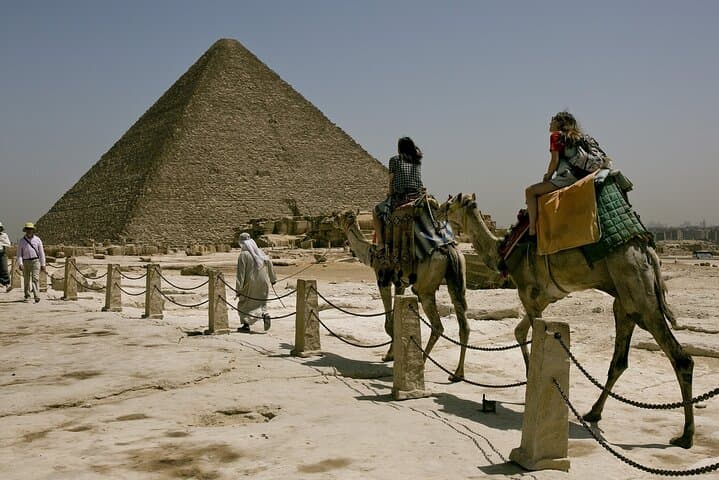
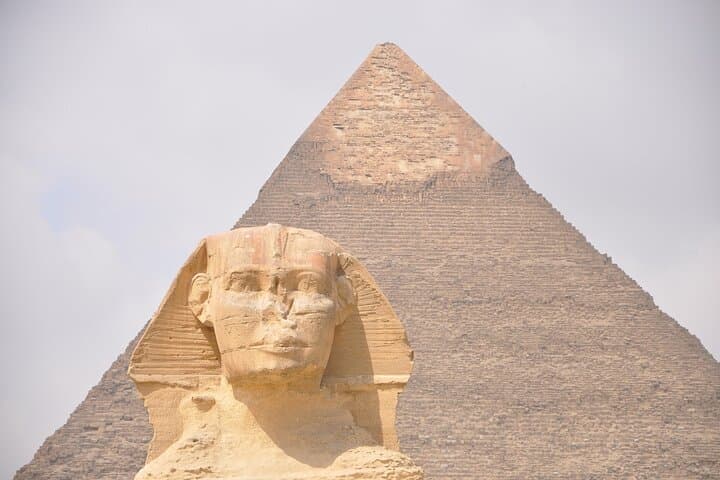
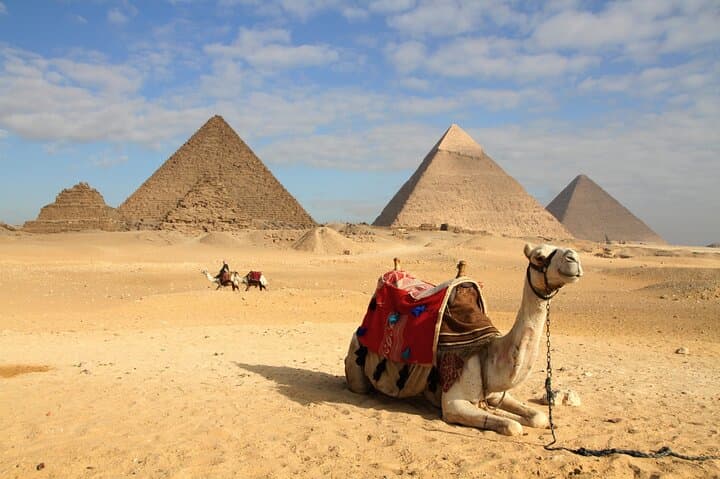
You arrive at the rim of the Giza Plateau before the day's heat swells, wind pulling sand into sharp ridges that flirt with the pyramids’ shadow. The Great Pyramid sits like a crafted mountain, its stepped angles softened by thousands of years of wind; nearby, the Sphinx watches traffic on the desert plain with a human face and leonine posture that still holds a quiet authority.
Verified experiences and guided adventures in the surrounding area.
Operated by Comfort Egypt Tours · Giza, Giza Governorate
You arrive at the rim of the Giza Plateau before the day's heat swells, wind pulling sand into sharp ridges that flirt with the pyramids’ shadow. The Great Pyramid sits like a crafted mountain, its stepped angles softened by thousands of years of wind; nearby, the Sphinx watches traffic on the desert plain with a human face and leonine posture that still holds a quiet authority.
This half‑day tour threads history and geology: limestone blocks quarried on site, mortar lines worn smooth by millennia, and the Valley Temple’s pink granite slabs—evidence of an engineering culture that prized alignment, ceremony and solar symbolism. An Egyptologist guide puts names and dates on the stones, explaining Khufu, Khafre and Menkaure and the later work that preserved the Solar Boat now on display.
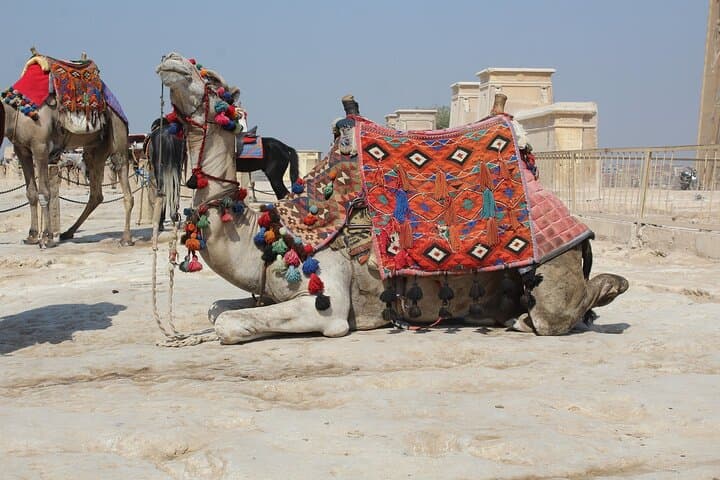
Culturally the plateau is a working landscape—camel handlers, local vendors, and museum staff all shape the experience. Expect a short camel ride across sandy tracks (operator notes vary between roughly 30–50 minutes), photo stops at panoramic viewpoints, and an optional visit to the Solar Boat Museum and Valley Temple.
Practical side: plan for sun and sand. Go early or late for softer light and cooler temperatures, carry plenty of water, wear closed shoes for loose sand and uneven stone, and bring cash for tips and small purchases. Interior pyramid access often requires a separate ticket and can feel claustrophobic—ask your guide if you want to enter. With a private vehicle pickup and a focused itinerary, this half‑day balances close-up history with a compact, manageable rhythm—an efficient way to stand in front of one of antiquity’s greatest works while still returning to the city same day.
easy.
4–5 hours.
Suitable for travelers in general good health; involves short walks on uneven sand and stone and a camel ride.
Admission to the Giza Plateau is included, but interior entry to the Great Pyramid or specific tombs may require an additional ticket—confirm with your operator or guide.
The operator lists varying durations; expect roughly 30–50 minutes depending on the itinerary and chosen route across the plateau.
Yes—panoramic viewpoints and close approaches to the pyramids and Sphinx are part of the route; guards may restrict tripod use in some areas.
The tour is rated easy and generally suitable, but interior pyramid passages are narrow and may be difficult for those with mobility issues—consult your guide for alternatives.
The Giza complex dates to Egypt’s Fourth Dynasty (c. 2600–2500 BCE); the Great Pyramid of Khufu is the only surviving structure from the ancient Seven Wonders and reflects precise alignment to cardinal points.
Visitor numbers and nearby development pressure the plateau; stick to marked paths, avoid climbing on monuments and support local conservation by following guide instructions and using designated facilities.
Comfort Egypt Tours operates guided outdoor trips and adventures with an emphasis on safety, stewardship, and memorable experiences.
You arrive at the rim of the Giza Plateau before the day's heat swells, wind pulling sand into sharp ridges that flirt with the pyramids’ shadow. The Great Pyramid sits like a crafted mountain, its stepped angles softened by thousands of years of wind; nearby, the Sphinx watches traffic on the desert plain with a human face and leonine posture that still holds a quiet authority.
You arrive at the rim of the Giza Plateau before the day's heat swells, wind pulling sand into sharp ridges that flirt with the pyramids’ shadow. The Great Pyramid sits like a crafted mountain, its stepped angles softened by thousands of years of wind; nearby, the Sphinx watches traffic on the desert plain with a human face and leonine posture that still holds a quiet authority.
This half‑day tour threads history and geology: limestone blocks quarried on site, mortar lines worn smooth by millennia, and the Valley Temple’s pink granite slabs—evidence of an engineering culture that prized alignment, ceremony and solar symbolism. An Egyptologist guide puts names and dates on the stones, explaining Khufu, Khafre and Menkaure and the later work that preserved the Solar Boat now on display.
Culturally the plateau is a working landscape—camel handlers, local vendors, and museum staff all shape the experience. Expect a short camel ride across sandy tracks (operator notes vary between roughly 30–50 minutes), photo stops at panoramic viewpoints, and an optional visit to the Solar Boat Museum and Valley Temple.
Practical side: plan for sun and sand. Go early or late for softer light and cooler temperatures, carry plenty of water, wear closed shoes for loose sand and uneven stone, and bring cash for tips and small purchases. Interior pyramid access often requires a separate ticket and can feel claustrophobic—ask your guide if you want to enter. With a private vehicle pickup and a focused itinerary, this half‑day balances close-up history with a compact, manageable rhythm—an efficient way to stand in front of one of antiquity’s greatest works while still returning to the city same day.