THE ADVENTURE COLLECTIVE® · Independent discovery and booking for outdoor travel

Stand before the Great Pyramids and Sphinx with an Egyptologist at your side on this private half-day tour. Expect focused history, clear panoramic photo stops, and practical tips for visiting one of the world’s oldest archaeological landscapes.
Stand before the Great Pyramids and Sphinx with an Egyptologist at your side on this private half-day tour. Expect focused history, clear panoramic photo stops, and practical tips for visiting one of the world’s oldest archaeological landscapes.
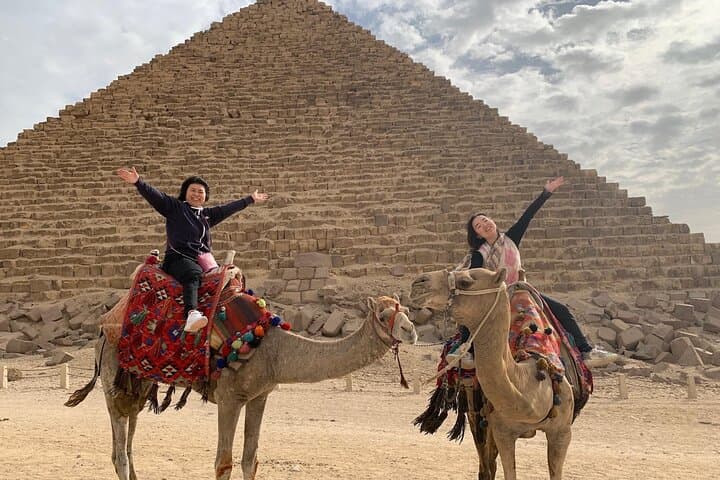
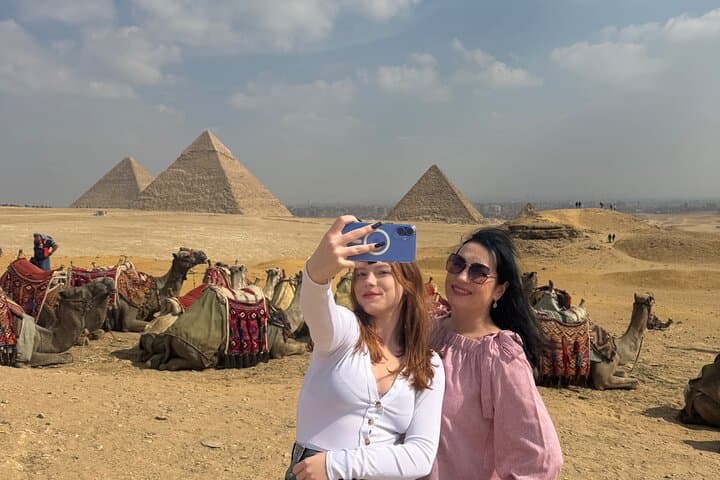
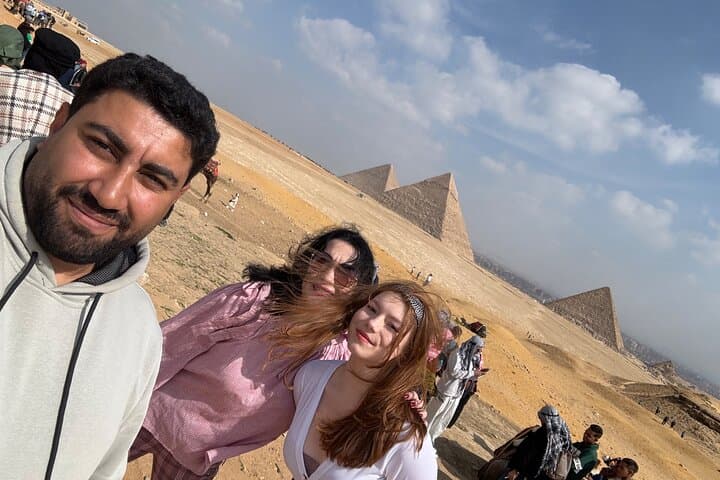
You arrive as the city’s heat slants across the plateau and the stone giants catch the sun—shadow and surface trading places on faces cut more than 4,500 years ago. The air smells faintly of dust and diesel; camels stand patient at the margins like old sentries. A private Egyptologist leads the way, voice low against wind that always seems to be shaping the dunes.
Verified experiences and guided adventures in the surrounding area.
Operated by Ramses Egypt · Giza, Giza Governorate
You arrive as the city’s heat slants across the plateau and the stone giants catch the sun—shadow and surface trading places on faces cut more than 4,500 years ago. The air smells faintly of dust and diesel; camels stand patient at the margins like old sentries. A private Egyptologist leads the way, voice low against wind that always seems to be shaping the dunes.
This half-day tour focuses on the three main pyramids (Khufu, Khafre, Menkaure), the Great Sphinx, and the Valley Temple. Built during Egypt’s Fourth Dynasty, these monuments are limestone and granite works of funerary architecture and engineering—Khufu’s pyramid originally rose to about 146 meters before casing removal, Khafre retains a bit of its polished cap, and Menkaure shows red granite at its base. The Valley Temple near the Sphinx provides a window into Old Kingdom mortuary ritual and stoneworking techniques.
Expect 3–4 hours on site with short walks across packed sand and flagged pathways, panoramic photo stops, and interpretation about construction methods, burial practices, and later-period restorations. Optional activities commonly offered: a brief camel ride, and entry to the Solar Boat Museum.
Practical guidance: go early for cooler light and thinner crowds, wear sturdy walking shoes and sun protection, carry water, and keep valuables close—sites are busy with vendors. Entry-fee options vary; confirm whether tickets (and any camel ride) are included when you book. Respect ropes and signage—these monuments are fragile and large-scale conservation is ongoing.
easy.
3–4 hours.
Suitable for most fitness levels; requires short walks on sand and uneven stone
Ticketing varies by operator; this private tour often offers optional ticket packages—confirm at booking whether entrance fees or interior pyramid access are included.
Camel rides are typically an optional extra paid on site; your guide can arrange a short ride but prices are separate from basic tour pricing.
Yes—the tour is low-impact with short walks, but keep younger children and older visitors shaded and hydrated; internal pyramid climbs (if selected) are steep and not recommended for everyone.
Interior access is limited and often sold separately; ask about availability and any age or health restrictions when booking.
The Giza monuments date to Egypt’s Old Kingdom (Fourth Dynasty, c. 2600–2500 BCE) and functioned as royal tombs and ritual complexes tied to pharaonic afterlife beliefs.
High visitor numbers and urban encroachment pose ongoing preservation challenges; follow marked routes and avoid touching exposed masonry to minimize wear.
Ramses Egypt operates guided outdoor trips and adventures with an emphasis on safety, stewardship, and memorable experiences.

You arrive as the city’s heat slants across the plateau and the stone giants catch the sun—shadow and surface trading places on faces cut more than 4,500 years ago. The air smells faintly of dust and diesel; camels stand patient at the margins like old sentries. A private Egyptologist leads the way, voice low against wind that always seems to be shaping the dunes.
You arrive as the city’s heat slants across the plateau and the stone giants catch the sun—shadow and surface trading places on faces cut more than 4,500 years ago. The air smells faintly of dust and diesel; camels stand patient at the margins like old sentries. A private Egyptologist leads the way, voice low against wind that always seems to be shaping the dunes.
This half-day tour focuses on the three main pyramids (Khufu, Khafre, Menkaure), the Great Sphinx, and the Valley Temple. Built during Egypt’s Fourth Dynasty, these monuments are limestone and granite works of funerary architecture and engineering—Khufu’s pyramid originally rose to about 146 meters before casing removal, Khafre retains a bit of its polished cap, and Menkaure shows red granite at its base. The Valley Temple near the Sphinx provides a window into Old Kingdom mortuary ritual and stoneworking techniques.
Expect 3–4 hours on site with short walks across packed sand and flagged pathways, panoramic photo stops, and interpretation about construction methods, burial practices, and later-period restorations. Optional activities commonly offered: a brief camel ride, and entry to the Solar Boat Museum.
Practical guidance: go early for cooler light and thinner crowds, wear sturdy walking shoes and sun protection, carry water, and keep valuables close—sites are busy with vendors. Entry-fee options vary; confirm whether tickets (and any camel ride) are included when you book. Respect ropes and signage—these monuments are fragile and large-scale conservation is ongoing.