THE ADVENTURE COLLECTIVE® · Independent discovery and booking for outdoor travel

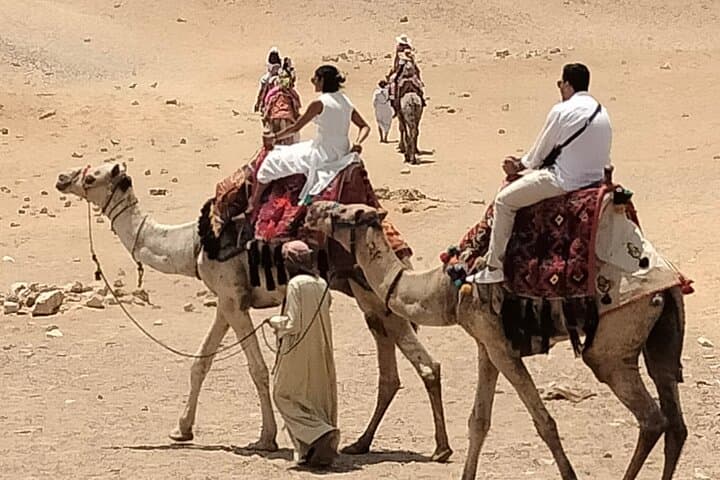
Spend a focused half-day exploring the Great Pyramid, Khafre and Menkaure, pose with the Sphinx and enjoy a 30-minute camel ride across the Giza Plateau. This private tour combines expert guiding with efficient transfers—ideal for visitors short on time.
Spend a focused half-day exploring the Great Pyramid, Khafre and Menkaure, pose with the Sphinx and enjoy a 30-minute camel ride across the Giza Plateau. This private tour combines expert guiding with efficient transfers—ideal for visitors short on time.
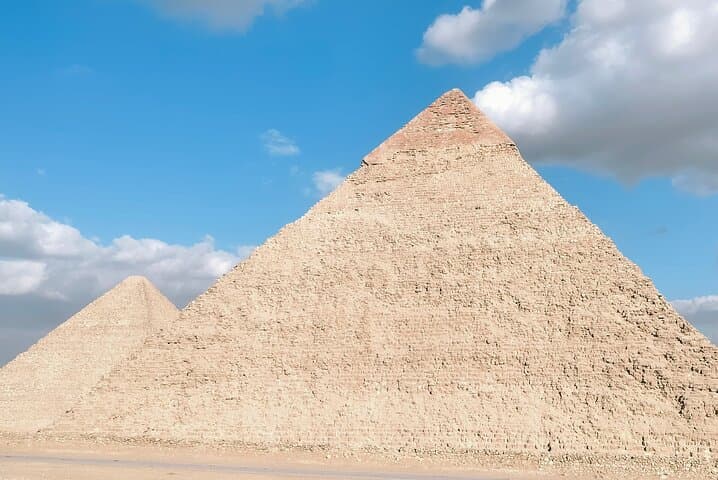
Sand, stone and the curve of the Nile frame the first steps up onto the Giza Plateau: the air is dry, the sky wide, and the pyramids loom like patient giants over the flat desert.
Verified experiences and guided adventures in the surrounding area.
Operated by Egyptravel Tours · Giza, Giza Governorate
Sand, stone and the curve of the Nile frame the first steps up onto the Giza Plateau: the air is dry, the sky wide, and the pyramids loom like patient giants over the flat desert.
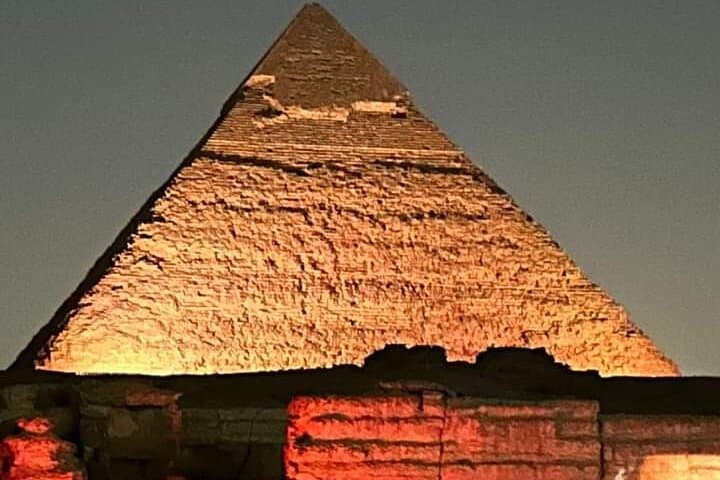
This half-day private tour moves fast but deliberately—start at the Great Pyramid of Khufu, the last standing of the ancient Seven Wonders, then pass Khafre and Menkaure before circling the Sphinx. The plateau’s limestone bedrock and quarried blocks tell a geological story of an ancient seabed uplifted and shaped by millennia of human engineering.
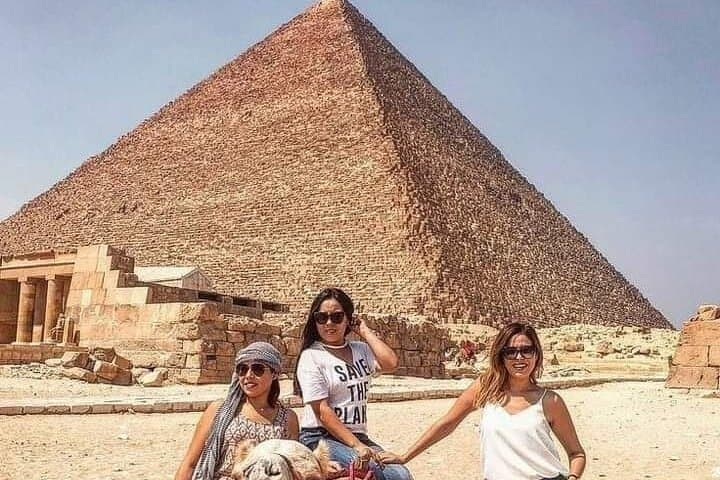
Built in the 26th century BCE, the three main pyramids marked royal power and funerary practice; the Sphinx—carved from a single mass of rock—guards their valley temple with an inscrutable gaze. Local culture around Giza blends Pharaonic archaeology with modern Egyptian life: vendors, camel handlers and small cafés cluster at viewpoints where visitors stage classic forced-perspective photos.
Practical guidance: expect 4–5 hours including hotel transfers, a 30-minute camel ride, and entrance fees to the plateau (interior pyramid access usually requires a separate ticket). Walk on packed sand, some loose gravel and stepped ramps; the sun is the dominant element—shade is minimal.
Bring sun protection, a bottle of water, and comfortable shoes with traction. Plan your visit for early morning or late afternoon to avoid peak heat and the heaviest crowds. Respect site boundaries, follow your guide’s instructions near animals, and carry small change for tips and purchases.
easy.
4–5 hours.
Low-impact walking ability required; suitable for most fitness levels but expect short periods standing and uneven ground.
This tour includes entry to the Giza Plateau and Sphinx; access to go inside the pyramids usually requires a separate ticket and may not be included.
Camel rides are commonly offered to families; handlers manage mounts and rides—but children should be supervised and remain seated on laps if very small.
Elements of the plateau are accessible and transfers can accommodate wheelchairs, but some paths and camel activities may not be suitable for full mobility devices—confirm with the operator in advance.
Expect moderate walking between viewpoints and around archaeological areas—walks are short but on uneven ground; the tour is labeled suitable for all fitness levels.
The Giza complex dates to Egypt’s Old Kingdom; the Great Pyramid (Khufu) remained the world’s tallest structure until the 19th century and reflects advanced ancient engineering and funerary practice.
Visitor impact is managed through designated paths and controlled access; avoid climbing on monuments, reduce single-use plastics and support local guides who follow site regulations.
Egyptravel Tours operates guided outdoor trips and adventures with an emphasis on safety, stewardship, and memorable experiences.
Sand, stone and the curve of the Nile frame the first steps up onto the Giza Plateau: the air is dry, the sky wide, and the pyramids loom like patient giants over the flat desert.
Sand, stone and the curve of the Nile frame the first steps up onto the Giza Plateau: the air is dry, the sky wide, and the pyramids loom like patient giants over the flat desert.
This half-day private tour moves fast but deliberately—start at the Great Pyramid of Khufu, the last standing of the ancient Seven Wonders, then pass Khafre and Menkaure before circling the Sphinx. The plateau’s limestone bedrock and quarried blocks tell a geological story of an ancient seabed uplifted and shaped by millennia of human engineering.
Built in the 26th century BCE, the three main pyramids marked royal power and funerary practice; the Sphinx—carved from a single mass of rock—guards their valley temple with an inscrutable gaze. Local culture around Giza blends Pharaonic archaeology with modern Egyptian life: vendors, camel handlers and small cafés cluster at viewpoints where visitors stage classic forced-perspective photos.
Practical guidance: expect 4–5 hours including hotel transfers, a 30-minute camel ride, and entrance fees to the plateau (interior pyramid access usually requires a separate ticket). Walk on packed sand, some loose gravel and stepped ramps; the sun is the dominant element—shade is minimal.
Bring sun protection, a bottle of water, and comfortable shoes with traction. Plan your visit for early morning or late afternoon to avoid peak heat and the heaviest crowds. Respect site boundaries, follow your guide’s instructions near animals, and carry small change for tips and purchases.