THE ADVENTURE COLLECTIVE® · Independent discovery and booking for outdoor travel

A focused half-day private tour of the Giza Plateau that pairs an expert Egyptologist guide with a 30-minute camel ride and lunch. Ideal for travelers who want an efficient, immersive introduction to the pyramids, the Sphinx and the Valley Temple.
A focused half-day private tour of the Giza Plateau that pairs an expert Egyptologist guide with a 30-minute camel ride and lunch. Ideal for travelers who want an efficient, immersive introduction to the pyramids, the Sphinx and the Valley Temple.
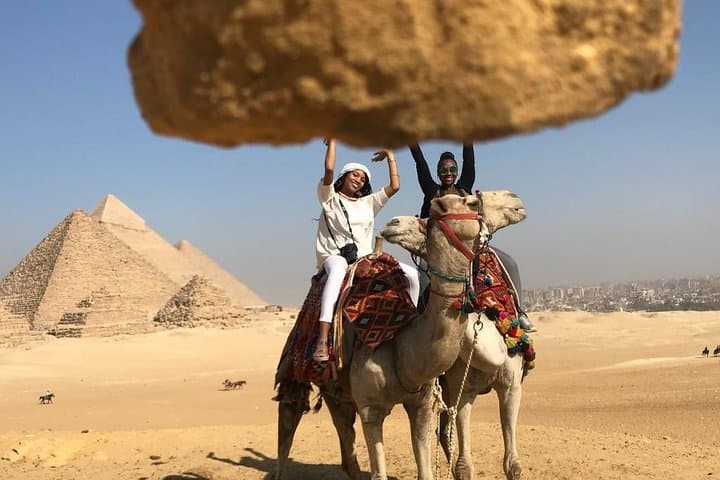
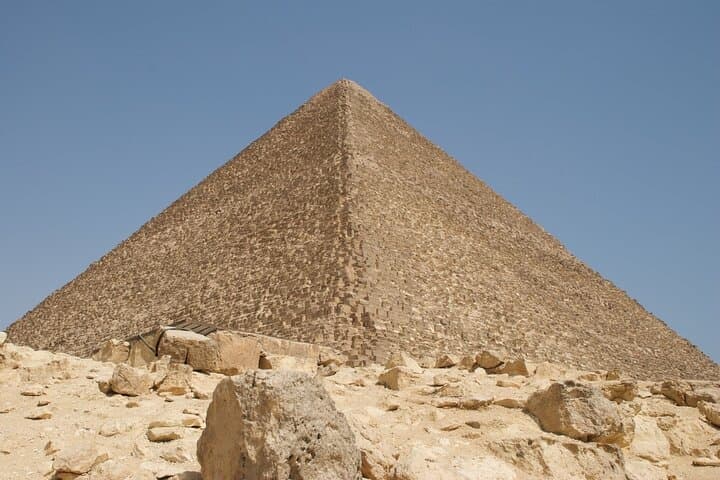
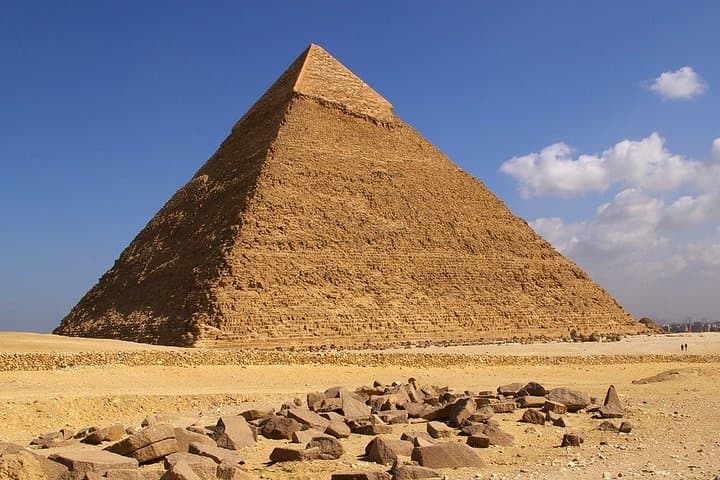
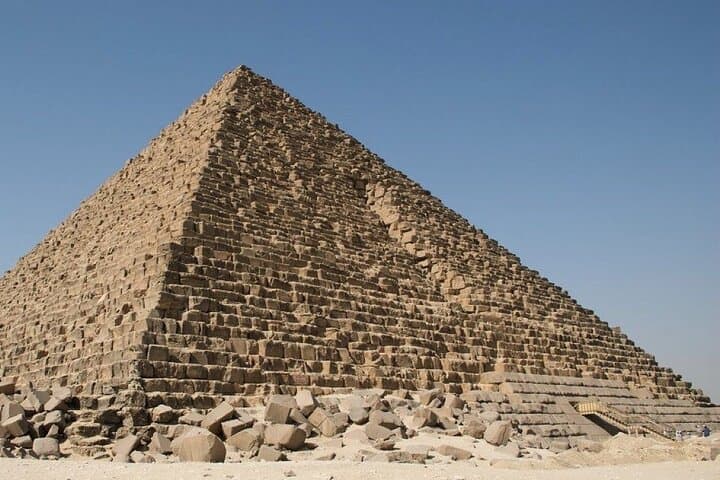
Morning light slices across the limestone faces of the Great Pyramid as your private guide draws the van to a stop on the Giza Plateau. Sand eddies at the wheel, and the three great tombs — Khufu, Khafre and Menkaure — loom, their blocks weathered but immovable. A camel waits, patient, its harness creaking like a portal to another century.
Verified experiences and guided adventures in the surrounding area.
Operated by Grand Egypt Tours · Giza, Giza Governorate
Morning light slices across the limestone faces of the Great Pyramid as your private guide draws the van to a stop on the Giza Plateau. Sand eddies at the wheel, and the three great tombs — Khufu, Khafre and Menkaure — loom, their blocks weathered but immovable. A camel waits, patient, its harness creaking like a portal to another century.
The plateau is part of the western desert edge of the Nile Valley; the pyramids date to Egypt's Old Kingdom (c. 2600–2500 BCE) and were built as monumental tombs for pharaohs whose labor and engineering shaped early civilization. The Sphinx, linked to Khafre's funerary complex, presides near the Valley Temple, where stone once met ritual. Geologically the site is Eocene limestone formed into durable platforms that have preserved the monuments.
This private half-day tour covers hotel pickup, a 30-minute camel ride from a prime viewpoint on the plateau, a close-up of the Sphinx and the Valley Temple, then lunch at a local restaurant. Expect short walks on uneven, sandy surfaces and open sun; comfortable shoes and sun protection matter more than athletic fitness. Cameras are welcome but follow your guide's instructions near sensitive structures.
Timing: mornings are cooler and less windy; afternoons can be hazy. Respect the site—no climbing, no graffiti—and be ready for bargaining if you interact with local vendors outside the official circuit. With a bit of planning, this compact visit delivers the scale and history that keeps travelers returning to Egypt.
easy.
4 hours.
Suitable for most fitness levels; able to walk short stretches on sand and uneven surfaces.
Yes — the tour provides hotel pickup and drop-off from central Cairo and Giza hotels; confirm your pickup point when booking.
Access to pyramid interiors is restricted and often requires separate tickets; this half-day tour focuses on exterior viewpoints, the Sphinx and the Valley Temple.
Camels used on the plateau are domesticated for short rides and generally safe, but riders should be steady on their feet and follow handlers' instructions.
Tipping is customary in Egypt; a modest amount for your guide and the camel handler (a few USD or equivalent) is appreciated and common.
The Giza pyramids were constructed during Egypt's Old Kingdom (c. 2600–2500 BCE); Khufu's pyramid is the largest, while the Sphinx is closely associated with Khafre's funerary complex.
The plateau is a protected archaeological zone; visitors should avoid touching stones and follow signage to reduce wear. Tourism revenues support local conservation initiatives, but crowd control and respectful behavior remain essential.
Grand Egypt Tours operates guided outdoor trips and adventures with an emphasis on safety, stewardship, and memorable experiences.
Morning light slices across the limestone faces of the Great Pyramid as your private guide draws the van to a stop on the Giza Plateau. Sand eddies at the wheel, and the three great tombs — Khufu, Khafre and Menkaure — loom, their blocks weathered but immovable. A camel waits, patient, its harness creaking like a portal to another century.
Morning light slices across the limestone faces of the Great Pyramid as your private guide draws the van to a stop on the Giza Plateau. Sand eddies at the wheel, and the three great tombs — Khufu, Khafre and Menkaure — loom, their blocks weathered but immovable. A camel waits, patient, its harness creaking like a portal to another century.
The plateau is part of the western desert edge of the Nile Valley; the pyramids date to Egypt's Old Kingdom (c. 2600–2500 BCE) and were built as monumental tombs for pharaohs whose labor and engineering shaped early civilization. The Sphinx, linked to Khafre's funerary complex, presides near the Valley Temple, where stone once met ritual. Geologically the site is Eocene limestone formed into durable platforms that have preserved the monuments.
This private half-day tour covers hotel pickup, a 30-minute camel ride from a prime viewpoint on the plateau, a close-up of the Sphinx and the Valley Temple, then lunch at a local restaurant. Expect short walks on uneven, sandy surfaces and open sun; comfortable shoes and sun protection matter more than athletic fitness. Cameras are welcome but follow your guide's instructions near sensitive structures.
Timing: mornings are cooler and less windy; afternoons can be hazy. Respect the site—no climbing, no graffiti—and be ready for bargaining if you interact with local vendors outside the official circuit. With a bit of planning, this compact visit delivers the scale and history that keeps travelers returning to Egypt.