THE ADVENTURE COLLECTIVE® · Independent discovery and booking for outdoor travel

See the Great Pyramid, Sphinx and Queen’s Pyramids on a private half-day tour from Cairo. Book a morning slot, bring sun protection and a local Egyptologist to make the most of the plateau’s history and views.
See the Great Pyramid, Sphinx and Queen’s Pyramids on a private half-day tour from Cairo. Book a morning slot, bring sun protection and a local Egyptologist to make the most of the plateau’s history and views.
You arrive at the Giza Plateau with the sun low and a wind that dares you to walk closer. Sand dusts the base of stone giants; the Great Pyramid rises with geometric certainty, the Sphinx watches in carved silence, and the compact Queen’s Pyramids sit like smaller guardians down the slope.
Verified experiences and guided adventures in the surrounding area.
Operated by Tours Egypt -day tours · Giza, Giza Governorate
You arrive at the Giza Plateau with the sun low and a wind that dares you to walk closer. Sand dusts the base of stone giants; the Great Pyramid rises with geometric certainty, the Sphinx watches in carved silence, and the compact Queen’s Pyramids sit like smaller guardians down the slope.
This half-day private tour traces more than 4,500 years of funerary engineering: the main pyramids date to the Fourth Dynasty (circa 2600–2500 BCE), the Sphinx often linked to Khafre stares east, and the Valley Temple shows the place where bodies were prepared for burial. Geologically the plateau is limestone bedrock capped by wind-sorted sand, a working surface that preserved carved faces and slow erosion alike. Local culture today mixes Bedouin vendors, camel handlers, and guides who pass on millennia of stories—expect to hear both archaeological context and neighborhood lore.
Practical guidance: book a morning slot to avoid peak heat and crowds; allow about four hours including hotel transfers. Wear sturdy shoes for uneven limestone and packed sand, carry at least 1–2 liters of water, and bring sun protection—there’s little shade. Photography is excellent from the plateau rim but respect signage and avoid climbing the monuments. A private Egyptologist guide typically adds historical depth and helps you navigate ticket lines and camel options.
This is a manageable, sensoryhalf-day that pairs easy walking with world-class antiquity—compact enough for a single morning yet rich in details that reward curiosity and practical planning.
easy.
4 hours.
Suitable for most fitness levels—short walks on uneven ground and stairs are possible.
This private half-day tour runs about four hours including hotel pickup and drop-off.
Entrance is included depending on the tour option booked—confirm at checkout and with your guide on arrival.
Yes—camel rides are commonly offered but are optional and usually priced separately; negotiate price beforehand.
The site is regularly visited by tourists; a private guide simplifies navigation, logistics, and language barriers, and helps you avoid scam offers.
The pyramids at Giza were built in the Fourth Dynasty (c. 2600–2500 BCE) as monumental tombs and components of complex funerary landscapes.
High visitor numbers and local activity stress the plateau—follow marked paths, avoid touching carved surfaces, and support licensed guides to reduce informal commerce.
Tours Egypt -day tours operates guided outdoor trips and adventures with an emphasis on safety, stewardship, and memorable experiences.
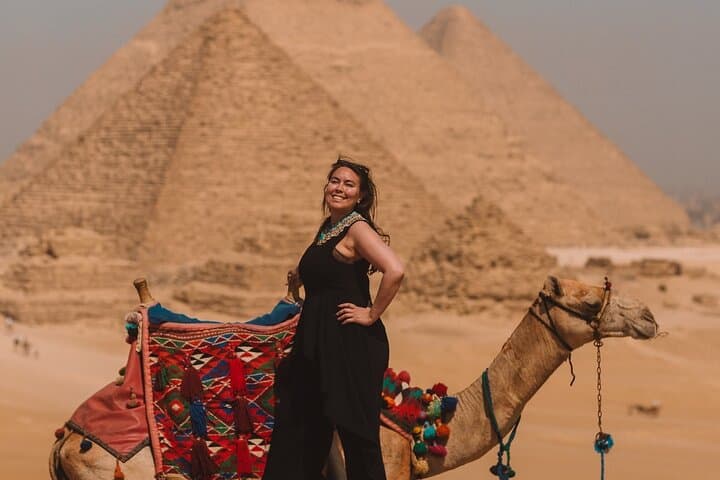
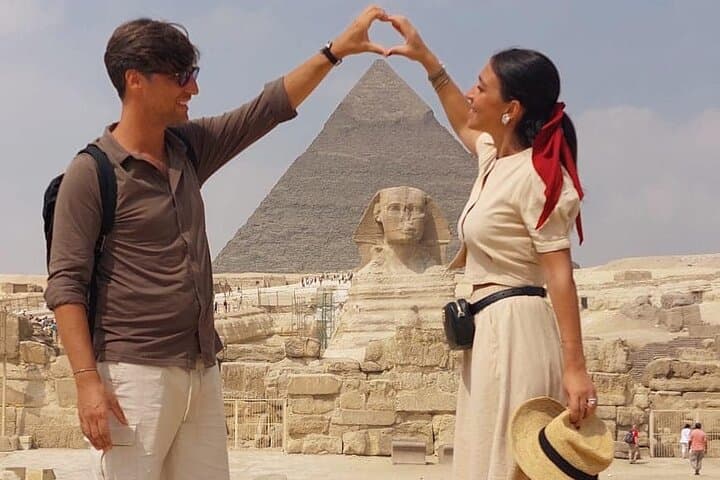
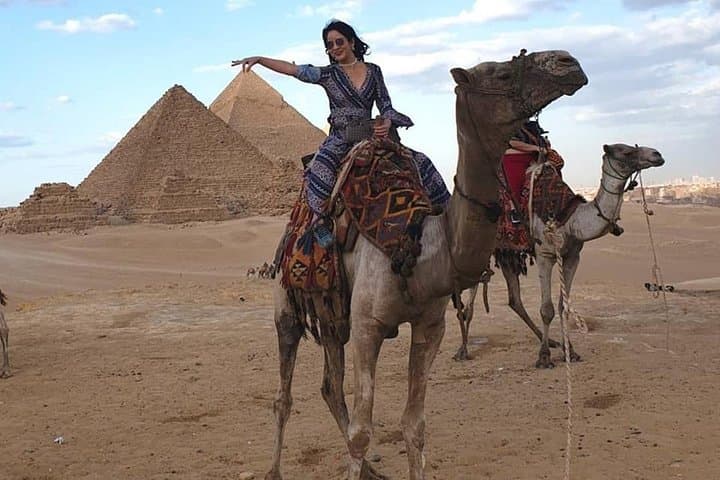
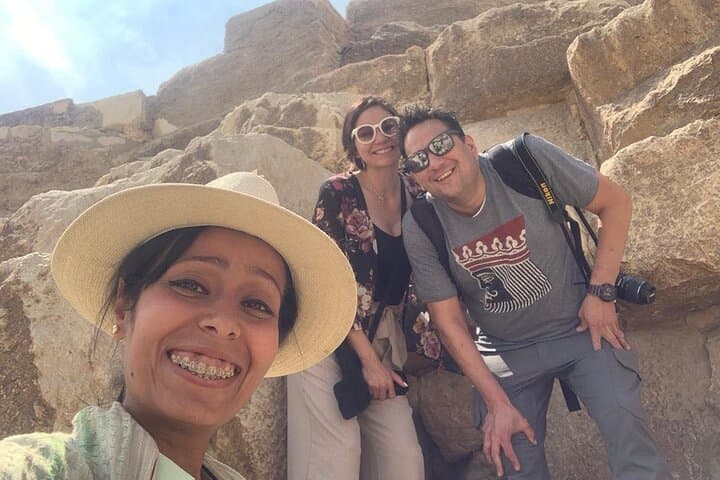
You arrive at the Giza Plateau with the sun low and a wind that dares you to walk closer. Sand dusts the base of stone giants; the Great Pyramid rises with geometric certainty, the Sphinx watches in carved silence, and the compact Queen’s Pyramids sit like smaller guardians down the slope.
You arrive at the Giza Plateau with the sun low and a wind that dares you to walk closer. Sand dusts the base of stone giants; the Great Pyramid rises with geometric certainty, the Sphinx watches in carved silence, and the compact Queen’s Pyramids sit like smaller guardians down the slope.
This half-day private tour traces more than 4,500 years of funerary engineering: the main pyramids date to the Fourth Dynasty (circa 2600–2500 BCE), the Sphinx often linked to Khafre stares east, and the Valley Temple shows the place where bodies were prepared for burial. Geologically the plateau is limestone bedrock capped by wind-sorted sand, a working surface that preserved carved faces and slow erosion alike. Local culture today mixes Bedouin vendors, camel handlers, and guides who pass on millennia of stories—expect to hear both archaeological context and neighborhood lore.
Practical guidance: book a morning slot to avoid peak heat and crowds; allow about four hours including hotel transfers. Wear sturdy shoes for uneven limestone and packed sand, carry at least 1–2 liters of water, and bring sun protection—there’s little shade. Photography is excellent from the plateau rim but respect signage and avoid climbing the monuments. A private Egyptologist guide typically adds historical depth and helps you navigate ticket lines and camel options.
This is a manageable, sensoryhalf-day that pairs easy walking with world-class antiquity—compact enough for a single morning yet rich in details that reward curiosity and practical planning.