THE ADVENTURE COLLECTIVE® · Independent discovery and booking for outdoor travel

Spend a focused half-day with an Egyptologist at the Egyptian Museum, then step into the living maze of Khan el-Khalili for market bargaining and local flavor. This private tour combines curated antiquities with an authentic bazaar stroll.
Spend a focused half-day with an Egyptologist at the Egyptian Museum, then step into the living maze of Khan el-Khalili for market bargaining and local flavor. This private tour combines curated antiquities with an authentic bazaar stroll.
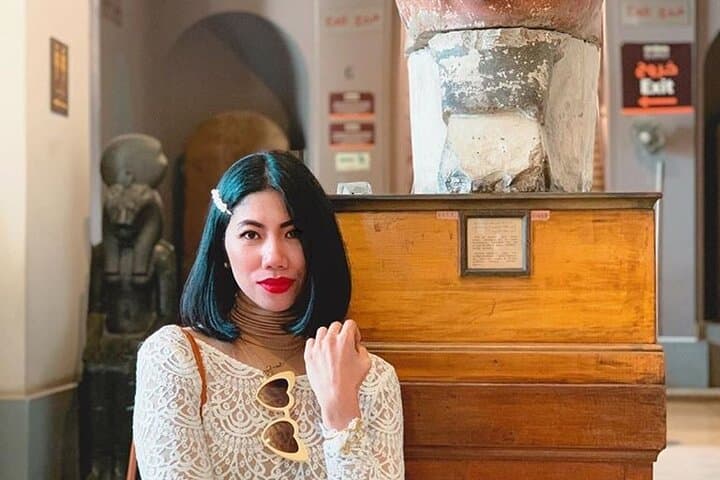
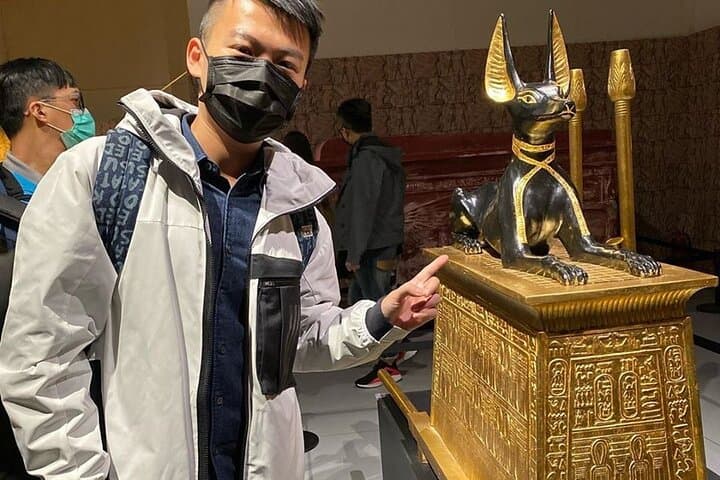
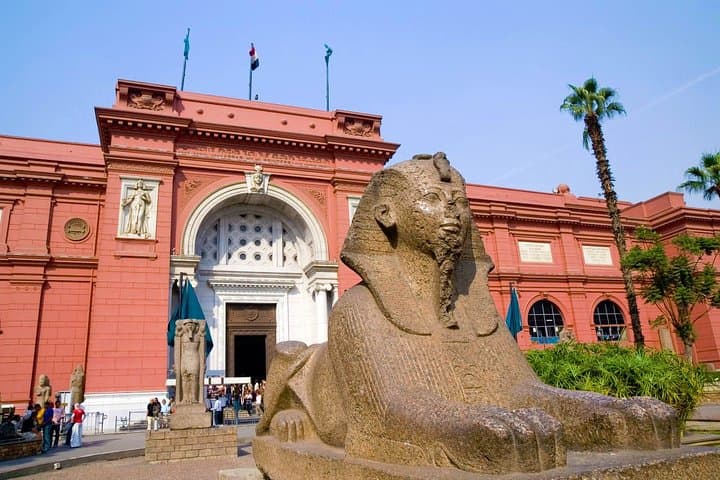
Morning light slants across Tahrir Square as a private car slips through Cairo traffic, delivering travelers to the imposing façade of the Egyptian Museum. Inside, glass cases and dim galleries hold gold, carved stone, and faces frozen by millennia; the guide’s voice threads context through crowded display rooms, directing attention to Tutankhamun’s jewelry and the dense chronology of pharaonic dynasties.
Verified experiences and guided adventures in the surrounding area.
Operated by Egypt Gift Tours · Cairo, Cairo
Morning light slants across Tahrir Square as a private car slips through Cairo traffic, delivering travelers to the imposing façade of the Egyptian Museum. Inside, glass cases and dim galleries hold gold, carved stone, and faces frozen by millennia; the guide’s voice threads context through crowded display rooms, directing attention to Tutankhamun’s jewelry and the dense chronology of pharaonic dynasties.
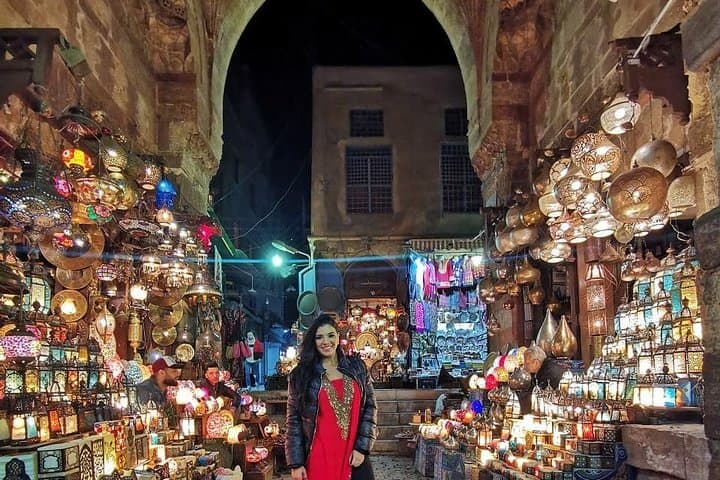
The museum sits on the northern edge of downtown Cairo, a city shaped by the Nile’s floodplain and millennia of human engineering. From prehistory to Roman rule and the Islamic era, the exhibits map Egypt’s long cultural arcs. A short drive into Islamic Cairo brings Khan el-Khalili, a market district born in the 14th century where alleys open onto stalls selling brass, leather, perfumes, and small antiques—the bazaar still conducts its commerce with the rhythm of bargaining and social coffee stops.
Expect mixed terrain: museum steps and tiled halls, then narrow cobblestone alleys with uneven ground. Sensory contrasts are immediate—cool, quiet galleries followed by sunlit, fragrant market lanes where spices and metalware dare you to examine them closely.
Practical guidance: the half-day tour runs about five hours with hotel pickup and drop-off included; entrance fees are typically paid separately. Carry a small daypack, wear comfortable shoes, bring water, and keep valuables secure against crowds. Morning slots avoid peak heat and the busiest bazaar hours. This tour balances focused history with a chance to practice conversational bargaining at one of Cairo’s most enduring marketplaces.
easy.
4–5 hours.
Suitable for travelers of average mobility; involves walking and standing for extended periods.
Most bookings exclude museum entrance and optional mummy room tickets; guides will advise how to pay, often by card at the site.
The provider notes wheelchair access is available, but some museum rooms and bazaar alleys can be narrow—confirm accessibility needs at booking.
Typical itinerary allocates roughly three hours for the Egyptian Museum and around 90 minutes for Khan el-Khalili, with transport time included in the half-day.
Yes, certified Egyptology guides can explain local bargaining etiquette and may offer language help, though purchasing decisions remain up to you.
Khan el-Khalili dates to the 14th century as a caravan trade hub, while the Egyptian Museum (established in 1902) concentrates artifacts spanning 5,000 years of Egyptian civilization.
Museums balance artifact conservation with visitor access; try to avoid flash photography and follow posted rules. Support local preservation by choosing licensed vendors and avoiding purchases of archaeological material.
Egypt Gift Tours operates guided outdoor trips and adventures with an emphasis on safety, stewardship, and memorable experiences.
Morning light slants across Tahrir Square as a private car slips through Cairo traffic, delivering travelers to the imposing façade of the Egyptian Museum. Inside, glass cases and dim galleries hold gold, carved stone, and faces frozen by millennia; the guide’s voice threads context through crowded display rooms, directing attention to Tutankhamun’s jewelry and the dense chronology of pharaonic dynasties.
Morning light slants across Tahrir Square as a private car slips through Cairo traffic, delivering travelers to the imposing façade of the Egyptian Museum. Inside, glass cases and dim galleries hold gold, carved stone, and faces frozen by millennia; the guide’s voice threads context through crowded display rooms, directing attention to Tutankhamun’s jewelry and the dense chronology of pharaonic dynasties.
The museum sits on the northern edge of downtown Cairo, a city shaped by the Nile’s floodplain and millennia of human engineering. From prehistory to Roman rule and the Islamic era, the exhibits map Egypt’s long cultural arcs. A short drive into Islamic Cairo brings Khan el-Khalili, a market district born in the 14th century where alleys open onto stalls selling brass, leather, perfumes, and small antiques—the bazaar still conducts its commerce with the rhythm of bargaining and social coffee stops.
Expect mixed terrain: museum steps and tiled halls, then narrow cobblestone alleys with uneven ground. Sensory contrasts are immediate—cool, quiet galleries followed by sunlit, fragrant market lanes where spices and metalware dare you to examine them closely.
Practical guidance: the half-day tour runs about five hours with hotel pickup and drop-off included; entrance fees are typically paid separately. Carry a small daypack, wear comfortable shoes, bring water, and keep valuables secure against crowds. Morning slots avoid peak heat and the busiest bazaar hours. This tour balances focused history with a chance to practice conversational bargaining at one of Cairo’s most enduring marketplaces.