THE ADVENTURE COLLECTIVE® · Independent discovery and booking for outdoor travel

Explore Dendera’s Temple of Hathor on a private half-day from Luxor with a licensed Egyptologist. See the famed zodiac ceiling, Roman-era additions, and compact ritual spaces with hotel pickup and return.
Explore Dendera’s Temple of Hathor on a private half-day from Luxor with a licensed Egyptologist. See the famed zodiac ceiling, Roman-era additions, and compact ritual spaces with hotel pickup and return.
Early light on the desert plain makes the low reliefs of Dendera catch like a coin; the Nile unwinds nearby, patient and slow, daring the traveler to slow down too.
Verified experiences and guided adventures in the surrounding area.
Operated by Icon Tours Egypt · Dendera, Qena Governorate
Early light on the desert plain makes the low reliefs of Dendera catch like a coin; the Nile unwinds nearby, patient and slow, daring the traveler to slow down too.
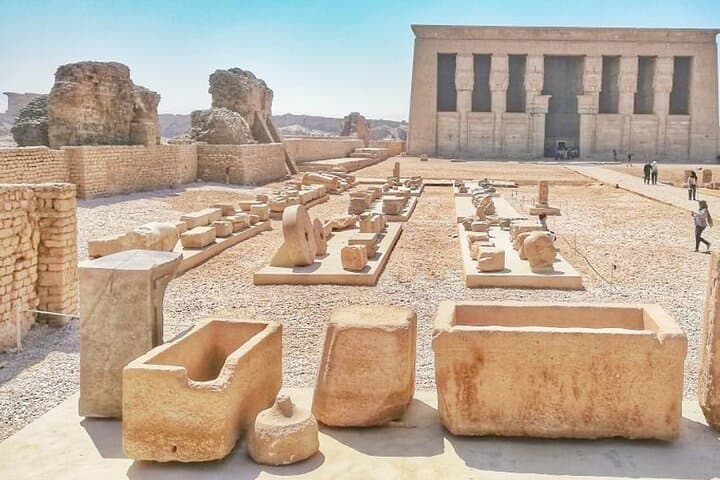
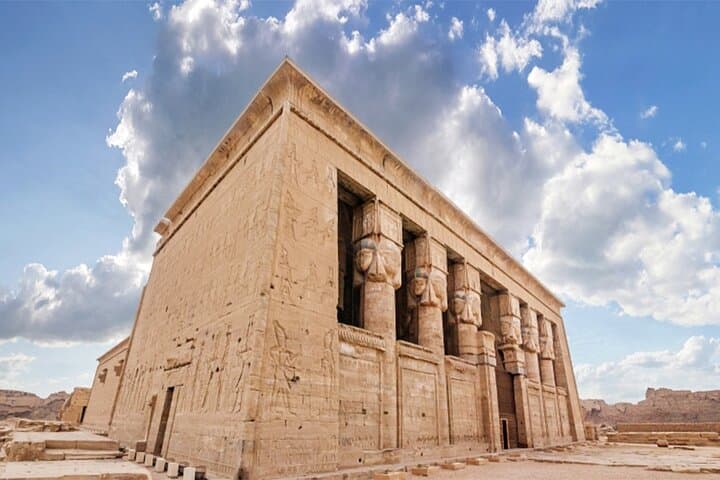
On this private half-day, an Egyptologist leads visitors across the temple complex dedicated to Hathor — goddess of music, joy and motherhood — where painted columns and the famous zodiac ceiling hold court above a compact, layered site. The architecture visible today is largely Ptolemaic with Roman-era additions; in stone you can read the late-pharaonic attempts to reconcile native iconography with imperial portraiture. The temple sits on the Nile floodplain, built on compacted alluvium and mud-brick foundations that explain the horizontal layout and low step terraces.
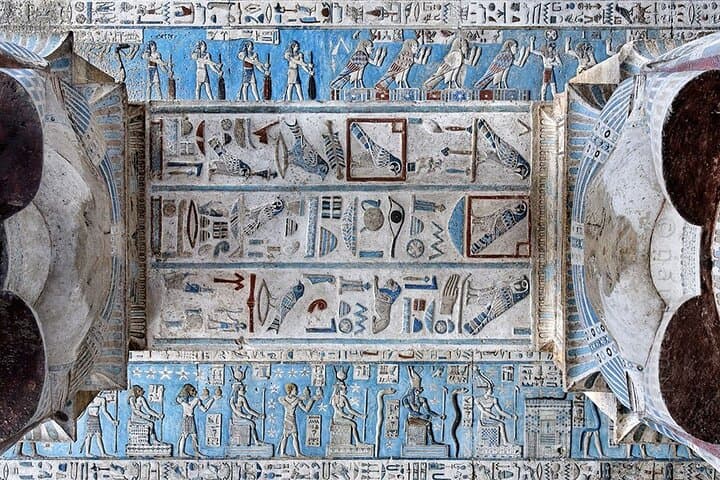
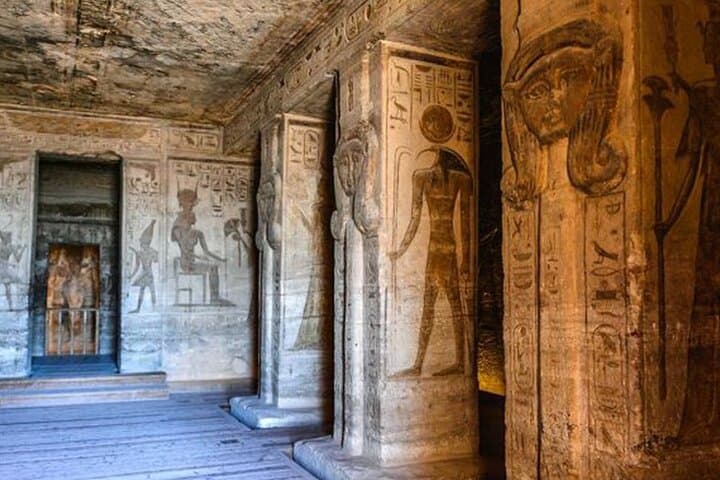
Culturally, Dendera offers a quieter counterpoint to Luxor’s tourist pulse: local craftsmen, small vendors and a modest site museum reveal the day-to-day life around a major cult center. Expect to spend most of the visit below shoulder height inside colonnades, craning your neck at painted ceilings and inspecting hieroglyphic bands that name pharaohs and emperors alike.
Practical guidance: plan a morning pickup to avoid heat, carry sun protection and slip-resistant shoes for worn stone and steps. Photography is allowed in most outdoor areas but check with your guide for restrictions inside sanctuaries. The site is compact — a focused 1–2 hour walk — but uneven, so allow time and take water breaks. Your private guide will handle tickets, transfers and context, leaving you to absorb the carvings rather than the logistics.
easy.
4–5 hours.
Suitable for travelers in typical walking condition; involves short walks and some stairs on uneven stone.
Yes—entry/admission to the Dendera Temple Complex is included and your Egyptologist will handle tickets.
Yes—this private tour includes pickup and drop-off from Luxor hotels or Nile cruises by A/C vehicle.
The original zodiac bas-relief was removed in the 19th century and taken to the Louvre; the temple still displays the zodiac motif on its ceiling and related carvings.
The temple grounds are relatively compact but have uneven surfaces and steps; travelers with mobility concerns should contact the operator to discuss access and pickup logistics.
Dendera’s main temple complex was largely built under the Ptolemaic dynasty with later Roman-era additions; it became an important cult center for Hathor into late antiquity.
Conservation efforts focus on stabilizing painted ceilings and limiting wear from visitors; follow pathways and avoid touching painted surfaces to help preserve the site.
Icon Tours Egypt operates guided outdoor trips and adventures with an emphasis on safety, stewardship, and memorable experiences.
Early light on the desert plain makes the low reliefs of Dendera catch like a coin; the Nile unwinds nearby, patient and slow, daring the traveler to slow down too.
Early light on the desert plain makes the low reliefs of Dendera catch like a coin; the Nile unwinds nearby, patient and slow, daring the traveler to slow down too.
On this private half-day, an Egyptologist leads visitors across the temple complex dedicated to Hathor — goddess of music, joy and motherhood — where painted columns and the famous zodiac ceiling hold court above a compact, layered site. The architecture visible today is largely Ptolemaic with Roman-era additions; in stone you can read the late-pharaonic attempts to reconcile native iconography with imperial portraiture. The temple sits on the Nile floodplain, built on compacted alluvium and mud-brick foundations that explain the horizontal layout and low step terraces.
Culturally, Dendera offers a quieter counterpoint to Luxor’s tourist pulse: local craftsmen, small vendors and a modest site museum reveal the day-to-day life around a major cult center. Expect to spend most of the visit below shoulder height inside colonnades, craning your neck at painted ceilings and inspecting hieroglyphic bands that name pharaohs and emperors alike.
Practical guidance: plan a morning pickup to avoid heat, carry sun protection and slip-resistant shoes for worn stone and steps. Photography is allowed in most outdoor areas but check with your guide for restrictions inside sanctuaries. The site is compact — a focused 1–2 hour walk — but uneven, so allow time and take water breaks. Your private guide will handle tickets, transfers and context, leaving you to absorb the carvings rather than the logistics.