THE ADVENTURE COLLECTIVE® · Independent discovery and booking for outdoor travel

Drive an hour northwest from Ho Chi Minh City into the quiet fields that hide the Cu Chi Tunnels. This private half-day tour offers guided access to restored tunnel sections, a shooting range option, and insight into wartime ingenuity with hotel pickup included.
Drive an hour northwest from Ho Chi Minh City into the quiet fields that hide the Cu Chi Tunnels. This private half-day tour offers guided access to restored tunnel sections, a shooting range option, and insight into wartime ingenuity with hotel pickup included.
A heat-hummed road peels away from central Saigon and, after an hour’s drive, opens onto flat fields, rubber trees, and the low, earth-mounded entrances to the Cu Chi Tunnels. The air here carries the scent of wet soil and wood smoke; the tunnels themselves sit half-hidden, patient and narrow, inviting a careful, hands-on look at an engineered underground world.
Verified experiences and guided adventures in the surrounding area.
Operated by Local Tours Around Viet Nam · Ho Chi Minh City, Ho Chi Minh
A heat-hummed road peels away from central Saigon and, after an hour’s drive, opens onto flat fields, rubber trees, and the low, earth-mounded entrances to the Cu Chi Tunnels. The air here carries the scent of wet soil and wood smoke; the tunnels themselves sit half-hidden, patient and narrow, inviting a careful, hands-on look at an engineered underground world.
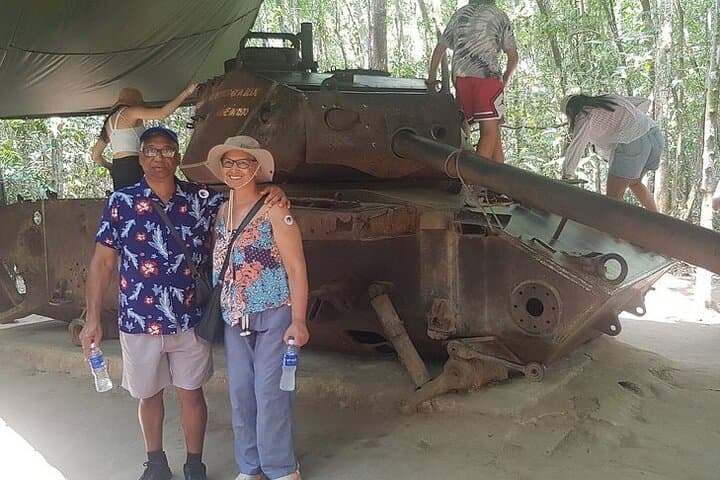
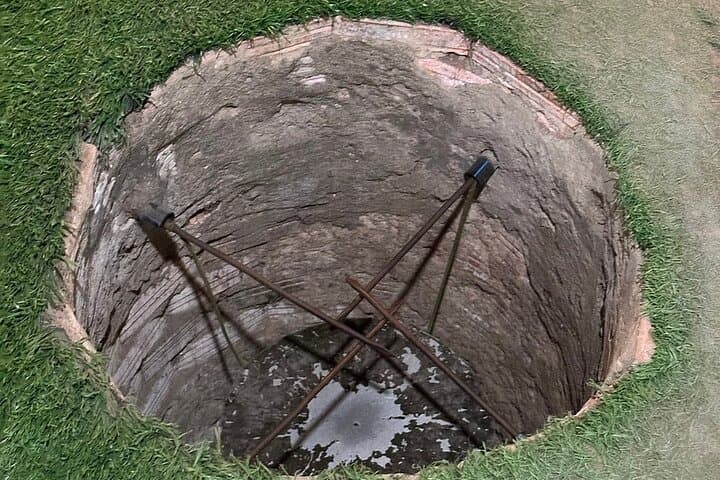
The Cu Chi network—over 220 km of dugways clustered around the district northwest of Ho Chi Minh City—was a lifeline for Viet Cong fighters during the Vietnam War. Visitors pass through restored sections where narrow crawlspaces, hidden trapdoors and improvised kitchens reveal everyday wartime logistics. The surrounding landscape of rubber plantations and small farms explains why the tunnels were both strategic and sustainable: the soil is soft, easy to work, and the fields offered cover.
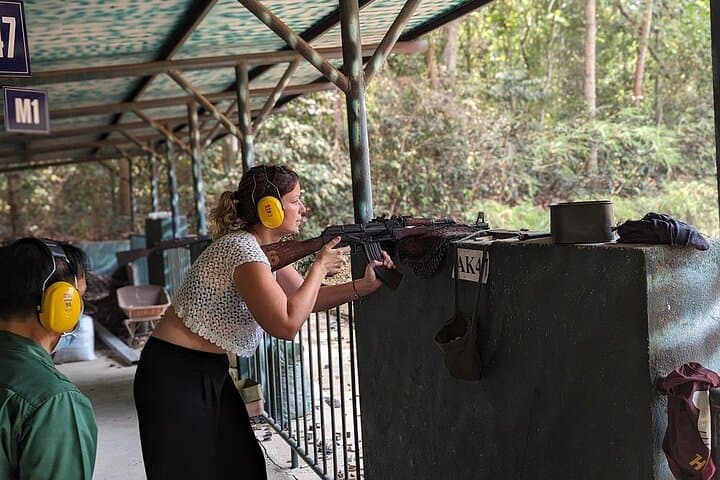
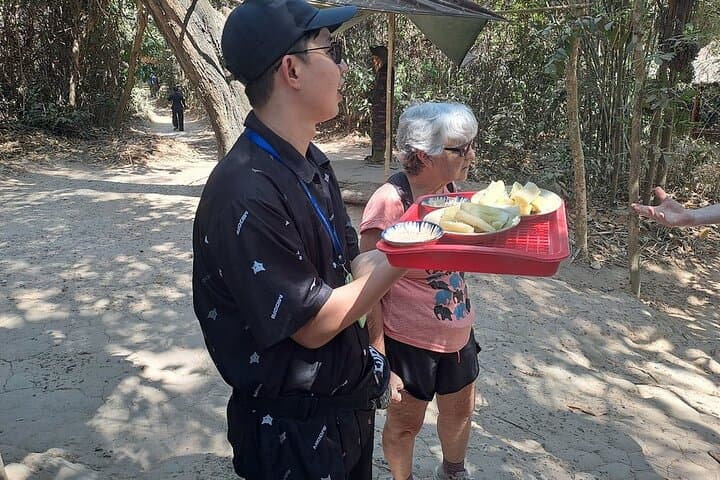
Culturally, the site is presented as a living museum; guides explain tunnel tactics and local wartime resilience while vendors nearby sell grilled cassava and simple village dishes that echo soldiers’ rations. Practical elements of the half-day private tour include air-conditioned transfer from the city, an English-speaking guide, entry fees and a chance to try the on-site shooting range or sample local food.
Plan for close-quarters movement and warm weather: wear sturdy closed-toe shoes and lightweight long sleeves, bring water and sun protection, and keep camera use respectful around restorations. The visit is compact—about six hours including transit—and balances history with the tangible feel of the countryside, making it a focused, accessible excursion from Ho Chi Minh City.
moderate.
6 hours.
Suitable for most people with basic mobility; expect short walks, some crouching and low, narrow tunnel sections
The itinerary is approximately six hours total, including pickup from central Ho Chi Minh City, the guided visit to the tunnels and return transfer.
No—restored display tunnels include an accessible walking section, and guides can show the tunnels from the surface for those who prefer not to stoop or crawl.
The shooting range is an optional activity on many Cu Chi tours; safety instructions and choice to participate are provided on site.
Yes—this private tour includes hotel pickup and drop-off from central Ho Chi Minh City as noted in the inclusions.
The Cu Chi tunnels are part of an extensive underground network—over 220 km—used by Viet Cong forces during the Vietnam War for movement, supply and shelter.
Site managers balance visitor access with preservation by restoring specific tunnel sections and routing foot traffic; visitors should avoid touching fragile structures and support local vendors to keep tourism sustainable.
Local Tours Around Viet Nam operates guided outdoor trips and adventures with an emphasis on safety, stewardship, and memorable experiences.
A heat-hummed road peels away from central Saigon and, after an hour’s drive, opens onto flat fields, rubber trees, and the low, earth-mounded entrances to the Cu Chi Tunnels. The air here carries the scent of wet soil and wood smoke; the tunnels themselves sit half-hidden, patient and narrow, inviting a careful, hands-on look at an engineered underground world.
A heat-hummed road peels away from central Saigon and, after an hour’s drive, opens onto flat fields, rubber trees, and the low, earth-mounded entrances to the Cu Chi Tunnels. The air here carries the scent of wet soil and wood smoke; the tunnels themselves sit half-hidden, patient and narrow, inviting a careful, hands-on look at an engineered underground world.
The Cu Chi network—over 220 km of dugways clustered around the district northwest of Ho Chi Minh City—was a lifeline for Viet Cong fighters during the Vietnam War. Visitors pass through restored sections where narrow crawlspaces, hidden trapdoors and improvised kitchens reveal everyday wartime logistics. The surrounding landscape of rubber plantations and small farms explains why the tunnels were both strategic and sustainable: the soil is soft, easy to work, and the fields offered cover.
Culturally, the site is presented as a living museum; guides explain tunnel tactics and local wartime resilience while vendors nearby sell grilled cassava and simple village dishes that echo soldiers’ rations. Practical elements of the half-day private tour include air-conditioned transfer from the city, an English-speaking guide, entry fees and a chance to try the on-site shooting range or sample local food.
Plan for close-quarters movement and warm weather: wear sturdy closed-toe shoes and lightweight long sleeves, bring water and sun protection, and keep camera use respectful around restorations. The visit is compact—about six hours including transit—and balances history with the tangible feel of the countryside, making it a focused, accessible excursion from Ho Chi Minh City.