THE ADVENTURE COLLECTIVE® · Independent discovery and booking for outdoor travel

Spend five efficient hours exploring Colombo’s museums, independence monuments, lakeside temples and colonial landmarks. This private half‑day tour pairs guided context with short walks and city drives—ideal for first‑time visitors.
Spend five efficient hours exploring Colombo’s museums, independence monuments, lakeside temples and colonial landmarks. This private half‑day tour pairs guided context with short walks and city drives—ideal for first‑time visitors.
A small convoy pulls away from a Colombo hotel and the city immediately asserts itself: a rhythm of tuk‑tuks, sea breeze carrying salt from the Indian Ocean, and Beira Lake reflecting a line of palms and temple roofs. Over five hours the tour threads between civic plazas, colonial facades and quiet temple platforms, giving a concentrated view of the capital’s public life.
Verified experiences and guided adventures in the surrounding area.
Operated by Mam Holidays · Colombo, Western Province
A small convoy pulls away from a Colombo hotel and the city immediately asserts itself: a rhythm of tuk‑tuks, sea breeze carrying salt from the Indian Ocean, and Beira Lake reflecting a line of palms and temple roofs. Over five hours the tour threads between civic plazas, colonial facades and quiet temple platforms, giving a concentrated view of the capital’s public life.
Colombo’s streets are layers of history — Portuguese and Dutch trading posts followed by British civic architecture. The National Museum preserves antiquities from the island’s kingdoms, while Independence Memorial Hall marks Sri Lanka’s 1948 break from colonial rule. Geologically the city sits on a low coastal plain with reclaimed land around the harbor; Beira Lake and the sea shape Colombo’s microclimate and the placement of many civic buildings.
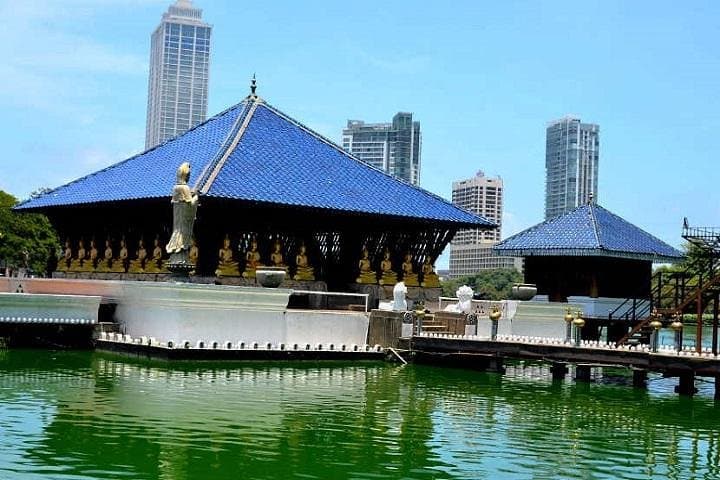
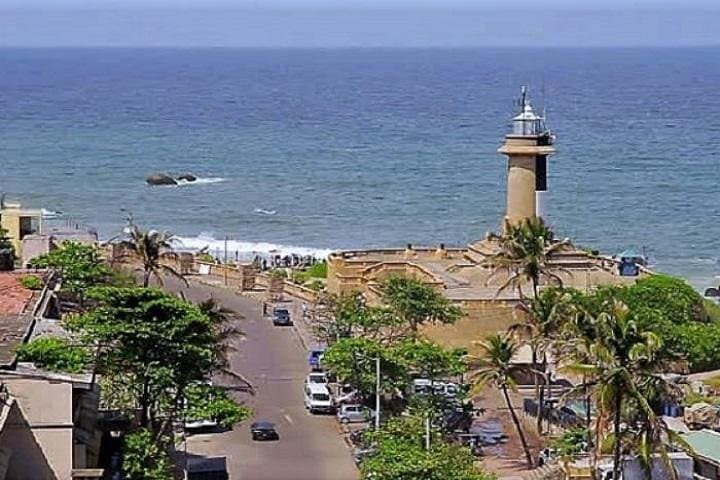
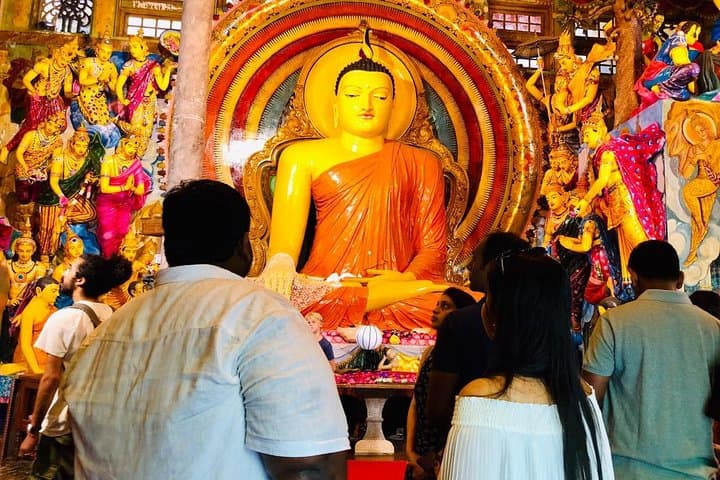
Cultural highlights include Gangaramaya Temple’s eclectic collection of votive offerings and the serene Seema Malakaya pavilion by Geoffrey Bawa, which demonstrates modern Sri Lankan design interacting with Buddhist ritual. The Bandaranaike Memorial International Conference Hall (BMICH) and the Lighthouse by the port show mid‑20th century civic ambition.
Practically, this is an easy walking and short‑drive half‑day suitable for most travelers. Visitors should wear respectful temple attire (shoulders and knees covered), carry sun protection and a modest water bottle, and expect short walks and photo stops rather than long hikes. Mornings are cooler and less humid; late afternoons bring stronger sea breezes and traffic. Guides handle entry logistics—bring loose change for small donations and be prepared to remove shoes at temple thresholds. The tour is compact but gives a clear primer on Colombo’s civic, religious and coastal character.
easy.
5 hours.
Suitable for most fitness levels; involves short walks and standing during museum or temple stops.
Yes; the tour includes private pickup from centrally located Colombo hotels and Colombo Port as stated in the itinerary.
The itinerary shows admission included for listed attractions, but confirm with your operator if there are any optional paid sites on the day.
The tour is listed as suitable for all physical fitness levels; infants must sit on an adult’s lap during transfer vehicles.
Dress modestly, remove shoes before entering shrine areas, avoid loud behavior or flash photography during ceremonies, and follow any instructions from temple staff or your guide.
Colombo’s built fabric reflects successive colonial powers and the island’s 1948 independence; landmarks like the National Museum and Independence Memorial Hall narrate that transition.
Beira Lake and coastal areas face urban runoff and development pressure—minimize single‑use plastics, respect signage, and follow your guide’s directions to limit impact.
Mam Holidays operates guided outdoor trips and adventures with an emphasis on safety, stewardship, and memorable experiences.
A small convoy pulls away from a Colombo hotel and the city immediately asserts itself: a rhythm of tuk‑tuks, sea breeze carrying salt from the Indian Ocean, and Beira Lake reflecting a line of palms and temple roofs. Over five hours the tour threads between civic plazas, colonial facades and quiet temple platforms, giving a concentrated view of the capital’s public life.
A small convoy pulls away from a Colombo hotel and the city immediately asserts itself: a rhythm of tuk‑tuks, sea breeze carrying salt from the Indian Ocean, and Beira Lake reflecting a line of palms and temple roofs. Over five hours the tour threads between civic plazas, colonial facades and quiet temple platforms, giving a concentrated view of the capital’s public life.
Colombo’s streets are layers of history — Portuguese and Dutch trading posts followed by British civic architecture. The National Museum preserves antiquities from the island’s kingdoms, while Independence Memorial Hall marks Sri Lanka’s 1948 break from colonial rule. Geologically the city sits on a low coastal plain with reclaimed land around the harbor; Beira Lake and the sea shape Colombo’s microclimate and the placement of many civic buildings.
Cultural highlights include Gangaramaya Temple’s eclectic collection of votive offerings and the serene Seema Malakaya pavilion by Geoffrey Bawa, which demonstrates modern Sri Lankan design interacting with Buddhist ritual. The Bandaranaike Memorial International Conference Hall (BMICH) and the Lighthouse by the port show mid‑20th century civic ambition.
Practically, this is an easy walking and short‑drive half‑day suitable for most travelers. Visitors should wear respectful temple attire (shoulders and knees covered), carry sun protection and a modest water bottle, and expect short walks and photo stops rather than long hikes. Mornings are cooler and less humid; late afternoons bring stronger sea breezes and traffic. Guides handle entry logistics—bring loose change for small donations and be prepared to remove shoes at temple thresholds. The tour is compact but gives a clear primer on Colombo’s civic, religious and coastal character.