THE ADVENTURE COLLECTIVE® · Independent discovery and booking for outdoor travel

Spend four curated hours moving from Jumeirah’s shore to the alleys of Al Fahidi, crossing Dubai Creek by abra and browsing the gold and spice souks. This private tour pairs historical context with photo-ready stops and practical local insights.
Spend four curated hours moving from Jumeirah’s shore to the alleys of Al Fahidi, crossing Dubai Creek by abra and browsing the gold and spice souks. This private tour pairs historical context with photo-ready stops and practical local insights.
You peel away from a palm-lined avenue and the heat-softened Gulf opens up: the Burj Al Arab’s sail pierces the skyline while the sea edges toward the shore like a patient guide. Your private vehicle glides past Jumeirah’s low-rise villas, then narrows into the Al Fahidi quarter where wind-tower houses cast long, patterned shadows and the alleys smell faintly of coffee and oud.
Verified experiences and guided adventures in the surrounding area.
Operated by Tour Travel & More · Dubai, Dubai
You peel away from a palm-lined avenue and the heat-softened Gulf opens up: the Burj Al Arab’s sail pierces the skyline while the sea edges toward the shore like a patient guide. Your private vehicle glides past Jumeirah’s low-rise villas, then narrows into the Al Fahidi quarter where wind-tower houses cast long, patterned shadows and the alleys smell faintly of coffee and oud.
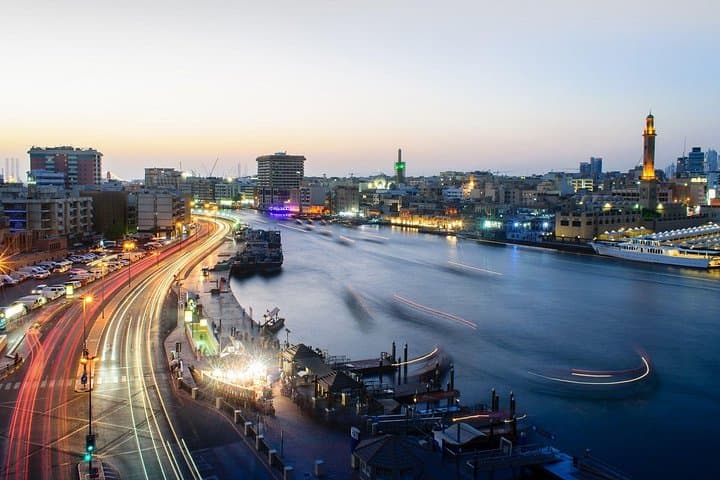
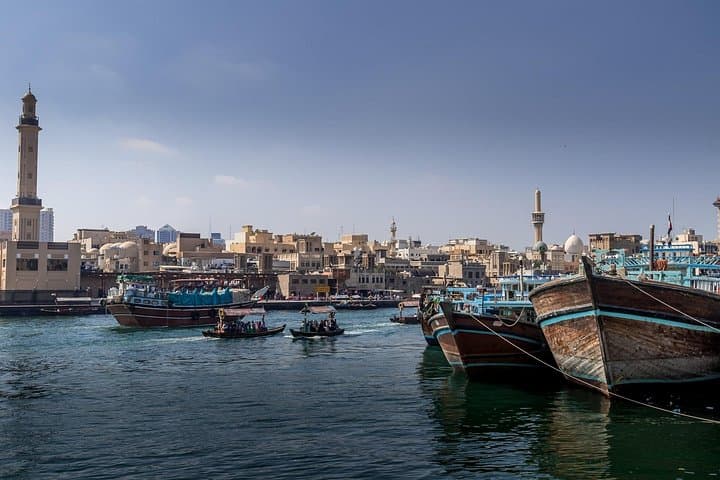
The city you see is recent—a fast-grown emirate built on pearl-diving, fishing and Creek trade. Dubai Creek was the artery that moved dhows, dates and spices; Al Fahidi (Al Bastakiya) preserves that pre-oil urban grain with narrow lanes and limestone walls. The Al Fahidi Fort, now the Dubai Museum, outlines how settlement, trade and the desert climate shaped Emirati life. Culture here mixes Bedouin heritage, Persian merchant architecture, and a 20th-century boom that turned sand into glass and steel.
Practically: expect a paced four-hour loop—photo stops at Jumeirah Beach, a walking segment through Al Fahidi, time in the museum, an abra across the Creek and browsing in the Gold and Spice souks. Dress conservatively at religious sites (shoulders and knees covered), carry small change for souk purchases, and pick morning or late afternoon to avoid high heat. Your private guide handles logistics and entrances; bring sunscreen, comfortable shoes and a reusable water bottle to keep moving.
This half-day tour is compact but layered: architecture and markets press against modernity, and a few hours deliver a clear primer on what made Dubai what it is today.
easy.
4 hours.
Suitable for most fitness levels; includes short walks and standing in markets and museum galleries.
Yes—private pickup from a central Dubai hotel or designated address is included; confirm your exact pickup point when booking.
Entrance to Al Fahidi Fort (Dubai Museum) is included; the traditional abra crossing is part of the itinerary and handled by your guide.
The tour lists wheelchair-accessible options, but some historic alleys and museum areas may have uneven surfaces—confirm requirements at booking.
This is a private tour, so timing and stops can often be adjusted within the four-hour window—discuss priorities with your guide before departure.
Dubai grew from a 19th-century fishing and pearling community centered on Dubai Creek; the museum and Bastakiya neighborhood preserve that pre-oil urban fabric.
Tour operators are increasingly promoting responsible visits—minimize plastic waste, respect local customs, and avoid disturbing historic fabric in Al Fahidi.
Tour Travel & More operates guided outdoor trips and adventures with an emphasis on safety, stewardship, and memorable experiences.
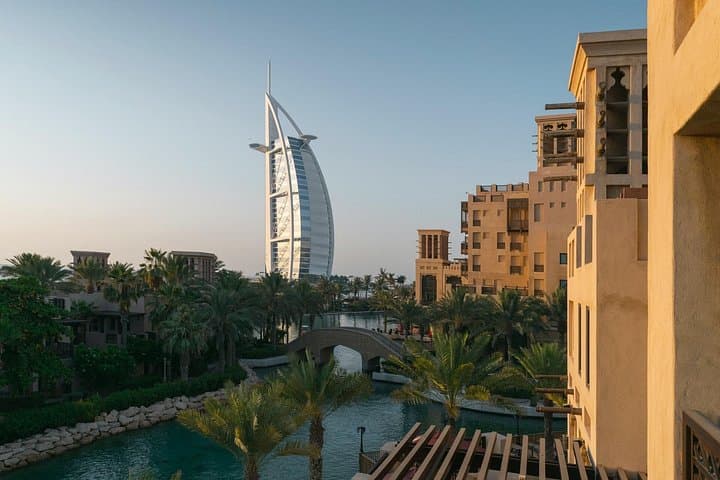
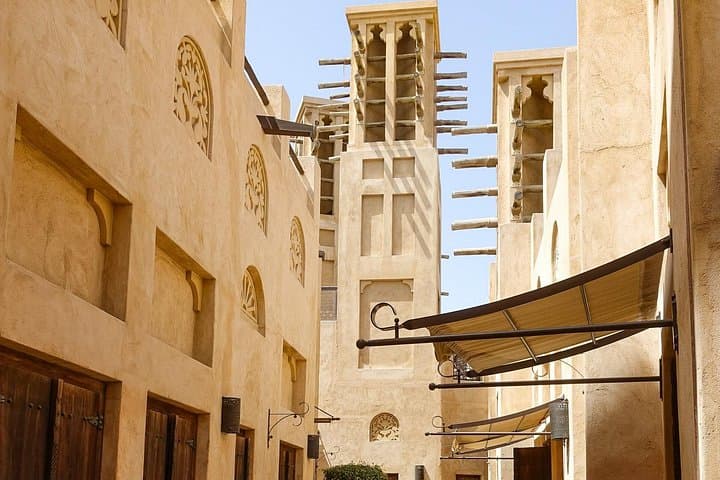
You peel away from a palm-lined avenue and the heat-softened Gulf opens up: the Burj Al Arab’s sail pierces the skyline while the sea edges toward the shore like a patient guide. Your private vehicle glides past Jumeirah’s low-rise villas, then narrows into the Al Fahidi quarter where wind-tower houses cast long, patterned shadows and the alleys smell faintly of coffee and oud.
You peel away from a palm-lined avenue and the heat-softened Gulf opens up: the Burj Al Arab’s sail pierces the skyline while the sea edges toward the shore like a patient guide. Your private vehicle glides past Jumeirah’s low-rise villas, then narrows into the Al Fahidi quarter where wind-tower houses cast long, patterned shadows and the alleys smell faintly of coffee and oud.
The city you see is recent—a fast-grown emirate built on pearl-diving, fishing and Creek trade. Dubai Creek was the artery that moved dhows, dates and spices; Al Fahidi (Al Bastakiya) preserves that pre-oil urban grain with narrow lanes and limestone walls. The Al Fahidi Fort, now the Dubai Museum, outlines how settlement, trade and the desert climate shaped Emirati life. Culture here mixes Bedouin heritage, Persian merchant architecture, and a 20th-century boom that turned sand into glass and steel.
Practically: expect a paced four-hour loop—photo stops at Jumeirah Beach, a walking segment through Al Fahidi, time in the museum, an abra across the Creek and browsing in the Gold and Spice souks. Dress conservatively at religious sites (shoulders and knees covered), carry small change for souk purchases, and pick morning or late afternoon to avoid high heat. Your private guide handles logistics and entrances; bring sunscreen, comfortable shoes and a reusable water bottle to keep moving.
This half-day tour is compact but layered: architecture and markets press against modernity, and a few hours deliver a clear primer on what made Dubai what it is today.