THE ADVENTURE COLLECTIVE® · Independent discovery and booking for outdoor travel

Explore Chicago’s downtown in three hours: public art at Millennium Park, the Loop’s civic landmarks, a stroll down the Magnificent Mile, and a full hour at 360 CHICAGO for sweeping skyline views. This private half-day pairs local stories with practical routing for urban explorers.
Explore Chicago’s downtown in three hours: public art at Millennium Park, the Loop’s civic landmarks, a stroll down the Magnificent Mile, and a full hour at 360 CHICAGO for sweeping skyline views. This private half-day pairs local stories with practical routing for urban explorers.
You step out at the Crown Fountain, cool stone underfoot and the city’s glass and masonry rising like a map of competing ambitions. The guide folds the city into stories — industrial grit, architectural rivalry, and neighborhoods that stitched themselves back together after the Great Chicago Fire — and you move, on foot and by short drives, through the downtown that grows louder the closer you get to the lake.
Verified experiences and guided adventures in the surrounding area.
Operated by Travel Curious · Chicago, Illinois
You step out at the Crown Fountain, cool stone underfoot and the city’s glass and masonry rising like a map of competing ambitions. The guide folds the city into stories — industrial grit, architectural rivalry, and neighborhoods that stitched themselves back together after the Great Chicago Fire — and you move, on foot and by short drives, through the downtown that grows louder the closer you get to the lake.
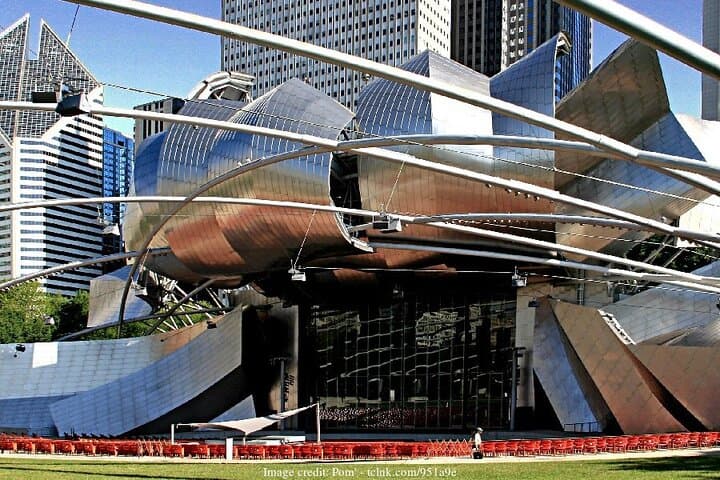
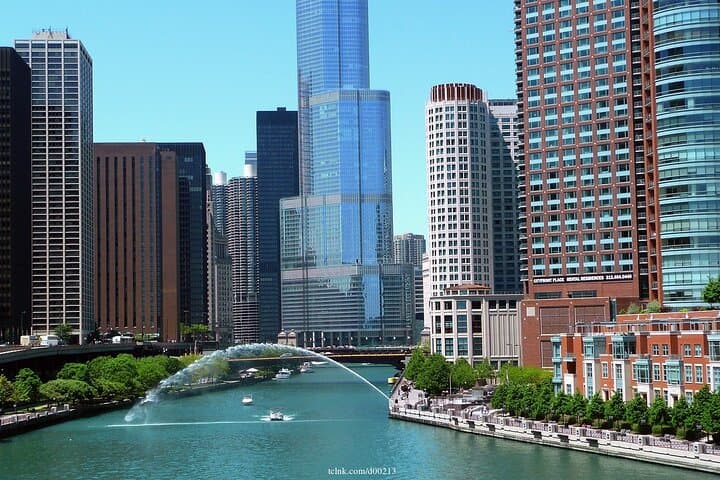
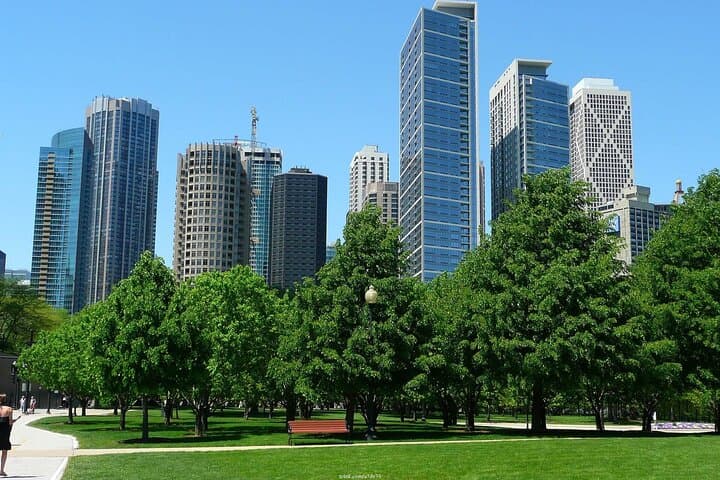
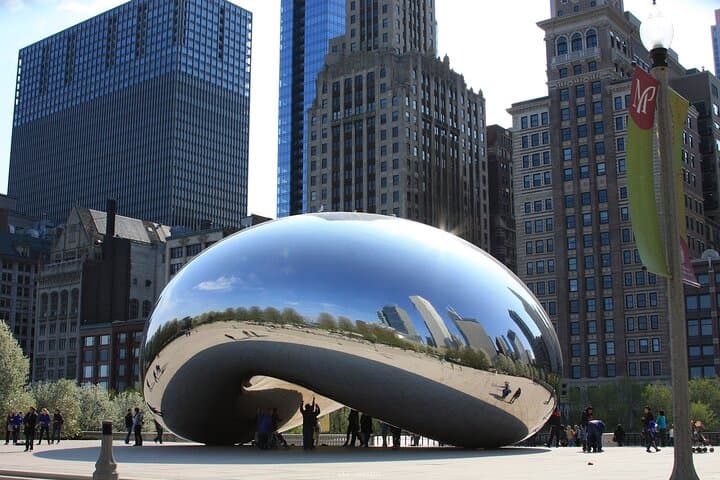
The route threads Millennium Park’s public art and open lawns, the Loop’s civic plazas and movable bridges over the Chicago River, and a stroll down the Magnificent Mile where retail and ornament compete for attention. The final act is 360 CHICAGO atop the John Hancock Center — a 41st-floor observation deck that gives you a panoramic reading of the lakefront, river cuts, and the pattern of streets that made this city a transportation hub.
Historically, these blocks tell Chicago’s reinvention story: 19th-century rebuilding, early-20th-century commercial growth, and late-century modernism in steel and glass. Geologically the lakefront is a recent shoreline, a flat plain that allowed broad boulevards and monumental setbacks.
Practical guide: plan this as a three-hour private walk-and-ride tour with city-level walking (paved sidewalks, some stair access at bridges). Bring layered clothing for wind off Lake Michigan, comfortable walking shoes, and time your visit late afternoon for shifting light over the skyline. Public transit is convenient; the tour is wheelchair-accessible with advance notice. Expect plenty of photo stops, one hour to enjoy the observation deck at leisure, and local stories that give context to what you’re seeing — not just monuments, but how Chicago keeps reinventing itself.
moderate.
3 hours.
Moderate—able to stand and walk for multiple short segments and climb a few stairs; not strenuous.
The tour lasts about three hours with roughly 1–2 miles of mostly flat walking, interspersed with short vehicle transfers.
Yes—the tour includes admission to the Hancock Tower observation deck and you’ll have one hour there at your own pace.
The tour notes wheelchair accessibility; inform the operator of mobility needs when booking so they can accommodate logistics.
The guide meets at Crown Fountain in Millennium Park and the tour ends at the Hancock Tower where you’ll enjoy the observation deck.
The Loop and lakefront reflect Chicago’s rapid post-1871 rebuilding and 20th-century commercial expansion; the John Hancock Center opened in 1969 and redefined the skyline.
Millennium Park and Riverwalk are part of ongoing urban greening and river-cleanup efforts—stay on paths and pack out waste to protect habitat.
Travel Curious operates guided outdoor trips and adventures with an emphasis on safety, stewardship, and memorable experiences.
You step out at the Crown Fountain, cool stone underfoot and the city’s glass and masonry rising like a map of competing ambitions. The guide folds the city into stories — industrial grit, architectural rivalry, and neighborhoods that stitched themselves back together after the Great Chicago Fire — and you move, on foot and by short drives, through the downtown that grows louder the closer you get to the lake.
You step out at the Crown Fountain, cool stone underfoot and the city’s glass and masonry rising like a map of competing ambitions. The guide folds the city into stories — industrial grit, architectural rivalry, and neighborhoods that stitched themselves back together after the Great Chicago Fire — and you move, on foot and by short drives, through the downtown that grows louder the closer you get to the lake.
The route threads Millennium Park’s public art and open lawns, the Loop’s civic plazas and movable bridges over the Chicago River, and a stroll down the Magnificent Mile where retail and ornament compete for attention. The final act is 360 CHICAGO atop the John Hancock Center — a 41st-floor observation deck that gives you a panoramic reading of the lakefront, river cuts, and the pattern of streets that made this city a transportation hub.
Historically, these blocks tell Chicago’s reinvention story: 19th-century rebuilding, early-20th-century commercial growth, and late-century modernism in steel and glass. Geologically the lakefront is a recent shoreline, a flat plain that allowed broad boulevards and monumental setbacks.
Practical guide: plan this as a three-hour private walk-and-ride tour with city-level walking (paved sidewalks, some stair access at bridges). Bring layered clothing for wind off Lake Michigan, comfortable walking shoes, and time your visit late afternoon for shifting light over the skyline. Public transit is convenient; the tour is wheelchair-accessible with advance notice. Expect plenty of photo stops, one hour to enjoy the observation deck at leisure, and local stories that give context to what you’re seeing — not just monuments, but how Chicago keeps reinventing itself.