THE ADVENTURE COLLECTIVE® · Independent discovery and booking for outdoor travel

Spend a focused half-day exploring Aberdeenshire’s most striking castles — from Dunnottar’s cliff-top ruins to Crathes’ 16th-century stonework. This private tour moves efficiently between sites and can be tailored to interiors, gardens, or coastal views.
Spend a focused half-day exploring Aberdeenshire’s most striking castles — from Dunnottar’s cliff-top ruins to Crathes’ 16th-century stonework. This private tour moves efficiently between sites and can be tailored to interiors, gardens, or coastal views.
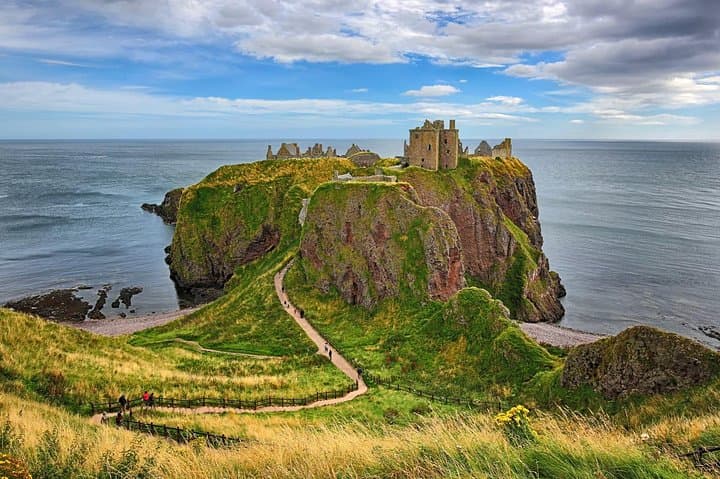
A chill North Sea wind pushes across the headland as you step from the minivan onto the path toward a ruined keep teetering on sheer rock. The salt and slate of the coastline at Dunnottar meet manicured walled gardens and dark stone turrets inland — a short half-day that moves fast but leaves a lasting impression.
Verified experiences and guided adventures in the surrounding area.
Operated by Time Exposure Travel · Aberdeen, Aberdeenshire
A chill North Sea wind pushes across the headland as you step from the minivan onto the path toward a ruined keep teetering on sheer rock. The salt and slate of the coastline at Dunnottar meet manicured walled gardens and dark stone turrets inland — a short half-day that moves fast but leaves a lasting impression.
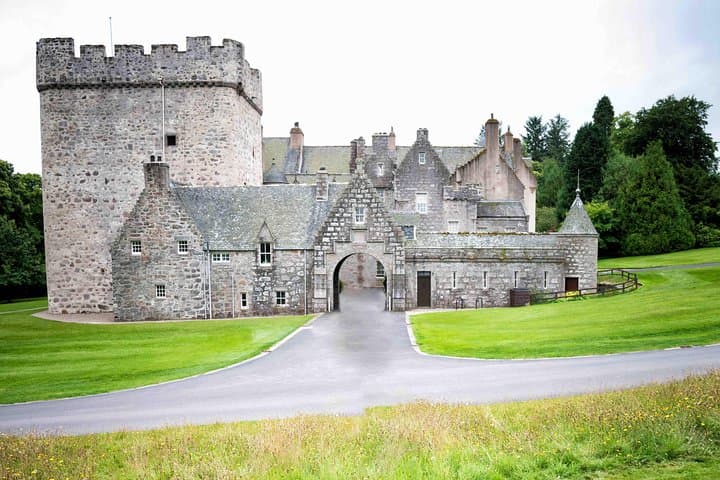
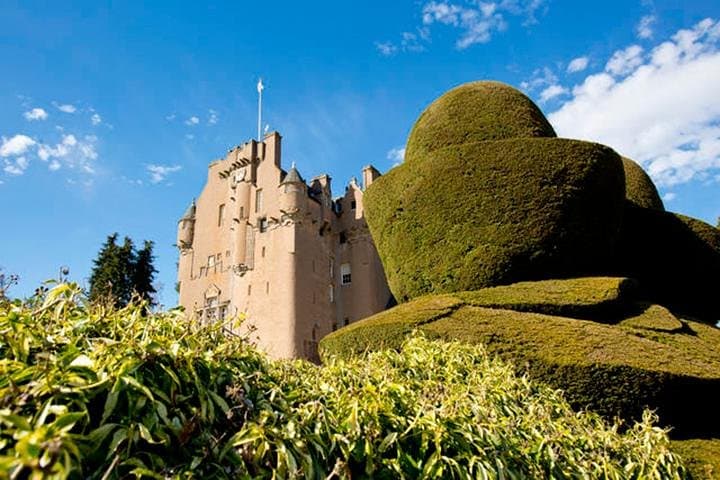
These castles span centuries: Dunnottar’s medieval battlements defend a dramatic promontory, Drum’s origins tie back to the age of Robert the Bruce, and Crathes shows 16th-century stonework and later garden landscaping shaped by estate culture on Royal Deeside. Geology matters here — granite outcrops of Aberdeenshire form the hard backbone of the coast while the River Dee carved a gentler corridor inland used by nobility and trade.
Local culture blends coastal fishing towns like Stonehaven with Deeside estates and working farmland; expect a mix of tourist-friendly sites and quiet estate lanes. Many grounds are free to view; interiors follow seasonal hours and separate admission.
Practical guidance: plan for 3–4 hours including drives between sites; bring waterproof layers and sturdy shoes for uneven paths and exposed clifftops. If interior access matters, check opening times and book in advance. Photography is rewarding at both sunrise light on granite and the formal gardens’ structure; aim for morning or late afternoon to avoid mid-day crowds. Because this is a private tour, you can prioritize interiors, gardens, or the dramatic coastal approach — tell your guide if mobility or special interests need accommodation.
easy.
3–4 hours.
Suitable for most fitness levels; involves short walks and some uneven ground.
The private half-day tour is about 3.5 hours and commonly visits Dunnottar, Drum, and Crathes, but the itinerary can be customized at booking.
Most castle grounds are free to view externally; interior access usually requires separate admission and depends on seasonal opening times.
Yes — the tour is listed as stroller accessible for short walks, though some sites have uneven terrain and steps that may restrict access.
Yes — it is a private tour and can be tailored; notify the operator about mobility requirements when booking so they can plan accessible stops.
The castles along this route span medieval fortifications to 16th-century tower houses and were shaped by both conflict and estate-building across centuries.
Coastal erosion and sensitive garden ecosystems mean visitors should stick to paths, avoid cliff edges, and respect managed gardens and wildlife areas.
Time Exposure Travel operates guided outdoor trips and adventures with an emphasis on safety, stewardship, and memorable experiences.

A chill North Sea wind pushes across the headland as you step from the minivan onto the path toward a ruined keep teetering on sheer rock. The salt and slate of the coastline at Dunnottar meet manicured walled gardens and dark stone turrets inland — a short half-day that moves fast but leaves a lasting impression.
A chill North Sea wind pushes across the headland as you step from the minivan onto the path toward a ruined keep teetering on sheer rock. The salt and slate of the coastline at Dunnottar meet manicured walled gardens and dark stone turrets inland — a short half-day that moves fast but leaves a lasting impression.
These castles span centuries: Dunnottar’s medieval battlements defend a dramatic promontory, Drum’s origins tie back to the age of Robert the Bruce, and Crathes shows 16th-century stonework and later garden landscaping shaped by estate culture on Royal Deeside. Geology matters here — granite outcrops of Aberdeenshire form the hard backbone of the coast while the River Dee carved a gentler corridor inland used by nobility and trade.
Local culture blends coastal fishing towns like Stonehaven with Deeside estates and working farmland; expect a mix of tourist-friendly sites and quiet estate lanes. Many grounds are free to view; interiors follow seasonal hours and separate admission.
Practical guidance: plan for 3–4 hours including drives between sites; bring waterproof layers and sturdy shoes for uneven paths and exposed clifftops. If interior access matters, check opening times and book in advance. Photography is rewarding at both sunrise light on granite and the formal gardens’ structure; aim for morning or late afternoon to avoid mid-day crowds. Because this is a private tour, you can prioritize interiors, gardens, or the dramatic coastal approach — tell your guide if mobility or special interests need accommodation.