THE ADVENTURE COLLECTIVE® · Independent discovery and booking for outdoor travel

Visit Budhanilkantha to see the colossal reclining Vishnu carved from a single block of black basalt. This private half‑day tour combines cultural insight, quiet temple rituals, and a short, easy outdoor visit at the Shivapuri foothills.
Visit Budhanilkantha to see the colossal reclining Vishnu carved from a single block of black basalt. This private half‑day tour combines cultural insight, quiet temple rituals, and a short, easy outdoor visit at the Shivapuri foothills.
Stand at the temple steps and the city’s noise slips away as the pond’s dark surface holds the image of a sleeping god. The five‑meter black basalt of Budhanilkantha—Vishnu reclining on the coils of the serpent Shesha—seems to float; sunlight catches the carved features, and pilgrims circle the edge performing morning puja.
Verified experiences and guided adventures in the surrounding area.
Operated by Himalayan Planet Adventures · Kathmandu, Bagmati Province
Stand at the temple steps and the city’s noise slips away as the pond’s dark surface holds the image of a sleeping god. The five‑meter black basalt of Budhanilkantha—Vishnu reclining on the coils of the serpent Shesha—seems to float; sunlight catches the carved features, and pilgrims circle the edge performing morning puja.
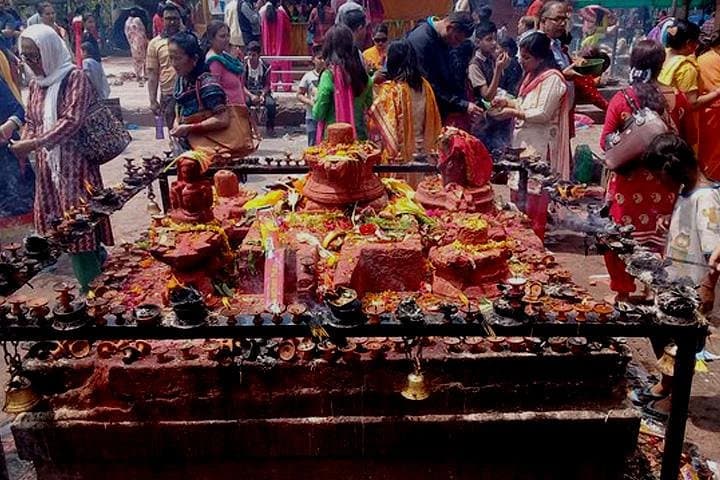
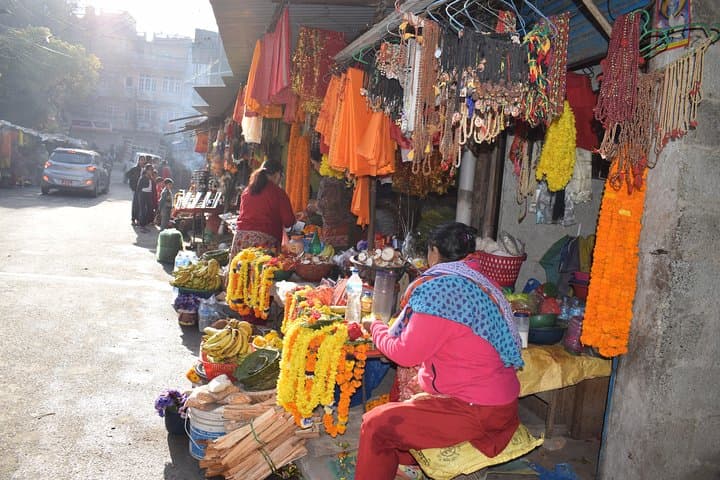
The statue dates back to the Licchavi era more than a millennium ago. Geologically the figure is carved from a single block of basalt, a dense volcanic rock not native to the Kathmandu Valley, which fuels the old mystery of how it arrived here. Culturally the site remains an active worship space: priests offer rituals, flowers, and small oil lamps, and the temple compound hosts vendors selling religious items and snacks.
Your private guide frames the iconography—Vishnu’s posture, the symbolism of the cosmic ocean, and local legends—while explaining contemporary practice and rules for visitors. The setting at the northern foothills of Shivapuri gives the place a quieter, less touristy atmosphere than central valley temples.
Practical details: the visit typically runs 2–3 hours including pickup; wear modest, comfortable clothing and remove shoes at the water’s edge. Expect brief walks across paved approaches and packed-earth paths; the site is suitable for most fitness levels. Bring water, a light layer for early morning or late afternoon breezes, and a respectful camera policy—photos are usually allowed but avoid interrupting worship. If you aim for softer light and fewer crowds, schedule the visit early morning on weekdays. The experience is part cultural history, part slow, contemplative outdoor visit—an accessible half‑day that pairs well with other Kathmandu valley sights.
easy.
2–3 hours.
Minimal walking on paved and packed-earth surfaces; suitable for most fitness levels
Photography of the statue and temple grounds is generally allowed, but avoid photographing priests or worshippers during puja without permission.
The tour is typically 2–3 hours including hotel pickup and drop‑off within Kathmandu’s ring road.
The site has steps and a paved approach; wheelchair access is limited—contact the operator ahead for specific accommodations.
Yes—visitors should remove shoes at the pond edge and wear modest clothing (shoulders and knees covered) out of respect.
Budhanilkantha’s reclining Vishnu dates to the Licchavi period over 1,000 years ago and is carved from a single basalt block whose origin is unknown.
Treat the sacred pond and grounds respectfully—avoid tossing non-biodegradable offerings into the water and do not feed wildlife; local groups monitor temple cleanliness.
Himalayan Planet Adventures operates guided outdoor trips and adventures with an emphasis on safety, stewardship, and memorable experiences.
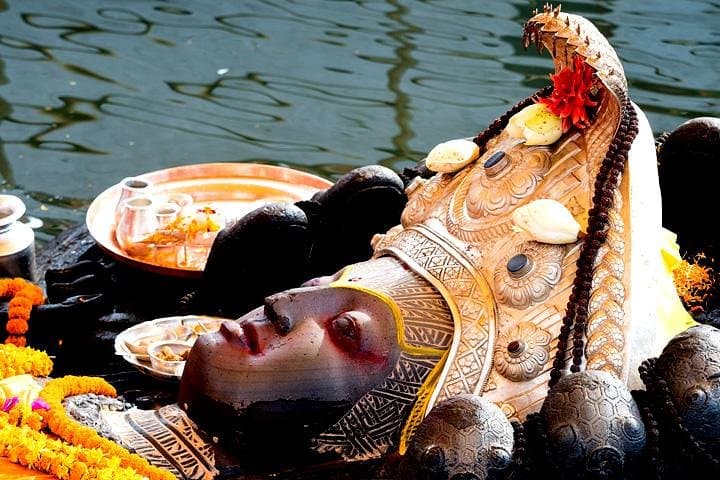
Stand at the temple steps and the city’s noise slips away as the pond’s dark surface holds the image of a sleeping god. The five‑meter black basalt of Budhanilkantha—Vishnu reclining on the coils of the serpent Shesha—seems to float; sunlight catches the carved features, and pilgrims circle the edge performing morning puja.
Stand at the temple steps and the city’s noise slips away as the pond’s dark surface holds the image of a sleeping god. The five‑meter black basalt of Budhanilkantha—Vishnu reclining on the coils of the serpent Shesha—seems to float; sunlight catches the carved features, and pilgrims circle the edge performing morning puja.
The statue dates back to the Licchavi era more than a millennium ago. Geologically the figure is carved from a single block of basalt, a dense volcanic rock not native to the Kathmandu Valley, which fuels the old mystery of how it arrived here. Culturally the site remains an active worship space: priests offer rituals, flowers, and small oil lamps, and the temple compound hosts vendors selling religious items and snacks.
Your private guide frames the iconography—Vishnu’s posture, the symbolism of the cosmic ocean, and local legends—while explaining contemporary practice and rules for visitors. The setting at the northern foothills of Shivapuri gives the place a quieter, less touristy atmosphere than central valley temples.
Practical details: the visit typically runs 2–3 hours including pickup; wear modest, comfortable clothing and remove shoes at the water’s edge. Expect brief walks across paved approaches and packed-earth paths; the site is suitable for most fitness levels. Bring water, a light layer for early morning or late afternoon breezes, and a respectful camera policy—photos are usually allowed but avoid interrupting worship. If you aim for softer light and fewer crowds, schedule the visit early morning on weekdays. The experience is part cultural history, part slow, contemplative outdoor visit—an accessible half‑day that pairs well with other Kathmandu valley sights.