THE ADVENTURE COLLECTIVE® · Independent discovery and booking for outdoor travel

See Angkor Wat, Bayon and Ta Prohm in a compact private half-day tour by air-conditioned car. Perfect for travelers who want efficient, comfortable transport between the temples while exploring each site on foot.
See Angkor Wat, Bayon and Ta Prohm in a compact private half-day tour by air-conditioned car. Perfect for travelers who want efficient, comfortable transport between the temples while exploring each site on foot.
You step from an air-conditioned vehicle and into a courtyard where stone faces and root-wrapped walls hold the heat of centuries. Morning light cuts across Angkor Wat’s outer moat, throwing shadow into bas-reliefs while the Bayon’s round faces watch as tourists move between galleries. At Ta Prohm the roots insist on being seen, draping galleries in living architecture.
Verified experiences and guided adventures in the surrounding area.
Operated by SmartRyde · Siem Reap, Siem Reap Province
You step from an air-conditioned vehicle and into a courtyard where stone faces and root-wrapped walls hold the heat of centuries. Morning light cuts across Angkor Wat’s outer moat, throwing shadow into bas-reliefs while the Bayon’s round faces watch as tourists move between galleries. At Ta Prohm the roots insist on being seen, draping galleries in living architecture.
The three temples on this half-day route span key chapters of Khmer history: Angkor Wat (12th century, Suryavarman II) as royal Hindu-to-Buddhist ceremonial center; Bayon’s 13th-century faces and everyday bas-reliefs; and Ta Prohm’s romantic collapse where silk-cotton and strangler figs thread through sandstone. The stones here are sandstone and laterite, soft to touch and vulnerable to weathering — a reason for careful, low-impact visits.
Culturally, the sites remain active places of devotion and national pride. The Angkor Archaeological Park is managed by the APSARA Authority, and visitor flow is regulated by timed entry passes.
Practicalities: this private four-hour tour uses a sedan, MPV, or van with a licensed driver who handles navigation and parking while you explore on foot. Distances between sites are several kilometers; expect 1–2 km of walking at each stop over mostly flat terrain with steps at temple entrances. Bring sun protection, refillable water, and modest clothing for shrine access. Arrive early for softer light and fewer crowds; late afternoons offer cooler temperatures but more visitors.
This format is ideal for travelers who want efficient access to Angkor’s highlights without coordinating tuk-tuks or schedules, but remember: respect restricted areas, follow signage, and leave no trace among these fragile stones.
easy.
4 hours.
Suitable for most fitness levels; involves short to moderate walks on uneven temple stones and occasional steps.
Yes. Entrance to Angkor Archaeological Park requires a valid Angkor pass (day or multi-day); you can buy it at the park entrance before your visit.
This product includes a private car and licensed driver only; guides are not included but can be arranged separately if you want historical interpretation.
Infants may ride in strollers and infant seats are available; drivers follow local regulations and infants are expected to sit on laps for vehicle seating.
The itinerary is fixed to four hours; overtime may incur extra fees—confirm pickup/drop-off details with the operator when booking.
Angkor Wat and neighboring temples were built and expanded between the 9th and 13th centuries by Khmer kings and later adapted from Hindu to Buddhist use.
The Angkor sites are managed to balance tourism and preservation—follow signage, avoid touching carvings, and use established paths to reduce wear.
SmartRyde operates guided outdoor trips and adventures with an emphasis on safety, stewardship, and memorable experiences.
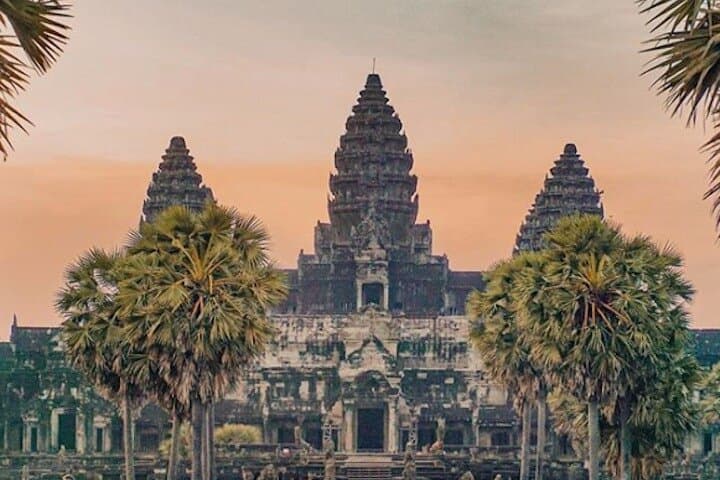
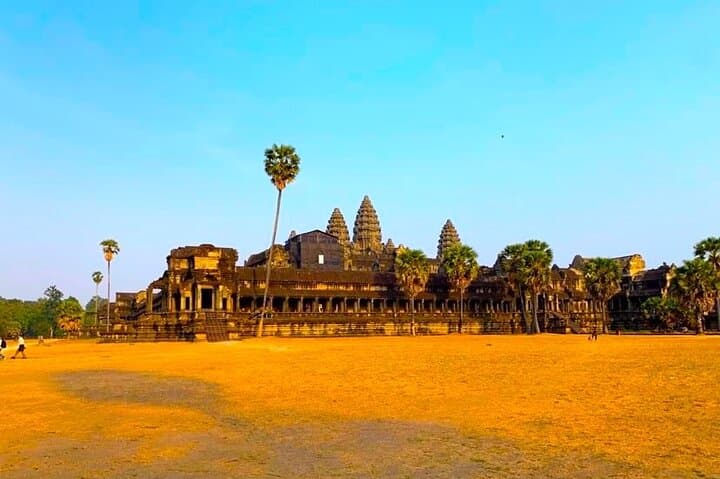
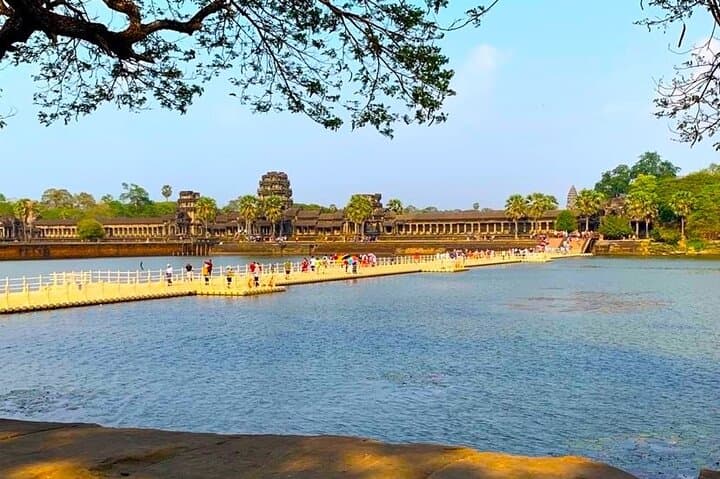
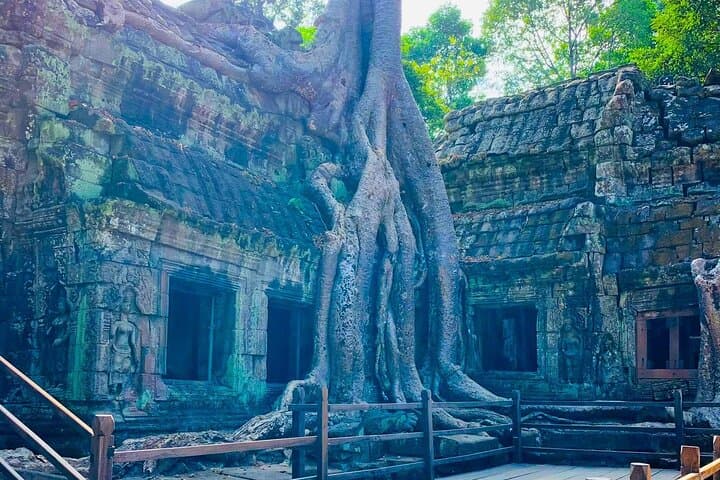
You step from an air-conditioned vehicle and into a courtyard where stone faces and root-wrapped walls hold the heat of centuries. Morning light cuts across Angkor Wat’s outer moat, throwing shadow into bas-reliefs while the Bayon’s round faces watch as tourists move between galleries. At Ta Prohm the roots insist on being seen, draping galleries in living architecture.
You step from an air-conditioned vehicle and into a courtyard where stone faces and root-wrapped walls hold the heat of centuries. Morning light cuts across Angkor Wat’s outer moat, throwing shadow into bas-reliefs while the Bayon’s round faces watch as tourists move between galleries. At Ta Prohm the roots insist on being seen, draping galleries in living architecture.
The three temples on this half-day route span key chapters of Khmer history: Angkor Wat (12th century, Suryavarman II) as royal Hindu-to-Buddhist ceremonial center; Bayon’s 13th-century faces and everyday bas-reliefs; and Ta Prohm’s romantic collapse where silk-cotton and strangler figs thread through sandstone. The stones here are sandstone and laterite, soft to touch and vulnerable to weathering — a reason for careful, low-impact visits.
Culturally, the sites remain active places of devotion and national pride. The Angkor Archaeological Park is managed by the APSARA Authority, and visitor flow is regulated by timed entry passes.
Practicalities: this private four-hour tour uses a sedan, MPV, or van with a licensed driver who handles navigation and parking while you explore on foot. Distances between sites are several kilometers; expect 1–2 km of walking at each stop over mostly flat terrain with steps at temple entrances. Bring sun protection, refillable water, and modest clothing for shrine access. Arrive early for softer light and fewer crowds; late afternoons offer cooler temperatures but more visitors.
This format is ideal for travelers who want efficient access to Angkor’s highlights without coordinating tuk-tuks or schedules, but remember: respect restricted areas, follow signage, and leave no trace among these fragile stones.