THE ADVENTURE COLLECTIVE® · Independent discovery and booking for outdoor travel

Escape Tokyo for a day with a private English‑speaking chauffeur who stitches Hakone’s top sights — Lake Ashi, Ōwakudani, Hakone Shrine and the Open‑Air Museum — into one efficient, scenic loop. Read on for what to expect, local context and practical tips to make the most of your ten‑hour visit.
Escape Tokyo for a day with a private English‑speaking chauffeur who stitches Hakone’s top sights — Lake Ashi, Ōwakudani, Hakone Shrine and the Open‑Air Museum — into one efficient, scenic loop. Read on for what to expect, local context and practical tips to make the most of your ten‑hour visit.
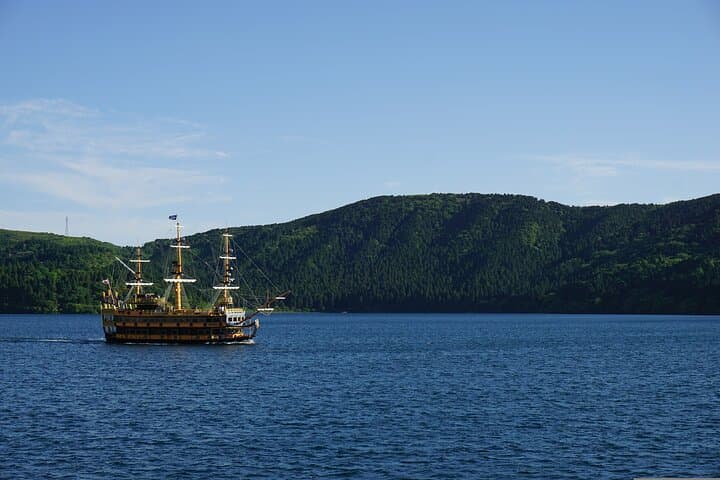
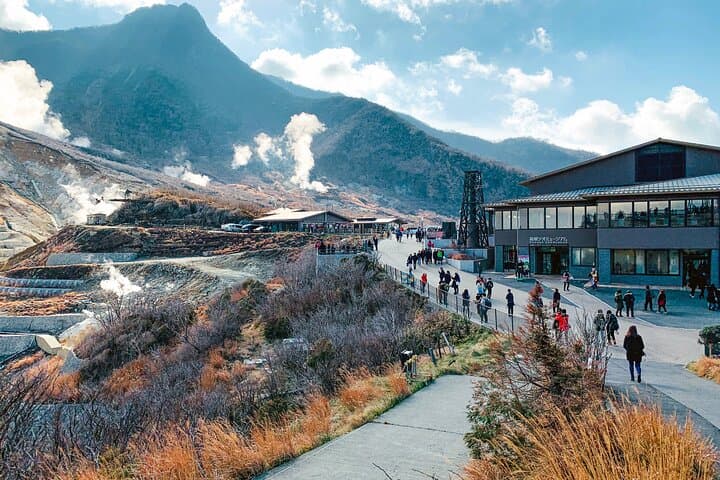
You step out of your Tokyo hotel before dawn and the city’s roar shrinks behind you as the road unspools toward Hakone. Ninety kilometers and roughly 90–120 minutes of highway later, the air sharpens — cooler, mineral-tinged — and the slopes of the Fuji-Hakone-Izu National Park begin to rise. On this private, full‑day tour with an English‑speaking chauffeur, the landscape does the guiding: mist lifting off Lake Ashinoko, sulfur steam knitting the horizon at Ōwakudani, and cedar trunks darkening the approaches to Hakone Shrine.
Verified experiences and guided adventures in the surrounding area.
Operated by Sluzeb Tours · Hakone, Kanagawa
You step out of your Tokyo hotel before dawn and the city’s roar shrinks behind you as the road unspools toward Hakone. Ninety kilometers and roughly 90–120 minutes of highway later, the air sharpens — cooler, mineral-tinged — and the slopes of the Fuji-Hakone-Izu National Park begin to rise. On this private, full‑day tour with an English‑speaking chauffeur, the landscape does the guiding: mist lifting off Lake Ashinoko, sulfur steam knitting the horizon at Ōwakudani, and cedar trunks darkening the approaches to Hakone Shrine.
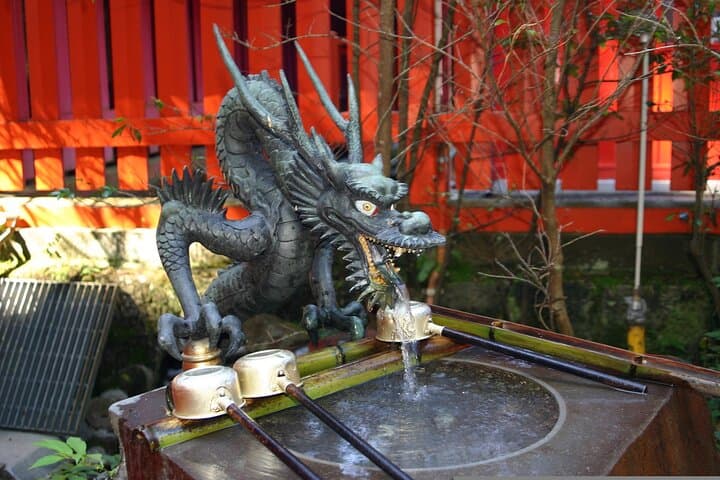
Hakone’s modern draw — ropeways, open‑air sculptures and postcard views of Mount Fuji — sits atop a rugged volcanic story. Lake Ashi occupies a caldera formed after Mount Hakone’s eruptions millennia ago; Ōwakudani remains an active geothermal valley where black eggs evaporate in iron‑rich hot springs. The area’s cultural layers are older: Amazake‑chaya began serving a sweet rice drink centuries ago, and Hakone Shrine has long been a lakeside place of worship, its torii punctuating the morning mist.
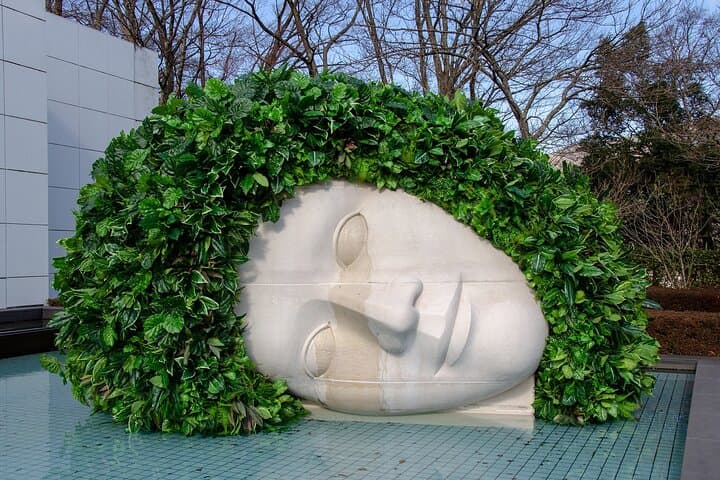
A private chauffeur tour is pragmatic travel: you compress distance and logistics so you can linger where it matters. Expect stops at the lakeside torii and Hakone Shrine, a ride on the Hakone Ropeway to Ōwakudani for the sulfur‑streaked panoramas and kuro‑tamago, a visit to the Hakone Open‑Air Museum for outdoor sculpture framed by conifered hills, and a break in a hillside botanical garden. Total door‑to‑door time runs about ten hours with hotel pickup and drop‑off in Tokyo included; maximum group size is flexible with additional fee for more than five people.
Plan around weather. Ōwakudani’s visibility collapses in low cloud; autumn offers the most reliable mountain air and the region’s best color, while early mornings in summer cut through crowds. Because some sites are short walks from parking, bring sensible shoes — there’s more uneven stone and boardwalk than paved promenades.
Practically: carry cash for small admission fees, a power bank for long photo days and a compact rain shell. If you want a guided cultural interpretation beyond the chauffeur’s local tips, request a licensed guide in advance (arranged for an extra fee). For travelers crunched for time, this tour makes Hakone’s key geology, culture and thermal curiosities accessible in one efficient, scenic loop.
easy.
10 hours.
Suitable for travelers of average fitness—most movement involves short walks and stairs; no long hikes required.
The driver speaks English and offers local tips, but a licensed guide can be added on request for an extra fee if you want deeper cultural interpretation.
The tour is approximately 10 hours total and includes flexible pickup and drop‑off at hotels or other Tokyo locations (within the stated pickup area).
Yes—stops and pacing can be adjusted; note that groups larger than five may incur additional charges and some timing changes depend on traffic and weather.
Basic private transport and parking fees are included; admissions, ropeway tickets and optional guide fees are typically not included—bring cash or check with the operator in advance.
The vehicle and many areas are wheelchair accessible, but some attractions (steep approaches, stairs) may be challenging—discuss mobility needs when booking to plan suitable stops.
No special equipment is needed—kuro‑tamago are sold at the site; bring cash and a light mask if you’re sensitive to sulfur fumes.
Hakone sits within the Fuji‑Hakone‑Izu National Park and formed around volcanic activity; Lake Ashi is a caldera lake created after Mount Hakone’s eruptions and the area has been a pilgrimage and leisure destination for centuries.
Visitor pressure can strain trails and fragile geothermal zones—stay on designated paths, don’t feed wildlife, and support local businesses that follow sustainable practices.
Sluzeb Tours operates guided outdoor trips and adventures with an emphasis on safety, stewardship, and memorable experiences.
You step out of your Tokyo hotel before dawn and the city’s roar shrinks behind you as the road unspools toward Hakone. Ninety kilometers and roughly 90–120 minutes of highway later, the air sharpens — cooler, mineral-tinged — and the slopes of the Fuji-Hakone-Izu National Park begin to rise. On this private, full‑day tour with an English‑speaking chauffeur, the landscape does the guiding: mist lifting off Lake Ashinoko, sulfur steam knitting the horizon at Ōwakudani, and cedar trunks darkening the approaches to Hakone Shrine.
You step out of your Tokyo hotel before dawn and the city’s roar shrinks behind you as the road unspools toward Hakone. Ninety kilometers and roughly 90–120 minutes of highway later, the air sharpens — cooler, mineral-tinged — and the slopes of the Fuji-Hakone-Izu National Park begin to rise. On this private, full‑day tour with an English‑speaking chauffeur, the landscape does the guiding: mist lifting off Lake Ashinoko, sulfur steam knitting the horizon at Ōwakudani, and cedar trunks darkening the approaches to Hakone Shrine.
Hakone’s modern draw — ropeways, open‑air sculptures and postcard views of Mount Fuji — sits atop a rugged volcanic story. Lake Ashi occupies a caldera formed after Mount Hakone’s eruptions millennia ago; Ōwakudani remains an active geothermal valley where black eggs evaporate in iron‑rich hot springs. The area’s cultural layers are older: Amazake‑chaya began serving a sweet rice drink centuries ago, and Hakone Shrine has long been a lakeside place of worship, its torii punctuating the morning mist.
A private chauffeur tour is pragmatic travel: you compress distance and logistics so you can linger where it matters. Expect stops at the lakeside torii and Hakone Shrine, a ride on the Hakone Ropeway to Ōwakudani for the sulfur‑streaked panoramas and kuro‑tamago, a visit to the Hakone Open‑Air Museum for outdoor sculpture framed by conifered hills, and a break in a hillside botanical garden. Total door‑to‑door time runs about ten hours with hotel pickup and drop‑off in Tokyo included; maximum group size is flexible with additional fee for more than five people.
Plan around weather. Ōwakudani’s visibility collapses in low cloud; autumn offers the most reliable mountain air and the region’s best color, while early mornings in summer cut through crowds. Because some sites are short walks from parking, bring sensible shoes — there’s more uneven stone and boardwalk than paved promenades.
Practically: carry cash for small admission fees, a power bank for long photo days and a compact rain shell. If you want a guided cultural interpretation beyond the chauffeur’s local tips, request a licensed guide in advance (arranged for an extra fee). For travelers crunched for time, this tour makes Hakone’s key geology, culture and thermal curiosities accessible in one efficient, scenic loop.