THE ADVENTURE COLLECTIVE® · Independent discovery and booking for outdoor travel

Craft a personalized day of art across Hakone’s museums and gardens — from the playful sculptures at the Open-Air Museum to Lalique’s glass and Pola’s light-filled galleries. This private, public-transport tour balances contemplative museum time with short walks through volcanic foothills.
Craft a personalized day of art across Hakone’s museums and gardens — from the playful sculptures at the Open-Air Museum to Lalique’s glass and Pola’s light-filled galleries. This private, public-transport tour balances contemplative museum time with short walks through volcanic foothills.
You step off the train at Hakone-Yumoto and the air changes: pines slope above town, steam from distant onsen threads through cool alleys, and an invitation to slow down arrives in the quiet of museum gardens.
Verified experiences and guided adventures in the surrounding area.
Operated by Nature Retreat Tour · Hakone, Kanagawa Prefecture
You step off the train at Hakone-Yumoto and the air changes: pines slope above town, steam from distant onsen threads through cool alleys, and an invitation to slow down arrives in the quiet of museum gardens.
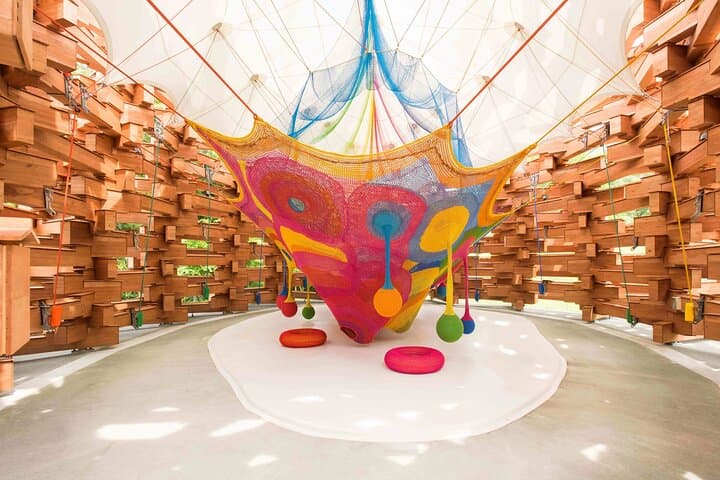
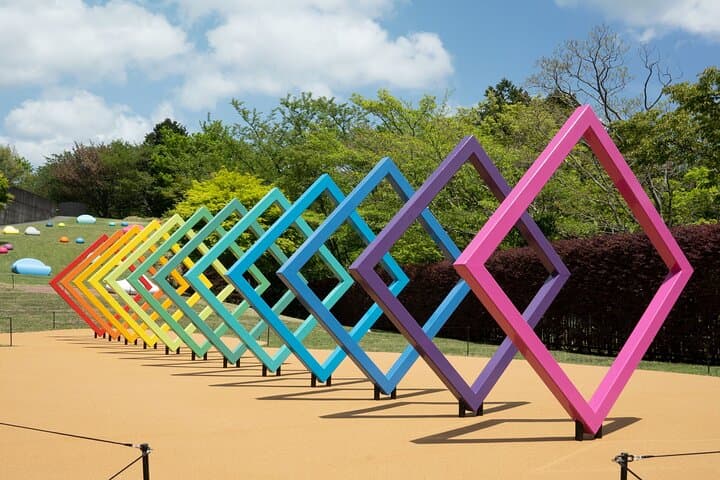
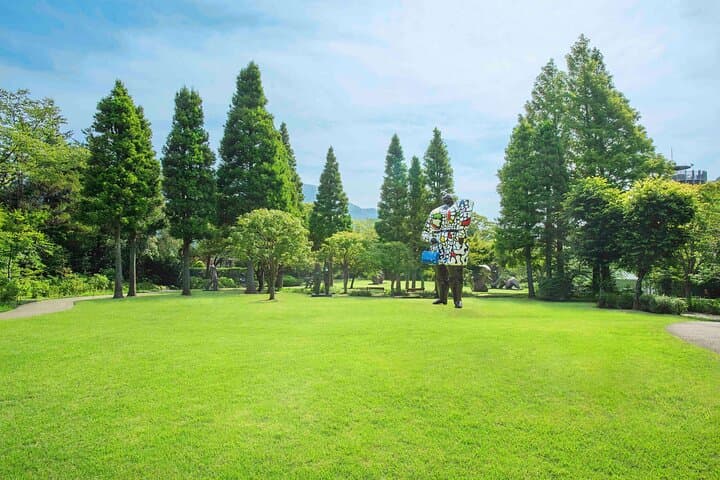
Spend a day moving between art spaces where the landscape is as much a display as the galleries. The Hakone Open-Air Museum (opened 1969) spreads life-sized sculptures across lawns and cedar stands, asking you to walk around form and shadow. Pola Museum of Art brings light into modern canvases and glass cases; Lalique’s collection makes glass feel like jewelry in a hushed carriage café. Okada Museum’s golden folding screen and the Yosegi woodcraft exhibits connect contemporary visitors to ancient East Asian techniques and Edo-period craftsmanship.
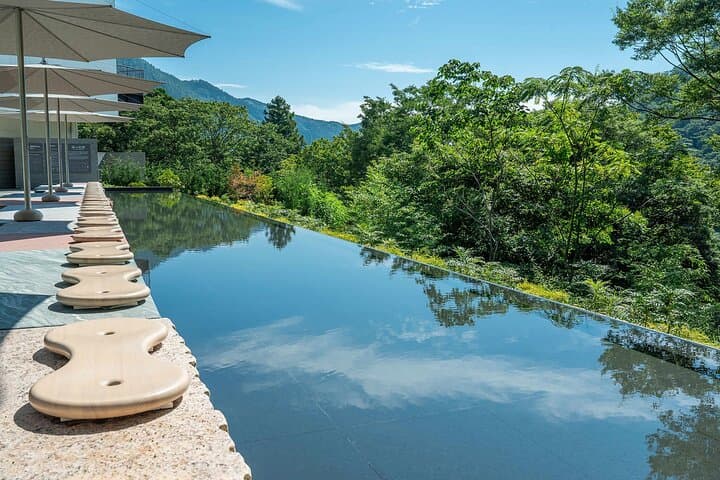
Geology and culture show up in low volcanic ridges and hot-spring towns that historically controlled travel between Edo and the west; that legacy shaped Hakone into a place where movement and contemplation coexist. Gardens and lakeside shrines offer quiet counterpoints to gallery rooms.
Practically: this private experience is mobile — you’ll use trains and buses and walk between sites, sometimes uphill from Hakone-Yumoto toward Gora (several hundred metres of elevation change if you go between valleys). Wear solid walking shoes, carry a compact rain layer, and allow 6–8 hours to visit 3–4 venues at leisure. Bring cash for admissions and the Hakone Free Pass or IC card to simplify buses. Move slowly through the gardens: the art is best seen in motion and the landscapes will reward a patient gaze.
easy.
6–8 hours.
Light walking ability; comfortable standing and short uphill walks between transit stops
No—this private tour guides you but admissions and transport fares are not included; plan to buy tickets on-site or online.
All transfers are by public trains and buses; the guide will direct you but you should expect short walks and a few uphill sections.
Many sites are family-friendly, especially the Open-Air Museum, but accessibility varies—ask in advance about elevators and step-free routes.
Yes—an English-speaking guide accompanies the tour and offers on-site interpretation and photography assistance.
Hakone historically controlled a highway between Edo and Kyoto and later became a popular onsen and art destination; the Open-Air Museum opened in 1969 and helped define the region’s cultural identity.
Museums and local operators encourage public transport and low-impact visits; stay on paths, respect quiet garden areas, and avoid flash photography where restricted.
Nature Retreat Tour operates guided outdoor trips and adventures with an emphasis on safety, stewardship, and memorable experiences.
You step off the train at Hakone-Yumoto and the air changes: pines slope above town, steam from distant onsen threads through cool alleys, and an invitation to slow down arrives in the quiet of museum gardens.
You step off the train at Hakone-Yumoto and the air changes: pines slope above town, steam from distant onsen threads through cool alleys, and an invitation to slow down arrives in the quiet of museum gardens.
Spend a day moving between art spaces where the landscape is as much a display as the galleries. The Hakone Open-Air Museum (opened 1969) spreads life-sized sculptures across lawns and cedar stands, asking you to walk around form and shadow. Pola Museum of Art brings light into modern canvases and glass cases; Lalique’s collection makes glass feel like jewelry in a hushed carriage café. Okada Museum’s golden folding screen and the Yosegi woodcraft exhibits connect contemporary visitors to ancient East Asian techniques and Edo-period craftsmanship.
Geology and culture show up in low volcanic ridges and hot-spring towns that historically controlled travel between Edo and the west; that legacy shaped Hakone into a place where movement and contemplation coexist. Gardens and lakeside shrines offer quiet counterpoints to gallery rooms.
Practically: this private experience is mobile — you’ll use trains and buses and walk between sites, sometimes uphill from Hakone-Yumoto toward Gora (several hundred metres of elevation change if you go between valleys). Wear solid walking shoes, carry a compact rain layer, and allow 6–8 hours to visit 3–4 venues at leisure. Bring cash for admissions and the Hakone Free Pass or IC card to simplify buses. Move slowly through the gardens: the art is best seen in motion and the landscapes will reward a patient gaze.