THE ADVENTURE COLLECTIVE® · Independent discovery and booking for outdoor travel

Take a private, interpretive walk through the rainforest viewpoints of Victoria Falls with a local guide. This 2½-hour tour covers 16 viewing points, the ancient Big Tree baobab, and insider stories about Mosi-oa-Tunya, with tips for moonbow sightings.
Take a private, interpretive walk through the rainforest viewpoints of Victoria Falls with a local guide. This 2½-hour tour covers 16 viewing points, the ancient Big Tree baobab, and insider stories about Mosi-oa-Tunya, with tips for moonbow sightings.
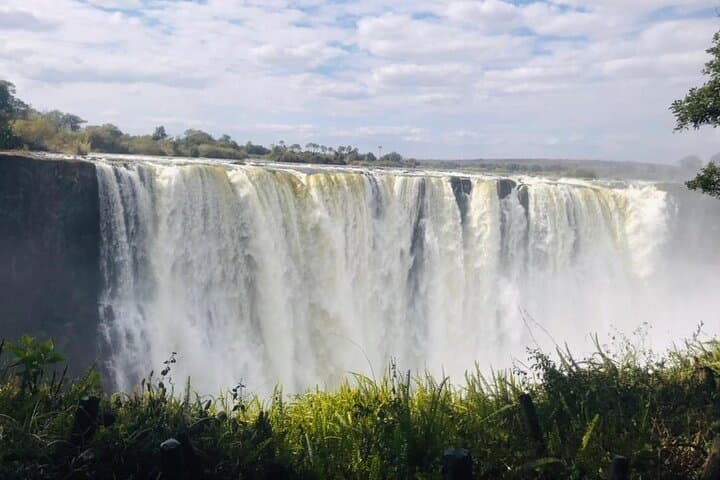
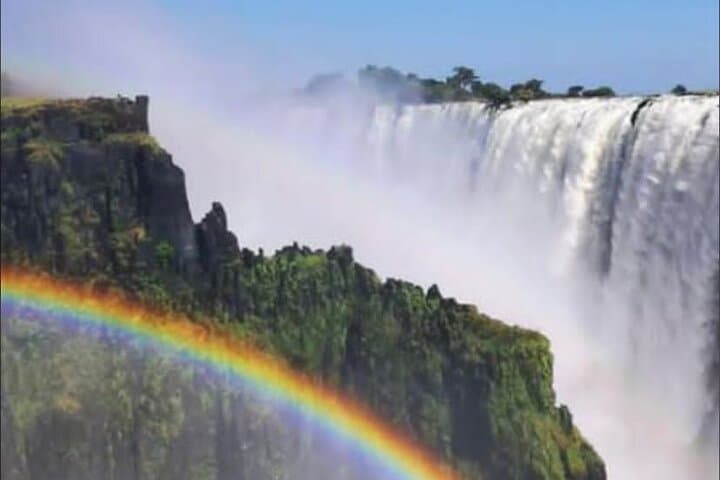
Mist curls around your face as the Zambezi roars and the trail narrows into rainforest. On this private guided walk you don’t just stand and stare — you move through a living, dripping theatre where water dares the canyon below and spray writes rainbows across the air.
Verified experiences and guided adventures in the surrounding area.
Operated by Akost Safaris · Victoria Falls, Matabeleland North
Mist curls around your face as the Zambezi roars and the trail narrows into rainforest. On this private guided walk you don’t just stand and stare — you move through a living, dripping theatre where water dares the canyon below and spray writes rainbows across the air.
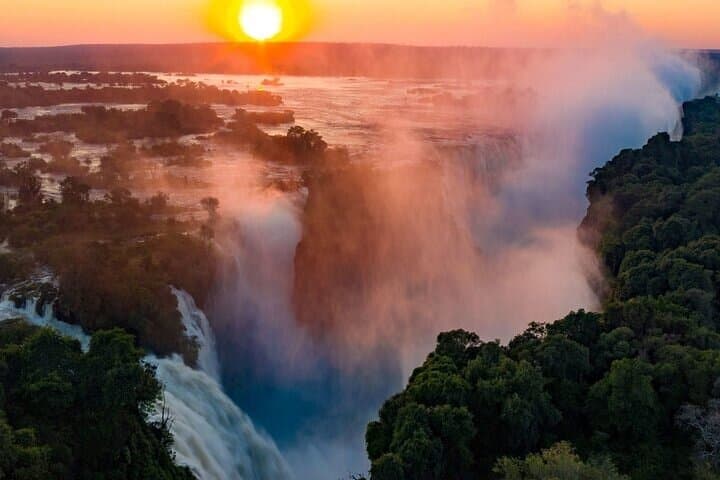
The guide leads you to 16 formal viewpoints and quiet ledges, explaining how the basalt plateau split, sending the river into the Batoka Gorge and carving the sheer cliffs you see today. You’ll hear local stories — including David Livingstone’s first sighting in 1855 — and learn why the Kololo name Mosi-oa-Tunya, “the smoke that thunders,” still fits. The walk includes a stop at the Big Tree, a baobab that predates colonial maps and acts as a shaded counterpoint to the rumbling falls.
Expect roughly 1.5–2.5 km of walking on wet, sometimes slippery rainforest paths with steps and short stair sections; elevation gain is modest but uneven footing demands attention. The microclimate supports ferns, figs, and a chorus of birds and monkeys that may cross your path. Guides time the route for fewer crowds and aim for photo angles that reveal both scale and detail.
Practical edge: wear waterproof shoes and a lightweight rain shell, bring a waterproof camera cover, and plan for 2–3 hours. Bottled water and private transport are included; entry to the national park is typically paid separately. If you want a moonbow, check the lunar calendar and book a night viewing — on a clear full-moon the falls can produce a rare, ghostly arc.
This is a compact, sensory-rich walk that balances natural history, geology, and local culture with easy logistics — ideal for travelers who want a concentrated, interpretive experience at one of Africa’s great wild places.
easy.
2–3 hours.
Suitable for most fitness levels; be comfortable walking 1.5–2.5 km on uneven, wet terrain and stairs.
Park admission is typically not included in private walking tour prices; pay on arrival or confirm with the operator before your tour.
Some viewpoints have accessible paths and the tour notes wheelchair-accessible transport, but parts of the rainforest trail include steps and wet surfaces—check accessibility details when booking.
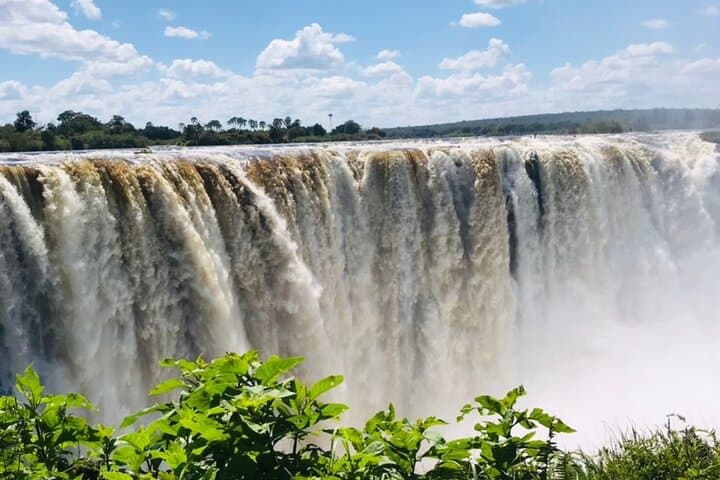
High water is usually between February and May after seasonal rains; the falls are most powerful then, though spray can limit visibility and photos.
Yes—moonbows occur on clear full-moon nights when flow is strong; guides will arrange night viewings when conditions and park access allow.
David Livingstone was the first European to record the falls in 1855; local Lozi and Kololo peoples have long held the site as Mosi-oa-Tunya, "the smoke that thunders."
The rainforest is a fragile mist-fed ecosystem—stay on marked paths, avoid litter, and be aware that upstream water use affects flow levels and the falls’ seasonal behavior.
Akost Safaris operates guided outdoor trips and adventures with an emphasis on safety, stewardship, and memorable experiences.
Mist curls around your face as the Zambezi roars and the trail narrows into rainforest. On this private guided walk you don’t just stand and stare — you move through a living, dripping theatre where water dares the canyon below and spray writes rainbows across the air.
Mist curls around your face as the Zambezi roars and the trail narrows into rainforest. On this private guided walk you don’t just stand and stare — you move through a living, dripping theatre where water dares the canyon below and spray writes rainbows across the air.
The guide leads you to 16 formal viewpoints and quiet ledges, explaining how the basalt plateau split, sending the river into the Batoka Gorge and carving the sheer cliffs you see today. You’ll hear local stories — including David Livingstone’s first sighting in 1855 — and learn why the Kololo name Mosi-oa-Tunya, “the smoke that thunders,” still fits. The walk includes a stop at the Big Tree, a baobab that predates colonial maps and acts as a shaded counterpoint to the rumbling falls.
Expect roughly 1.5–2.5 km of walking on wet, sometimes slippery rainforest paths with steps and short stair sections; elevation gain is modest but uneven footing demands attention. The microclimate supports ferns, figs, and a chorus of birds and monkeys that may cross your path. Guides time the route for fewer crowds and aim for photo angles that reveal both scale and detail.
Practical edge: wear waterproof shoes and a lightweight rain shell, bring a waterproof camera cover, and plan for 2–3 hours. Bottled water and private transport are included; entry to the national park is typically paid separately. If you want a moonbow, check the lunar calendar and book a night viewing — on a clear full-moon the falls can produce a rare, ghostly arc.
This is a compact, sensory-rich walk that balances natural history, geology, and local culture with easy logistics — ideal for travelers who want a concentrated, interpretive experience at one of Africa’s great wild places.