THE ADVENTURE COLLECTIVE® · Independent discovery and booking for outdoor travel

Walk Bordeaux with a local: explore medieval streets, 18th-century grand squares and the Water Mirror while a private guide stitches history, architecture and wine recommendations into a tailored 2–3 hour route.
Walk Bordeaux with a local: explore medieval streets, 18th-century grand squares and the Water Mirror while a private guide stitches history, architecture and wine recommendations into a tailored 2–3 hour route.
You step out under the shadow of Cathédrale Saint-André and the guide lifts a bright umbrella — a simple signal that signals an unfolding city. Cobblestones click beneath your shoes as the group threads through narrow medieval lanes, the air tinged with fresh bread and distant grape ferment, and the Garonne river fidgets in the background like a watchful neighbor.
Verified experiences and guided adventures in the surrounding area.
Operated by Bordeaux: Tours & Wine · Bordeaux, Nouvelle-Aquitaine
You step out under the shadow of Cathédrale Saint-André and the guide lifts a bright umbrella — a simple signal that signals an unfolding city. Cobblestones click beneath your shoes as the group threads through narrow medieval lanes, the air tinged with fresh bread and distant grape ferment, and the Garonne river fidgets in the background like a watchful neighbor.
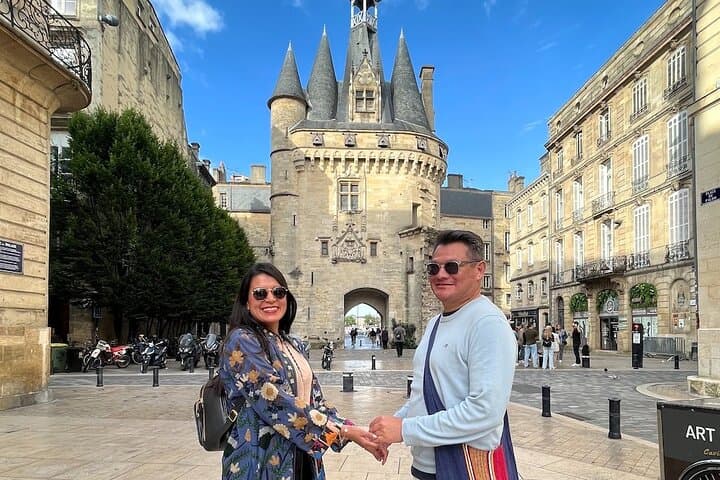
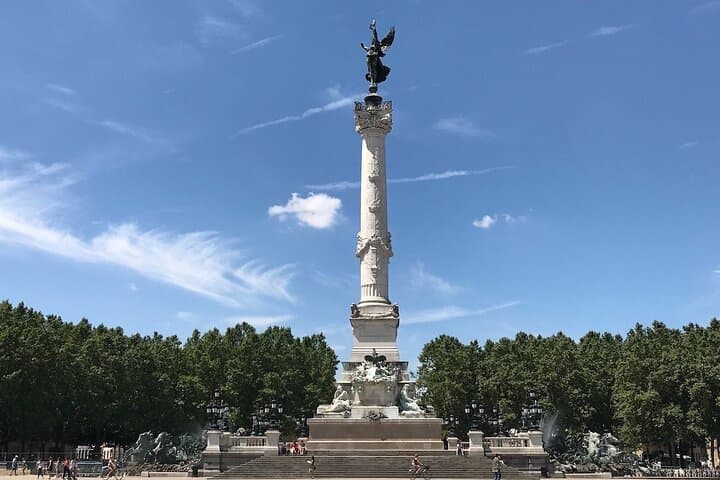
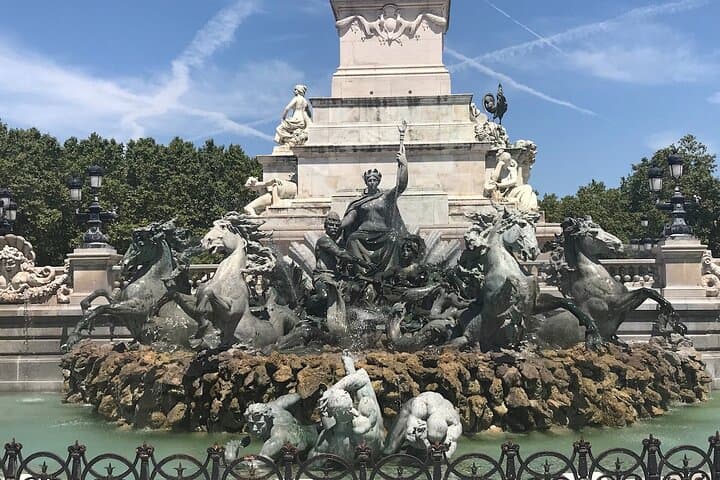
Bordeaux grew wealthy on wine and trade; its 18th-century façades and broad quays reflect centuries of commerce. The tour traces that arc: civic power at Place Pey Berland, the separated bells of the Pey Berland tower, the fortified Porte Cailhau that marks medieval defenses, and Place de la Bourse where global trade reshaped the cityscape. Guides blend architecture, revolutionary history and practical local lore — from how the Water Mirror turns the square into a photographer’s stage to which narrow lanes hide the liveliest wine bars.
Expect steady walking on mostly flat pavement, punctuated by stops for stories and photos. Local culture here is convivial and food-focused; your guide will point out markets, bistros and wine shops tailored to your taste. Accessibility is generally good, with tram links nearby.
Practical tips: wear comfortable shoes, carry a small umbrella or light rain jacket (weather can change fast), and bring a charged phone for maps and photos. Aim for morning or late afternoon to avoid peak crowds and enjoy cooler light on the sandstone façades. This private format means flexible pacing and time for personalized wine or dining recommendations to extend your Bordeaux experience.
easy.
2–3 hours.
Basic urban walking fitness — comfortable standing and walking for up to three hours on paved streets
Yes — many parts of the route and key meeting points are accessible, but notify the guide when booking to confirm the exact plan and any adaptations.
The tour focuses on exteriors and context; short interior visits may be possible depending on opening times, services, and events at each site.
Yes — the private format includes personalized recommendations and tips on local wines and eateries tailored to your preferences.
Tours are typically offered in the guide's listed languages; check the product page or request language preferences when booking.
Bordeaux’s wealth was built on Atlantic trade and viticulture; its historic center reflects 18th-century urban renewal and was designated a UNESCO World Heritage site in 2007.
The city balances tourism with preservation — respect pedestrian zones, follow local guidance around historic façades, and support small local businesses to reduce overtourism pressure.
Bordeaux: Tours & Wine operates guided outdoor trips and adventures with an emphasis on safety, stewardship, and memorable experiences.
You step out under the shadow of Cathédrale Saint-André and the guide lifts a bright umbrella — a simple signal that signals an unfolding city. Cobblestones click beneath your shoes as the group threads through narrow medieval lanes, the air tinged with fresh bread and distant grape ferment, and the Garonne river fidgets in the background like a watchful neighbor.
You step out under the shadow of Cathédrale Saint-André and the guide lifts a bright umbrella — a simple signal that signals an unfolding city. Cobblestones click beneath your shoes as the group threads through narrow medieval lanes, the air tinged with fresh bread and distant grape ferment, and the Garonne river fidgets in the background like a watchful neighbor.
Bordeaux grew wealthy on wine and trade; its 18th-century façades and broad quays reflect centuries of commerce. The tour traces that arc: civic power at Place Pey Berland, the separated bells of the Pey Berland tower, the fortified Porte Cailhau that marks medieval defenses, and Place de la Bourse where global trade reshaped the cityscape. Guides blend architecture, revolutionary history and practical local lore — from how the Water Mirror turns the square into a photographer’s stage to which narrow lanes hide the liveliest wine bars.
Expect steady walking on mostly flat pavement, punctuated by stops for stories and photos. Local culture here is convivial and food-focused; your guide will point out markets, bistros and wine shops tailored to your taste. Accessibility is generally good, with tram links nearby.
Practical tips: wear comfortable shoes, carry a small umbrella or light rain jacket (weather can change fast), and bring a charged phone for maps and photos. Aim for morning or late afternoon to avoid peak crowds and enjoy cooler light on the sandstone façades. This private format means flexible pacing and time for personalized wine or dining recommendations to extend your Bordeaux experience.