THE ADVENTURE COLLECTIVE® · Independent discovery and booking for outdoor travel

Explore Bodrum on foot with a private guide: step from the marina into winding bazaars, climb for a castle view, and learn the town’s maritime history. This 3–4 hour customizable walking tour pairs local insight with flexible pacing.
Explore Bodrum on foot with a private guide: step from the marina into winding bazaars, climb for a castle view, and learn the town’s maritime history. This 3–4 hour customizable walking tour pairs local insight with flexible pacing.
You step off the marina promenade with the Aegean breeze at your back and the Castle of St. Peter looming ahead, its stone walls cutting a cool silhouette against bright sky.
Verified experiences and guided adventures in the surrounding area.
Operated by Onelli Travel · Bodrum, Muğla
You step off the marina promenade with the Aegean breeze at your back and the Castle of St. Peter looming ahead, its stone walls cutting a cool silhouette against bright sky.
This private walking tour threads through Bodrum’s compact core — winding alleys, the lively bazaar, and a harbor rimmed with cafés — and pauses at the castle where Crusader ramparts now host the Underwater Archaeology Museum. Centuries of trade and shipbuilding shaped the town; the castle itself was raised by the Knights Hospitaller in the 15th century and still holds relics pulled from ancient shipwrecks.
Bodrum sits on a limestone coastline; stone streets and low hills explain why windmills perch above the town, watching the sea. The culture is maritime and mercantile: expect craft shops selling carpets, leather, and spices alongside modern boutiques and seafood grills. Local life moves between sea and market — fishermen, café conversations, and the stubborn pace of afternoon tea.
Practical guidance: tours run 3–4 hours and are easily adjusted to your pace; bring comfortable shoes for cobbles and some steps, and carry small bills for market purchases. If the museum is a priority, plan that portion early to avoid heat and crowds. Communicate accessibility needs and language preferences when booking — guides typically adapt the route to mobility limits. Stay hydrated, wear layered sun protection, and allow time to linger at a waterfront café for a clear view of the harbor and the sea pulling you forward.
easy.
3–4 hours.
Suitable for travelers in general good health who can walk on uneven surfaces for several hours.
No; entrance to Bodrum Castle and the Underwater Archaeology Museum is typically paid on-site—confirm with your guide if you want admission included.
The listed duration is 3–4 hours and is private and flexible—your guide can shorten or extend the route to suit your schedule.
The general walking route in town is largely accessible, but the castle and some viewpoints have uneven stone surfaces and steps; discuss mobility needs before booking.
Guides commonly offer English and often German or French—verify language availability when you reserve the tour.
Bodrum’s Castle of St. Peter was built by the Knights Hospitaller in the 15th century and now contains artifacts from shipwrecks recovered in nearby waters.
Tourism concentrates foot traffic on historic streets and museum sites—support local craft shops, avoid single-use plastics, and follow signage to protect archaeological areas.
Onelli Travel operates guided outdoor trips and adventures with an emphasis on safety, stewardship, and memorable experiences.
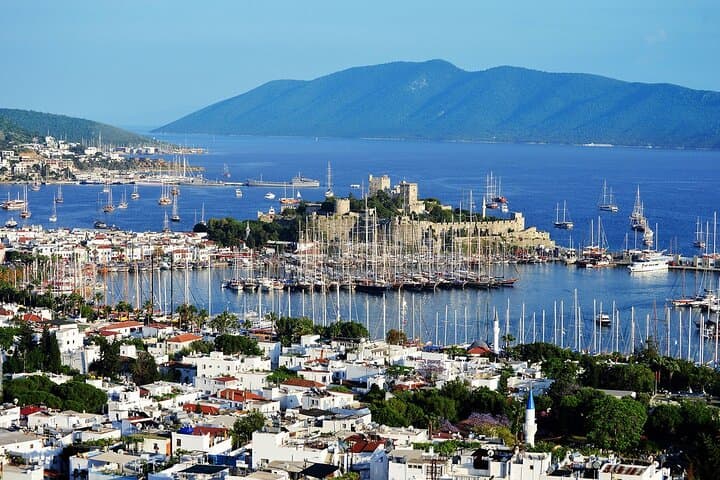
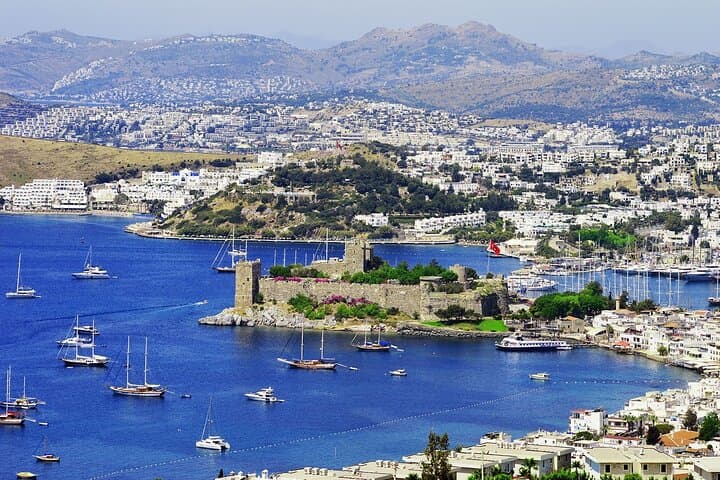
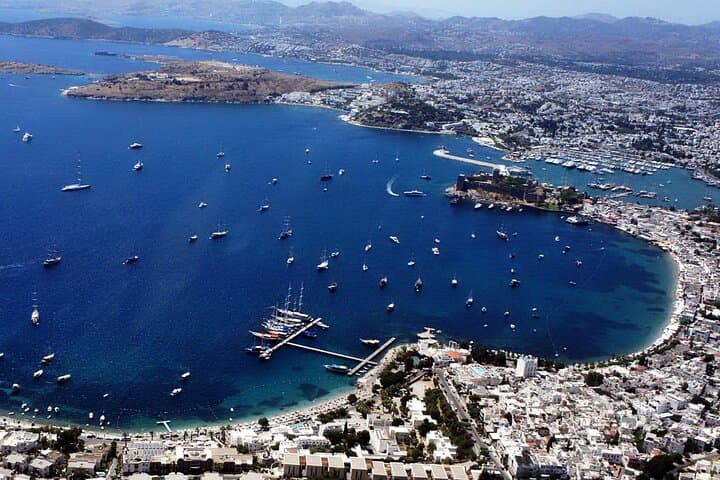
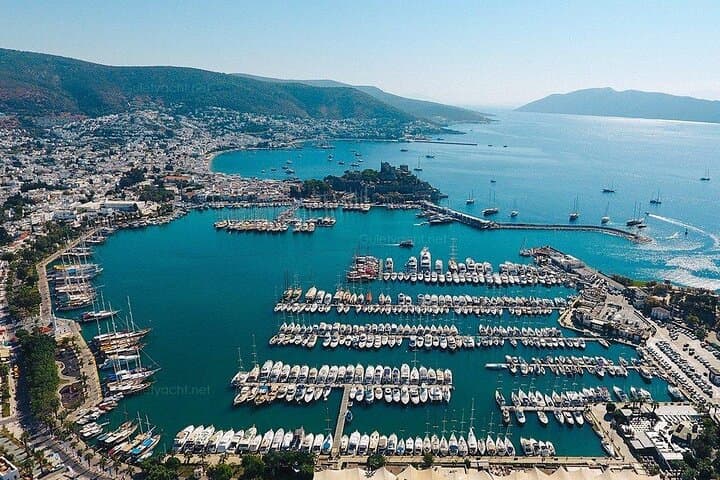
You step off the marina promenade with the Aegean breeze at your back and the Castle of St. Peter looming ahead, its stone walls cutting a cool silhouette against bright sky.
You step off the marina promenade with the Aegean breeze at your back and the Castle of St. Peter looming ahead, its stone walls cutting a cool silhouette against bright sky.
This private walking tour threads through Bodrum’s compact core — winding alleys, the lively bazaar, and a harbor rimmed with cafés — and pauses at the castle where Crusader ramparts now host the Underwater Archaeology Museum. Centuries of trade and shipbuilding shaped the town; the castle itself was raised by the Knights Hospitaller in the 15th century and still holds relics pulled from ancient shipwrecks.
Bodrum sits on a limestone coastline; stone streets and low hills explain why windmills perch above the town, watching the sea. The culture is maritime and mercantile: expect craft shops selling carpets, leather, and spices alongside modern boutiques and seafood grills. Local life moves between sea and market — fishermen, café conversations, and the stubborn pace of afternoon tea.
Practical guidance: tours run 3–4 hours and are easily adjusted to your pace; bring comfortable shoes for cobbles and some steps, and carry small bills for market purchases. If the museum is a priority, plan that portion early to avoid heat and crowds. Communicate accessibility needs and language preferences when booking — guides typically adapt the route to mobility limits. Stay hydrated, wear layered sun protection, and allow time to linger at a waterfront café for a clear view of the harbor and the sea pulling you forward.