THE ADVENTURE COLLECTIVE® · Independent discovery and booking for outdoor travel

Walk the rim of El Tajo with a local guide who adapts the route to your interests. In about two hours you’ll see the Puente Nuevo, the 1785 bullring and the best-preserved Arab Baths on the peninsula.
Walk the rim of El Tajo with a local guide who adapts the route to your interests. In about two hours you’ll see the Puente Nuevo, the 1785 bullring and the best-preserved Arab Baths on the peninsula.
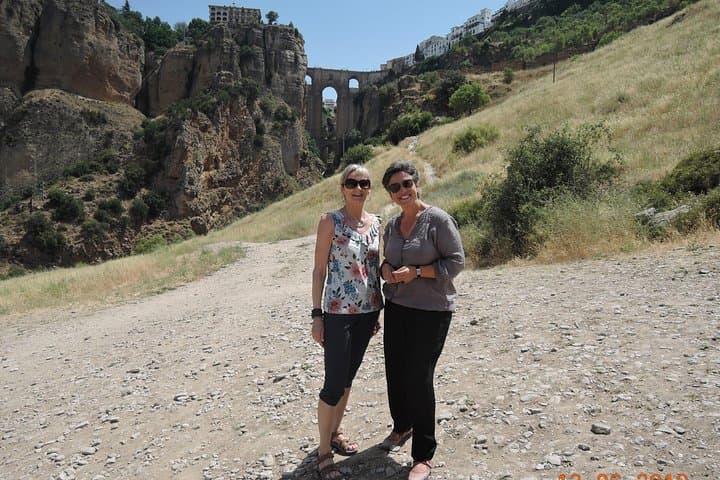
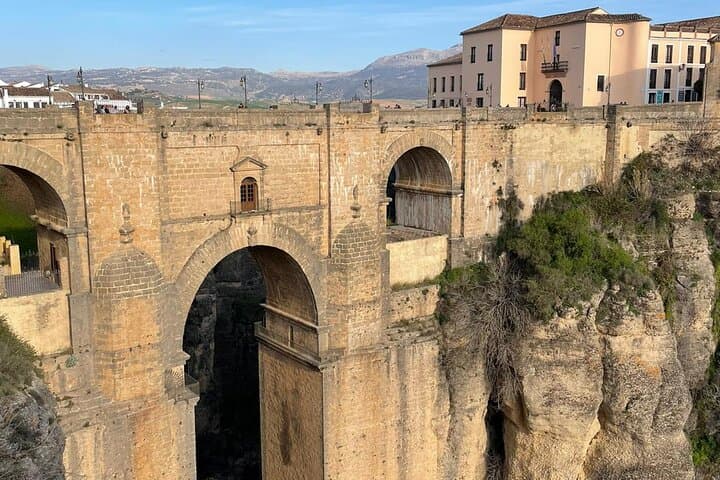
Morning light slices across El Tajo gorge and the Puente Nuevo stands like a stone jawline holding the town together. On a private tour through Ronda you move at a human pace—across cobbled alleys, onto viewpoints where wind teases stories from limestone cliffs, and into quiet patios that remember Moorish rule.
Verified experiences and guided adventures in the surrounding area.
Operated by Sonia Sedeño · Ronda, Andalusia
Morning light slices across El Tajo gorge and the Puente Nuevo stands like a stone jawline holding the town together. On a private tour through Ronda you move at a human pace—across cobbled alleys, onto viewpoints where wind teases stories from limestone cliffs, and into quiet patios that remember Moorish rule.
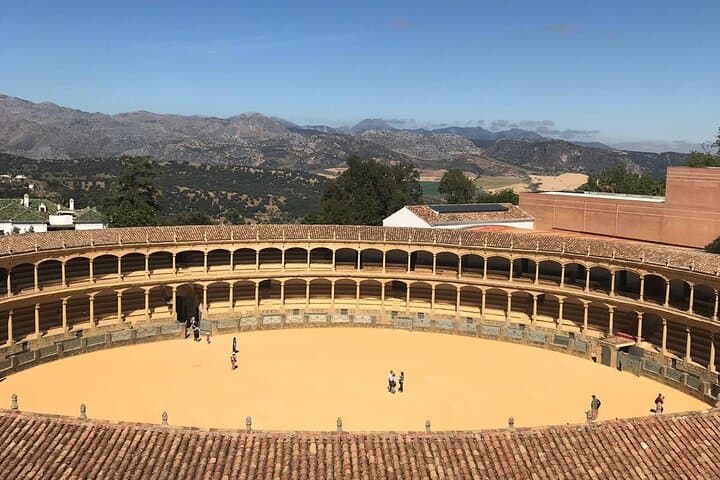
Ronda’s dramatic geography—an 80–120 metre-deep gorge carved by the Guadalevín—shaped its history as a frontier town. The Plaza de Toros, completed in 1785, marks a turning point in Spanish cultural history; the Arab Baths, from the Nazari period, are among the most complete on the peninsula. Local guides weave these threads of geology, culture and daily life into an adaptable route that suits families, couples or small groups.
Expect 2–2.5 hours of mostly easy walking with short staircases and uneven paving; the highlights typically include the Puente Nuevo viewpoint, the bullring exterior and the restored Arab Baths. Practical timing matters: mornings or late afternoons deliver softer light and calmer streets, while midday brings heat on summer days. Bring sensible footwear, a refillable water bottle, sun protection and a light layer for breezy overlooks.
This private format means the guide can add detours—to the Casa del Rey Moro stairs or a local cafe—and answer questions about Ronda’s role in Andalusian identity. The experience is as much about reading rock and architecture as it is about meeting a place that still insists on revealing itself slowly.
easy.
2–2.5 hours.
Suitable for people in reasonable walking shape; expect short stair sections and cobbles.
The private itinerary runs about 120–150 minutes, depending on stops and group pace.
Yes—this tour is family-friendly and stroller accessible, though some streets have cobbles and short stair sections.
Admission is not typically included; the guide can arrange visits like the bullring for an additional cost if desired.
Yes—pick-up can be arranged for an extra fee; confirm logistics with the operator when booking.
Ronda’s Puente Nuevo spans a gorge that defined the town’s defensive role; the Plaza de Toros (1785) influenced modern bullfighting, while the Arab Baths date to the Nazari period of Al-Andalus.
The gorge and historic quarter are sensitive to erosion and visitor pressure; stick to paths, avoid climbing on structures and support local guides who help manage visitor impact.
Sonia Sedeño operates guided outdoor trips and adventures with an emphasis on safety, stewardship, and memorable experiences.
Morning light slices across El Tajo gorge and the Puente Nuevo stands like a stone jawline holding the town together. On a private tour through Ronda you move at a human pace—across cobbled alleys, onto viewpoints where wind teases stories from limestone cliffs, and into quiet patios that remember Moorish rule.
Morning light slices across El Tajo gorge and the Puente Nuevo stands like a stone jawline holding the town together. On a private tour through Ronda you move at a human pace—across cobbled alleys, onto viewpoints where wind teases stories from limestone cliffs, and into quiet patios that remember Moorish rule.
Ronda’s dramatic geography—an 80–120 metre-deep gorge carved by the Guadalevín—shaped its history as a frontier town. The Plaza de Toros, completed in 1785, marks a turning point in Spanish cultural history; the Arab Baths, from the Nazari period, are among the most complete on the peninsula. Local guides weave these threads of geology, culture and daily life into an adaptable route that suits families, couples or small groups.
Expect 2–2.5 hours of mostly easy walking with short staircases and uneven paving; the highlights typically include the Puente Nuevo viewpoint, the bullring exterior and the restored Arab Baths. Practical timing matters: mornings or late afternoons deliver softer light and calmer streets, while midday brings heat on summer days. Bring sensible footwear, a refillable water bottle, sun protection and a light layer for breezy overlooks.
This private format means the guide can add detours—to the Casa del Rey Moro stairs or a local cafe—and answer questions about Ronda’s role in Andalusian identity. The experience is as much about reading rock and architecture as it is about meeting a place that still insists on revealing itself slowly.