THE ADVENTURE COLLECTIVE® · Independent discovery and booking for outdoor travel

Spend a focused half-day with a private Egyptologist at the Grand Egyptian Museum—see King Tutankhamun’s regalia, colossal statuary and active conservation labs while avoiding logistical hassle with private transfers. Read on for what to expect and how to plan.
Spend a focused half-day with a private Egyptologist at the Grand Egyptian Museum—see King Tutankhamun’s regalia, colossal statuary and active conservation labs while avoiding logistical hassle with private transfers. Read on for what to expect and how to plan.
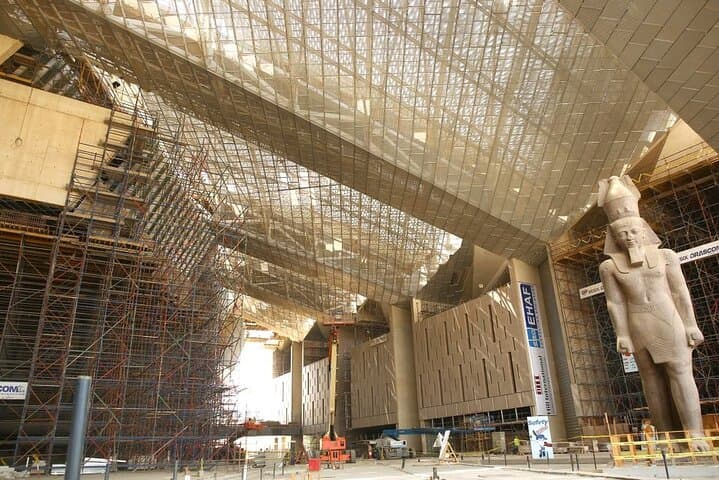
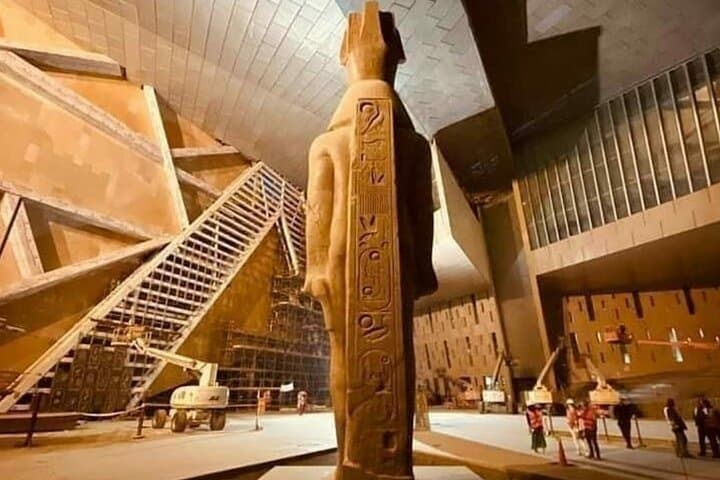
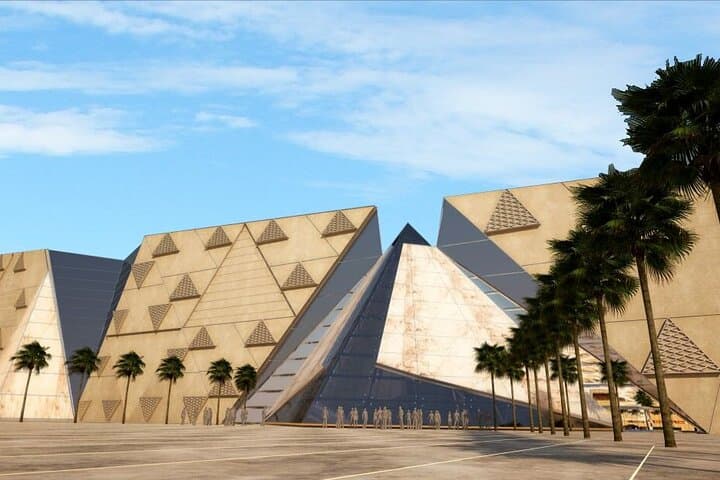
Morning light slices across the museum’s pale façade as you step from the air-conditioned car and into a place built to let objects speak. Inside the Grand Egyptian Museum, bronze, stone and gold hold the cadence of centuries; a private Egyptologist guides you through concentrated galleries so you move from colossal statuary to the delicate regalia of Tutankhamun with context and cadence.
Verified experiences and guided adventures in the surrounding area.
Operated by Ma3t Tours · Giza, Giza Governorate
Morning light slices across the museum’s pale façade as you step from the air-conditioned car and into a place built to let objects speak. Inside the Grand Egyptian Museum, bronze, stone and gold hold the cadence of centuries; a private Egyptologist guides you through concentrated galleries so you move from colossal statuary to the delicate regalia of Tutankhamun with context and cadence.
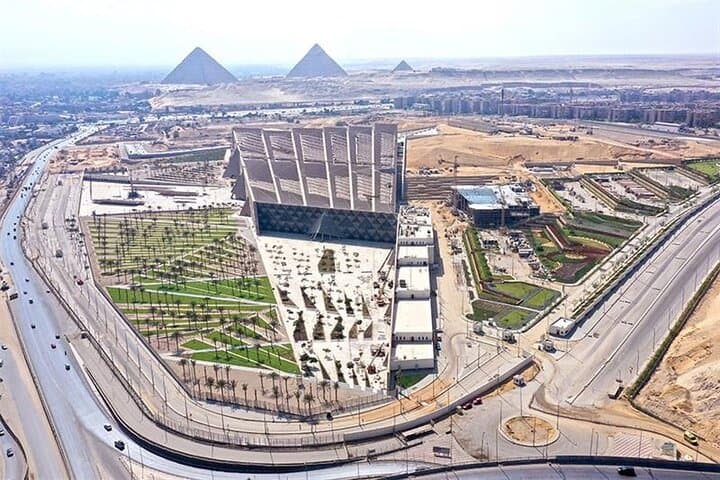
The GEM was conceived to consolidate Egypt’s pharaonic collections and present them with modern conservation and display techniques. Architecturally it orients toward the Giza Plateau, offering sightlines that frame the pyramids and place artifacts in geographic as well as chronological perspective. Expect raw geology—limestone, sandstone and red granite sculptures quarried along the Nile—displayed beside new lab spaces where conservators work publicly.
Culturally, the museum emphasizes narration: kings, rituals and daily life are arranged to clarify long timelines. Local guides add layers—trade routes, craft traditions, and how the modern Egyptian state curated these objects.
Practical guidance: this is a half-day, largely indoor visit with accessible routes and limited staircases in new galleries, but some exhibits may still be in trial-phase rotation. Bring a photocopy of your passport, wear comfortable closed shoes for walking between halls, and plan for midday heat if you’ll view exterior terraces. Photography rules can vary by room—ask your guide. A private car transfer removes logistics stress, letting you focus on stories, inscriptions and the scale of works that once moved empires.
easy.
4 hours.
Suitable for travelers of most fitness levels; requires walking and standing for extended periods.
The private tour lasts about four hours including hotel pick-up, guided time inside the museum, and return transfer.
Yes—entrance fees to the Grand Egyptian Museum are included in the tour price as stated in the itinerary.
The museum includes wheelchair-accessible routes and surfaces; confirm accessibility needs when booking to ensure appropriate pick-up and routing.
The museum is the planned home for Tutankhamun’s treasures; during trial-phase openings access may be limited, so the guide will outline which pieces are on display that day.
Built to rehouse and interpret Egypt’s pharaonic collections, the GEM centralizes artifacts previously spread across Cairo’s older museums and aims to present them with modern conservation practices.
The museum includes active conservation labs and strict handling protocols—visitors are asked not to touch exhibits and to follow signage to reduce wear and support long-term preservation.
Ma3t Tours operates guided outdoor trips and adventures with an emphasis on safety, stewardship, and memorable experiences.
Morning light slices across the museum’s pale façade as you step from the air-conditioned car and into a place built to let objects speak. Inside the Grand Egyptian Museum, bronze, stone and gold hold the cadence of centuries; a private Egyptologist guides you through concentrated galleries so you move from colossal statuary to the delicate regalia of Tutankhamun with context and cadence.
Morning light slices across the museum’s pale façade as you step from the air-conditioned car and into a place built to let objects speak. Inside the Grand Egyptian Museum, bronze, stone and gold hold the cadence of centuries; a private Egyptologist guides you through concentrated galleries so you move from colossal statuary to the delicate regalia of Tutankhamun with context and cadence.
The GEM was conceived to consolidate Egypt’s pharaonic collections and present them with modern conservation and display techniques. Architecturally it orients toward the Giza Plateau, offering sightlines that frame the pyramids and place artifacts in geographic as well as chronological perspective. Expect raw geology—limestone, sandstone and red granite sculptures quarried along the Nile—displayed beside new lab spaces where conservators work publicly.
Culturally, the museum emphasizes narration: kings, rituals and daily life are arranged to clarify long timelines. Local guides add layers—trade routes, craft traditions, and how the modern Egyptian state curated these objects.
Practical guidance: this is a half-day, largely indoor visit with accessible routes and limited staircases in new galleries, but some exhibits may still be in trial-phase rotation. Bring a photocopy of your passport, wear comfortable closed shoes for walking between halls, and plan for midday heat if you’ll view exterior terraces. Photography rules can vary by room—ask your guide. A private car transfer removes logistics stress, letting you focus on stories, inscriptions and the scale of works that once moved empires.