THE ADVENTURE COLLECTIVE® · Independent discovery and booking for outdoor travel

A private, four‑hour guided visit to the Giza Plateau that combines close views of the Great Pyramid and Sphinx with a 20‑minute camel ride and traditional lunch. Ideal for first‑time visitors wanting historical context and easy logistics.
A private, four‑hour guided visit to the Giza Plateau that combines close views of the Great Pyramid and Sphinx with a 20‑minute camel ride and traditional lunch. Ideal for first‑time visitors wanting historical context and easy logistics.
You step from an air‑conditioned vehicle onto hard sunbaked limestone and the desert breathes around the plateau, pushing grains of sand across your shoes as the three pyramids hold the light. A private guide points out the angles where builders aligned stone and sky; the Sphinx watches, quiet and immense, while the desert dares you to slow down and see the details.
Verified experiences and guided adventures in the surrounding area.
Operated by Daily Pyramids Tours · Giza, Giza Governorate
You step from an air‑conditioned vehicle onto hard sunbaked limestone and the desert breathes around the plateau, pushing grains of sand across your shoes as the three pyramids hold the light. A private guide points out the angles where builders aligned stone and sky; the Sphinx watches, quiet and immense, while the desert dares you to slow down and see the details.
The Giza Plateau is a compact sweep of Bronze‑age engineering and Pharaonic ritual. The Great Pyramid of Khufu (circa 2560 BC) remains the largest surviving monument; nearby Khafre and Menkaure read like chapters in the same massive book. The limestone bedrock here formed in an ancient shallow sea, now exposed beneath millennia of wind and human hands. Local culture weaves into visits: vendors trade papyrus prints and cotton goods, and small state‑run shops offer authentic crafts.
Practically, this four‑hour private tour balances interpretation with easy outdoor movement: expect sandy footing, short climbs on uneven paths, and a 20‑minute camel ride across dunes for a broader photographic angle. Operator services typically include pickup/dropoff, bottled water, an English‑speaking guide, and a traditional falafel lunch; confirm whether entrance tickets are included when booking. Morning or late afternoon visits keep temperatures manageable and reduce harsh shadows in photos. Wear sturdy closed shoes for sand and stone, bring sun protection and extra water, and budget time for a short shopping stop or a visit to the Papyrus Institute. With a guide, the plateau becomes less like a monument and more like a place with names, dates, and stories you can follow across the dust.
easy.
3–4 hours.
Suitable for most fitness levels; expect gentle walking on uneven, sandy and stony surfaces and brief standing periods.
Entrance fees are not always included—confirm with your operator before booking. Many private tours assist with fast‑track access but tickets may be additional.
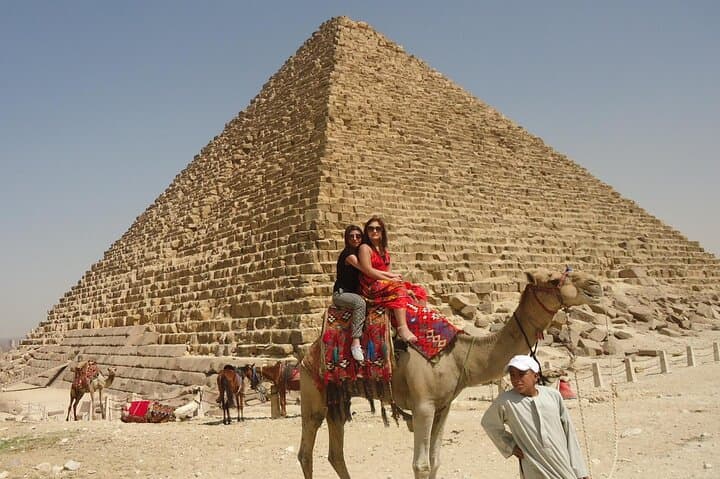
A 20‑minute camel ride is typically included and managed by local handlers; it's suitable for most children but check age/weight limits and request infant seats or safety options if needed.
Many operators advertise wheelchair and stroller accessibility for transport and certain surfaces, but access around the plateau is limited—check specifics prior to booking for door‑to‑door assistance and site access.
Early morning (sunrise–9am) or late afternoon (after 3pm) offers cooler temperatures, softer light for photos, and fewer visitors on the plateau.
The Giza complex developed during Egypt's Fourth Dynasty (c. 2600–2500 BC) and the Great Pyramid was long the tallest manmade structure on Earth; the Sphinx likely dates to Khafre's reign and was carved from a single limestone ridge.
Visitor pressure and erosion from wind and foot traffic are ongoing concerns; stick to marked paths, avoid climbing monuments, and support licensed vendors and conservation initiatives.
Daily Pyramids Tours operates guided outdoor trips and adventures with an emphasis on safety, stewardship, and memorable experiences.
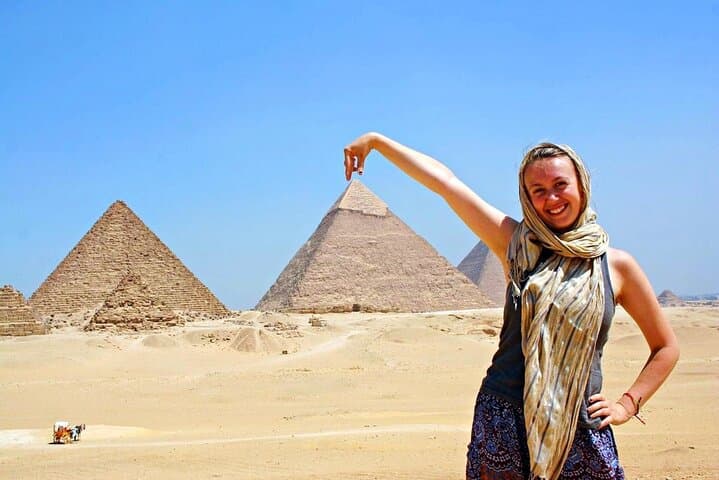
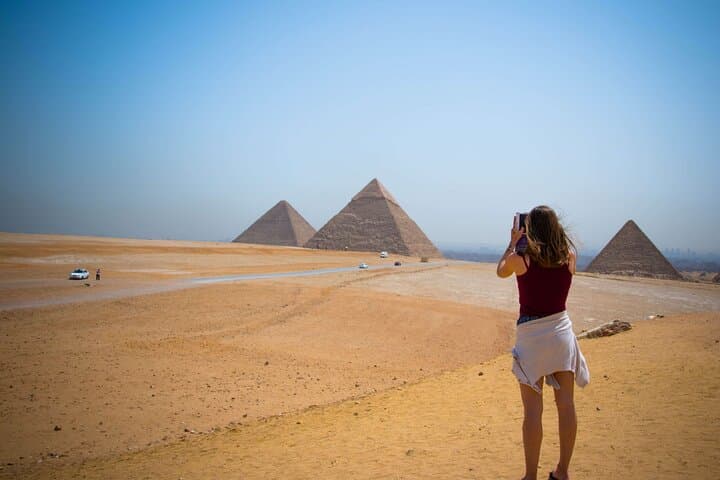
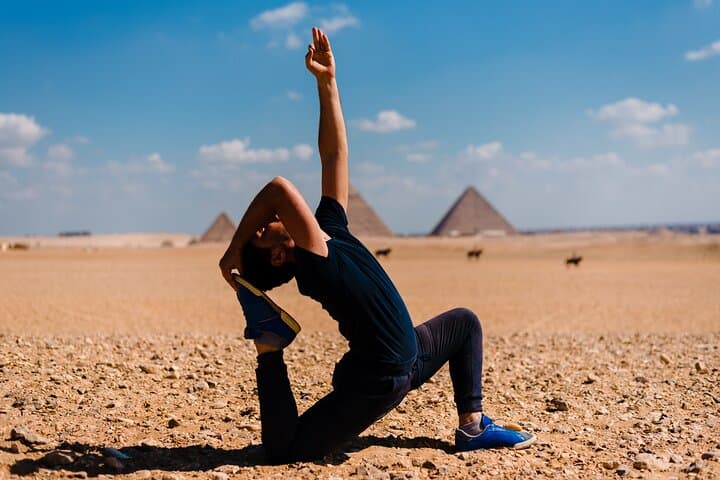
You step from an air‑conditioned vehicle onto hard sunbaked limestone and the desert breathes around the plateau, pushing grains of sand across your shoes as the three pyramids hold the light. A private guide points out the angles where builders aligned stone and sky; the Sphinx watches, quiet and immense, while the desert dares you to slow down and see the details.
You step from an air‑conditioned vehicle onto hard sunbaked limestone and the desert breathes around the plateau, pushing grains of sand across your shoes as the three pyramids hold the light. A private guide points out the angles where builders aligned stone and sky; the Sphinx watches, quiet and immense, while the desert dares you to slow down and see the details.
The Giza Plateau is a compact sweep of Bronze‑age engineering and Pharaonic ritual. The Great Pyramid of Khufu (circa 2560 BC) remains the largest surviving monument; nearby Khafre and Menkaure read like chapters in the same massive book. The limestone bedrock here formed in an ancient shallow sea, now exposed beneath millennia of wind and human hands. Local culture weaves into visits: vendors trade papyrus prints and cotton goods, and small state‑run shops offer authentic crafts.
Practically, this four‑hour private tour balances interpretation with easy outdoor movement: expect sandy footing, short climbs on uneven paths, and a 20‑minute camel ride across dunes for a broader photographic angle. Operator services typically include pickup/dropoff, bottled water, an English‑speaking guide, and a traditional falafel lunch; confirm whether entrance tickets are included when booking. Morning or late afternoon visits keep temperatures manageable and reduce harsh shadows in photos. Wear sturdy closed shoes for sand and stone, bring sun protection and extra water, and budget time for a short shopping stop or a visit to the Papyrus Institute. With a guide, the plateau becomes less like a monument and more like a place with names, dates, and stories you can follow across the dust.