THE ADVENTURE COLLECTIVE® · Independent discovery and booking for outdoor travel

Explore Sweden’s past on a guided visit to the Swedish History Museum, with an optional Vasa Museum stop to see the 17th-century warship. Small-group, accessible tours that combine Viking objects, medieval art, and maritime history.
Explore Sweden’s past on a guided visit to the Swedish History Museum, with an optional Vasa Museum stop to see the 17th-century warship. Small-group, accessible tours that combine Viking objects, medieval art, and maritime history.
Morning light falls across Narvavägen and you meet your guide at the stone facade of the Swedish History Museum, the city’s archive of iron and oak stories. Inside, the air shifts from Copenhagen-coast damp to the dry hush of display cases; Viking swords lean like quiet promises and carved saints watch from another era.
Verified experiences and guided adventures in the surrounding area.
Operated by Rosotravel - Sweden City Tours · Stockholm, Stockholm County
Morning light falls across Narvavägen and you meet your guide at the stone facade of the Swedish History Museum, the city’s archive of iron and oak stories. Inside, the air shifts from Copenhagen-coast damp to the dry hush of display cases; Viking swords lean like quiet promises and carved saints watch from another era.
The two-hour option concentrates on Sweden’s long arc — Viking raids, medieval ecclesiastical art, and objects returned from distant voyages. The four-hour itinerary adds Djurgården’s Vasa Museum, where the 1628 warship, raised from the harbor, fills a cavernous hall with intact timbers and carved ornamentation that explain Sweden’s maritime ambitions and engineering limits.
Geology and geography matter here: Stockholm’s archipelago and Baltic waters shaped trade, warfare, and settlement patterns that created the artifacts you’ll see. Cultural context appears in the Gold Room and religious carvings; your guide threads provenance, restoration methods, and social history into the tour.
Practical guide: meet at Narvavägen 13–17 on time; the guide buys Swedish History Museum tickets for you. If you choose the Vasa add-on you get skip-the-line tickets for the ticket office but still pass security. Tours are wheelchair accessible and suitable for all fitness levels. Expect 2–4 hours total, small-group limits, and bilingual guides depending on booking. Bring a charged phone for photos where allowed, and leave large bags at your hotel or the museum cloakroom to speed movement between exhibits.
This is a compact cultural expedition—close-up history with the kind of tangible detail that turns names in a guidebook into lived, material stories.
easy.
2–4 hours.
Suitable for most travelers; no special fitness needed beyond standing and short walking indoors
No — mobile or paper tickets are accepted and the guide will handle Swedish History Museum admission; Vasa skip-the-line tickets are digital.
Yes — both museums and routes described are wheelchair accessible; notify at booking for any special assistance.
The Vasa portion is typically about 60 minutes in the 4-hour option, plus transit time to Djurgården.
Photography for personal use is generally permitted, but flash and tripods may be restricted — follow signage and guide instructions.
The Vasa sank on her maiden voyage in 1628 and was salvaged in the 20th century; the Swedish History Museum collects artifacts spanning the Viking Age through modern history.
Conservation teams use controlled environments and desalination methods to preserve waterlogged timbers; visitors are asked to avoid touching exhibits to protect fragile materials.
Rosotravel - Sweden City Tours operates guided outdoor trips and adventures with an emphasis on safety, stewardship, and memorable experiences.

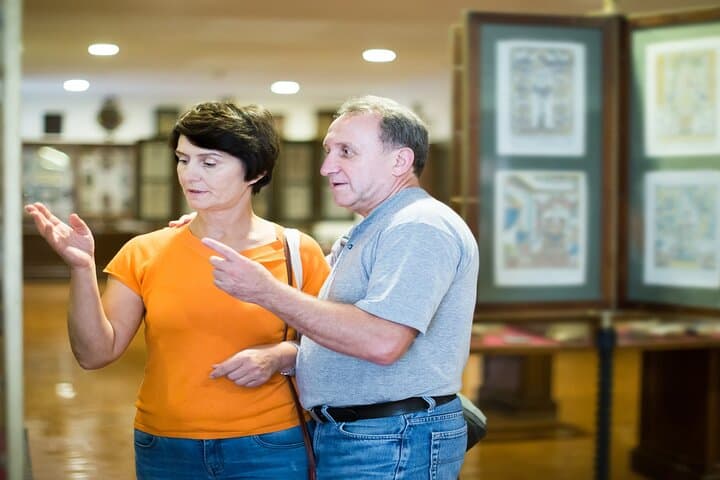
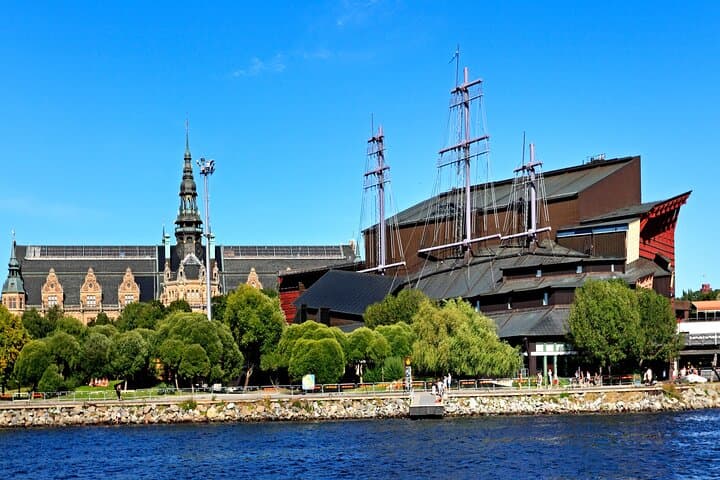

Morning light falls across Narvavägen and you meet your guide at the stone facade of the Swedish History Museum, the city’s archive of iron and oak stories. Inside, the air shifts from Copenhagen-coast damp to the dry hush of display cases; Viking swords lean like quiet promises and carved saints watch from another era.
Morning light falls across Narvavägen and you meet your guide at the stone facade of the Swedish History Museum, the city’s archive of iron and oak stories. Inside, the air shifts from Copenhagen-coast damp to the dry hush of display cases; Viking swords lean like quiet promises and carved saints watch from another era.
The two-hour option concentrates on Sweden’s long arc — Viking raids, medieval ecclesiastical art, and objects returned from distant voyages. The four-hour itinerary adds Djurgården’s Vasa Museum, where the 1628 warship, raised from the harbor, fills a cavernous hall with intact timbers and carved ornamentation that explain Sweden’s maritime ambitions and engineering limits.
Geology and geography matter here: Stockholm’s archipelago and Baltic waters shaped trade, warfare, and settlement patterns that created the artifacts you’ll see. Cultural context appears in the Gold Room and religious carvings; your guide threads provenance, restoration methods, and social history into the tour.
Practical guide: meet at Narvavägen 13–17 on time; the guide buys Swedish History Museum tickets for you. If you choose the Vasa add-on you get skip-the-line tickets for the ticket office but still pass security. Tours are wheelchair accessible and suitable for all fitness levels. Expect 2–4 hours total, small-group limits, and bilingual guides depending on booking. Bring a charged phone for photos where allowed, and leave large bags at your hotel or the museum cloakroom to speed movement between exhibits.
This is a compact cultural expedition—close-up history with the kind of tangible detail that turns names in a guidebook into lived, material stories.