THE ADVENTURE COLLECTIVE® · Independent discovery and booking for outdoor travel

Start your day with breakfast in Old Delhi before a private guided walk through the Red Fort’s halls, palaces, and courtyards. This 3-hour tour mixes Mughal history, striking sandstone architecture, and practical logistics like hotel pickup and an English-speaking guide.
Start your day with breakfast in Old Delhi before a private guided walk through the Red Fort’s halls, palaces, and courtyards. This 3-hour tour mixes Mughal history, striking sandstone architecture, and practical logistics like hotel pickup and an English-speaking guide.
Morning in Old Delhi begins with the rattle of cycle rickshaws and the smell of frying spices; your driver slips through backstreets and drops you near the Lahori Gate, where the Red Fort rises in blocks of warm sandstone that catch the sun.
Verified experiences and guided adventures in the surrounding area.
Operated by SITA World Tours · Delhi, Delhi
Morning in Old Delhi begins with the rattle of cycle rickshaws and the smell of frying spices; your driver slips through backstreets and drops you near the Lahori Gate, where the Red Fort rises in blocks of warm sandstone that catch the sun.
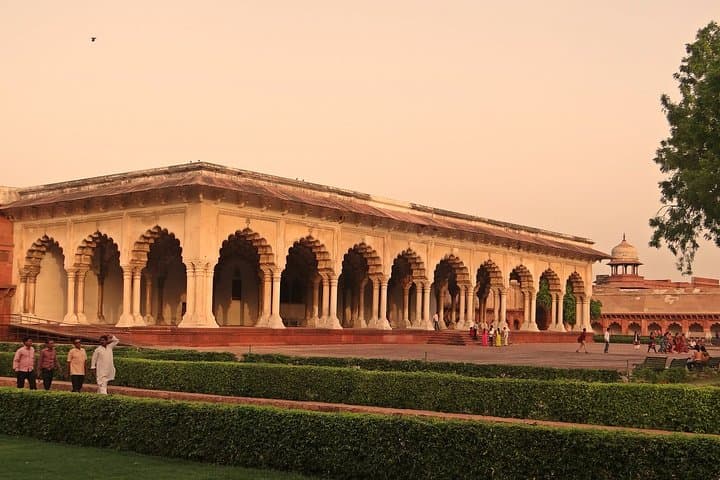
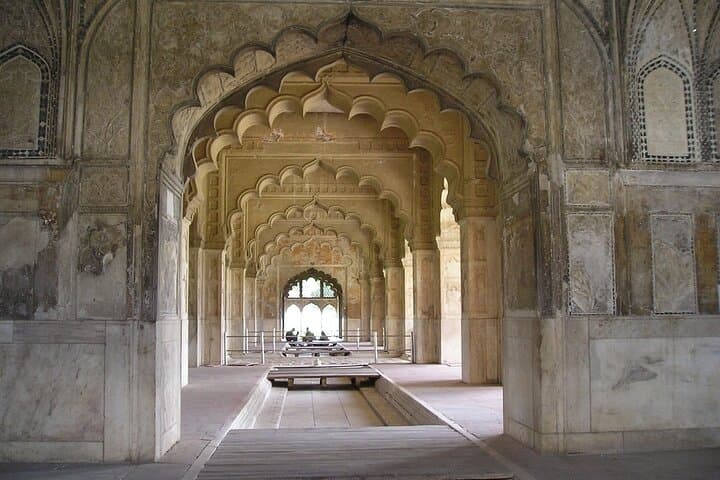
The tour opens with breakfast at a nearby eatery — a quiet moment of chai and parathas before you step into 17th-century imperial ambition. Built by Shah Jahan in 1648, the fort’s red sandstone walls anchor a compact city of halls, private chambers and pavilions. Inside, the Diwan-i-Am and Diwan-i-Khas show where public audience and private counsel unfolded; nearby, the Mumtaz Mahal and Rang Mahal recall the daily lives of the court.
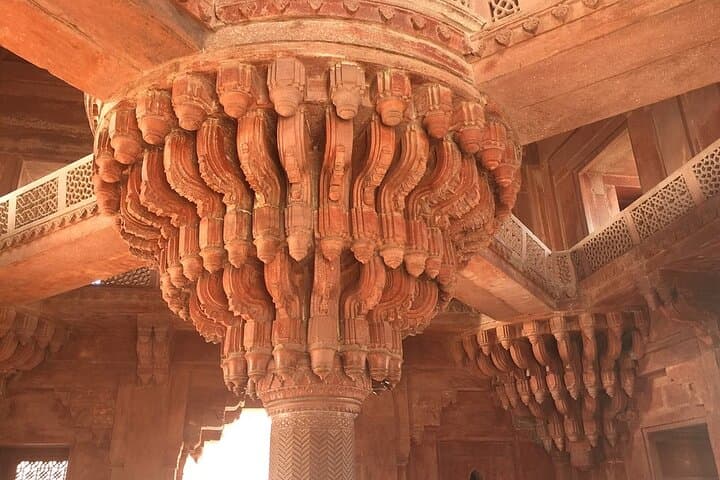
Geology and design meet here: the local sandstone gives the fort its name and durability, while Persian and Timurid influences shape arches, jali screens and water channels — the Stream of Paradise once threaded pavilions now echoing with footfall.
History turns visible where British soldiers converted parts of the complex after 1857, and the fort remains a national stage, hosting Independence Day ceremonies each August.
Practical rhythm: expect roughly three hours of moderate walking over paved courtyards and steps, with museum-style security checks and some uneven thresholds. The included private transfer and English-speaking guide simplify logistics, but entrance tickets are handled separately. Bring a hat, comfortable shoes, and patience for crowds at peak times. Morning tours dodge Delhi heat and offer the clearest light for photography; keep valuables secure and be ready to step aside during public events.
moderate.
3 hours.
Suitable for travelers with moderate fitness—able to walk and stand for stretches and navigate steps.
No — admission is not included in this tour; your guide or driver will advise where to buy tickets before entry.
The fort has uneven surfaces and steps and is not fully wheelchair accessible; travelers with mobility issues should inquire ahead.
Breakfast options typically include vegetarian dishes; notify booking of dietary preferences so the guide can accommodate them.
The tour runs about three hours total including pickup, breakfast, and the guided walk through the fort’s principal halls and palaces.
Constructed under Shah Jahan in 1648, the Red Fort was the Mughal power center and later a British garrison after the 1857 uprising.
The Archaeological Survey of India manages restoration; visitors help by following signage, avoiding climbing on structures, and minimizing litter.
SITA World Tours operates guided outdoor trips and adventures with an emphasis on safety, stewardship, and memorable experiences.
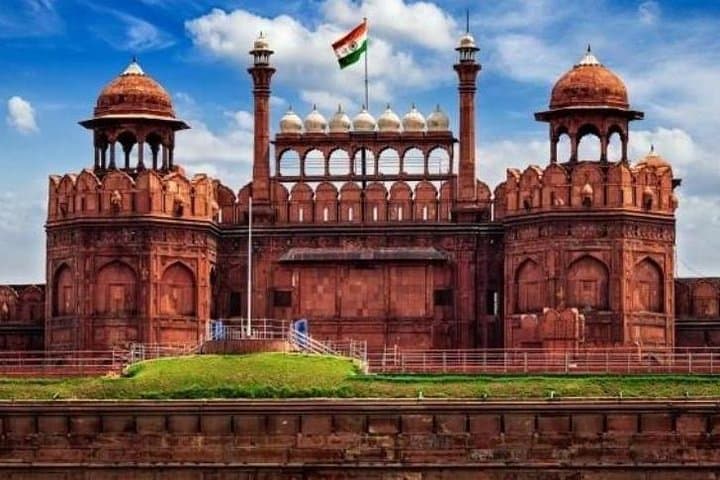
Morning in Old Delhi begins with the rattle of cycle rickshaws and the smell of frying spices; your driver slips through backstreets and drops you near the Lahori Gate, where the Red Fort rises in blocks of warm sandstone that catch the sun.
Morning in Old Delhi begins with the rattle of cycle rickshaws and the smell of frying spices; your driver slips through backstreets and drops you near the Lahori Gate, where the Red Fort rises in blocks of warm sandstone that catch the sun.
The tour opens with breakfast at a nearby eatery — a quiet moment of chai and parathas before you step into 17th-century imperial ambition. Built by Shah Jahan in 1648, the fort’s red sandstone walls anchor a compact city of halls, private chambers and pavilions. Inside, the Diwan-i-Am and Diwan-i-Khas show where public audience and private counsel unfolded; nearby, the Mumtaz Mahal and Rang Mahal recall the daily lives of the court.
Geology and design meet here: the local sandstone gives the fort its name and durability, while Persian and Timurid influences shape arches, jali screens and water channels — the Stream of Paradise once threaded pavilions now echoing with footfall.
History turns visible where British soldiers converted parts of the complex after 1857, and the fort remains a national stage, hosting Independence Day ceremonies each August.
Practical rhythm: expect roughly three hours of moderate walking over paved courtyards and steps, with museum-style security checks and some uneven thresholds. The included private transfer and English-speaking guide simplify logistics, but entrance tickets are handled separately. Bring a hat, comfortable shoes, and patience for crowds at peak times. Morning tours dodge Delhi heat and offer the clearest light for photography; keep valuables secure and be ready to step aside during public events.