THE ADVENTURE COLLECTIVE® · Independent discovery and booking for outdoor travel

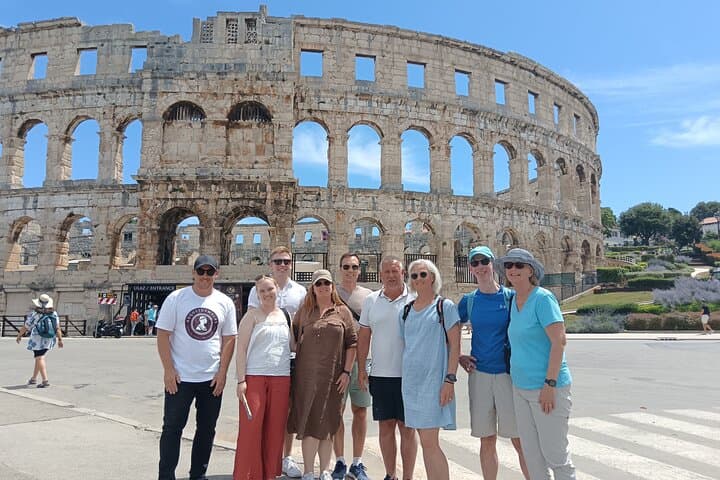
Walk where gladiators once fought on a private, guided exploration of Pula Arena. This one-hour tour brings you into the amphitheater, underground tunnels and high viewpoints with stories from a local expert.
Walk where gladiators once fought on a private, guided exploration of Pula Arena. This one-hour tour brings you into the amphitheater, underground tunnels and high viewpoints with stories from a local expert.
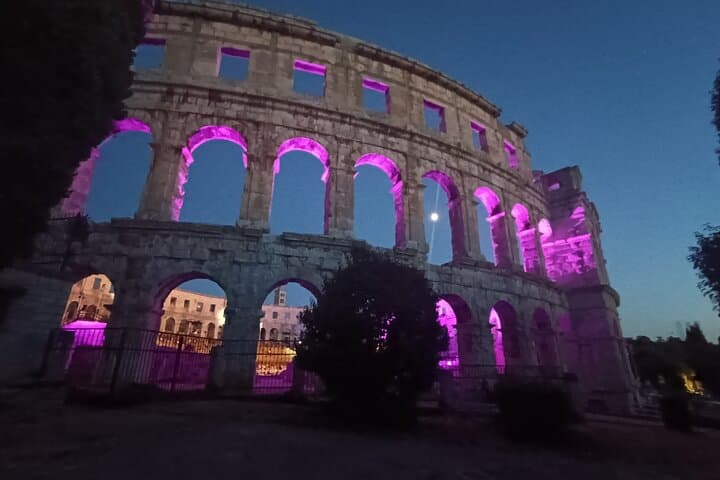
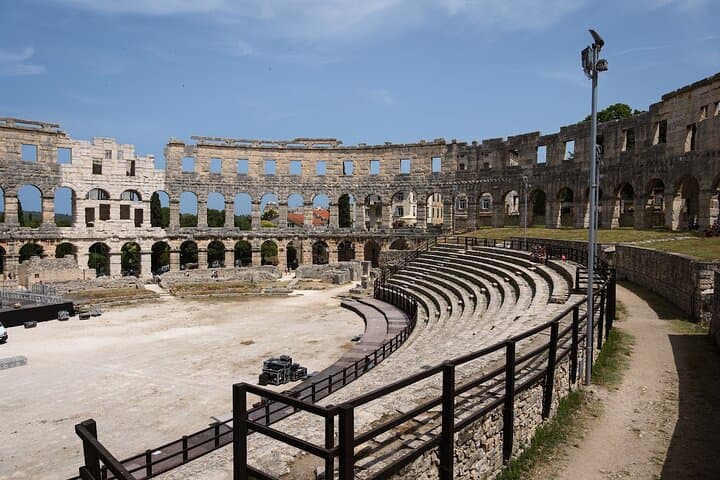
You step through a massive limestone arch and the air narrows into a circle of stone—warm, rough blocks under your palm, the city of Pula unfolding beyond the outer wall like a coastal map. The Arena’s arena floor opens up beneath your feet; seats rise in rings around you, and the Adriatic light gathers on the highest rows.
Verified experiences and guided adventures in the surrounding area.
Operated by Walking Tour Pula with a local - Augustus Walks · Pula, Istria
You step through a massive limestone arch and the air narrows into a circle of stone—warm, rough blocks under your palm, the city of Pula unfolding beyond the outer wall like a coastal map. The Arena’s arena floor opens up beneath your feet; seats rise in rings around you, and the Adriatic light gathers on the highest rows.
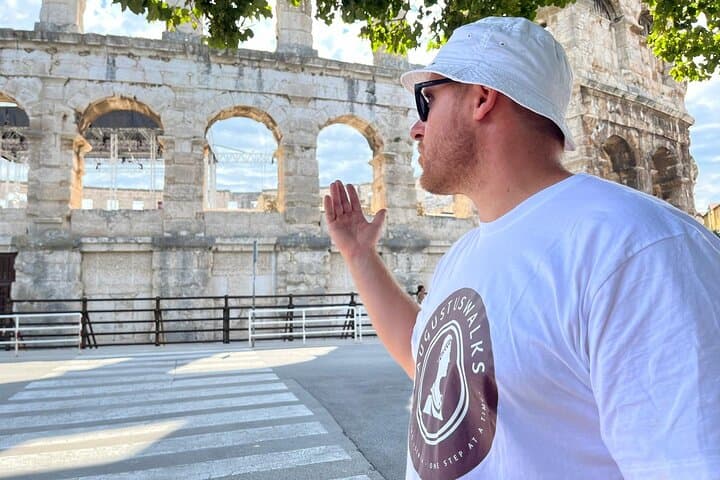
Built in the 1st century AD, the Pula Arena is one of the best-preserved Roman amphitheaters in the world. Its Istrian limestone keeps the imprint of centuries: Roman engineering, medieval reuse, Venetian repair and 20th‑century restorations all layered into the stones. Your guide—often a local history teacher or archaeologist—anchors the visit with stories of gladiatorial games, medieval fairs and how the arena was integrated into Pula’s port-city life.
Geologically simple but regionally distinctive, the arena sits on gently sloping karst terrain that feeds runoff to the Adriatic; nearby quarries supplied the pale stone. The site remains alive: concerts and cultural events use the same geometry that once amplified voices and clashing swords.
Practical side: the private format lets you linger at the highest vantage points for panoramic views of tiled roofs and sea. Expect stairs and narrow tunnels—underground passages where gladiators and animals waited—and bring comfortable shoes and a water bottle. Tours last about an hour; mornings and late afternoons avoid peak sun and crowds. Tickets are included with the booking; follow local signage and your guide’s instructions to respect the monument and other visitors.
moderate.
60 minutes.
Guests should be comfortable climbing stairs and walking on uneven stone surfaces for an hour; moderate mobility is required.
Yes — the listing includes the Arena ticket, so you won’t need to buy separate entry on site.
Yes — the tour typically includes access to the tunnels where gladiators and animals were kept, though access can be limited for conservation or safety reasons.
Infants and small children can use strollers, but expect stairs and tight spaces; parents should assess mobility for young children in tunnels and on steps.
Service animals are allowed, but confirm any specific arrangements at booking and follow guide instructions inside the monument.
Constructed in the 1st century AD under Emperor Vespasian, the Amphitheatre served as a hub for gladiatorial contests and civic events and later adapted through medieval and Venetian periods.
Ongoing preservation focuses on reducing visitor wear on original stone and managing coastal humidity; visitors are asked to stay on marked paths to protect the fabric of the monument.
Walking Tour Pula with a local - Augustus Walks operates guided outdoor trips and adventures with an emphasis on safety, stewardship, and memorable experiences.
You step through a massive limestone arch and the air narrows into a circle of stone—warm, rough blocks under your palm, the city of Pula unfolding beyond the outer wall like a coastal map. The Arena’s arena floor opens up beneath your feet; seats rise in rings around you, and the Adriatic light gathers on the highest rows.
You step through a massive limestone arch and the air narrows into a circle of stone—warm, rough blocks under your palm, the city of Pula unfolding beyond the outer wall like a coastal map. The Arena’s arena floor opens up beneath your feet; seats rise in rings around you, and the Adriatic light gathers on the highest rows.
Built in the 1st century AD, the Pula Arena is one of the best-preserved Roman amphitheaters in the world. Its Istrian limestone keeps the imprint of centuries: Roman engineering, medieval reuse, Venetian repair and 20th‑century restorations all layered into the stones. Your guide—often a local history teacher or archaeologist—anchors the visit with stories of gladiatorial games, medieval fairs and how the arena was integrated into Pula’s port-city life.
Geologically simple but regionally distinctive, the arena sits on gently sloping karst terrain that feeds runoff to the Adriatic; nearby quarries supplied the pale stone. The site remains alive: concerts and cultural events use the same geometry that once amplified voices and clashing swords.
Practical side: the private format lets you linger at the highest vantage points for panoramic views of tiled roofs and sea. Expect stairs and narrow tunnels—underground passages where gladiators and animals waited—and bring comfortable shoes and a water bottle. Tours last about an hour; mornings and late afternoons avoid peak sun and crowds. Tickets are included with the booking; follow local signage and your guide’s instructions to respect the monument and other visitors.