THE ADVENTURE COLLECTIVE® · Independent discovery and booking for outdoor travel

Experience Mosi-oa-Tunya from the Zimbabwe side with a private guide who navigates viewpoints, history, and geology while managing logistics. Expect mist-swept panoramas, basalt gorges, and close-up views of the Knife-Edge Bridge and Boiling Pot.
Experience Mosi-oa-Tunya from the Zimbabwe side with a private guide who navigates viewpoints, history, and geology while managing logistics. Expect mist-swept panoramas, basalt gorges, and close-up views of the Knife-Edge Bridge and Boiling Pot.
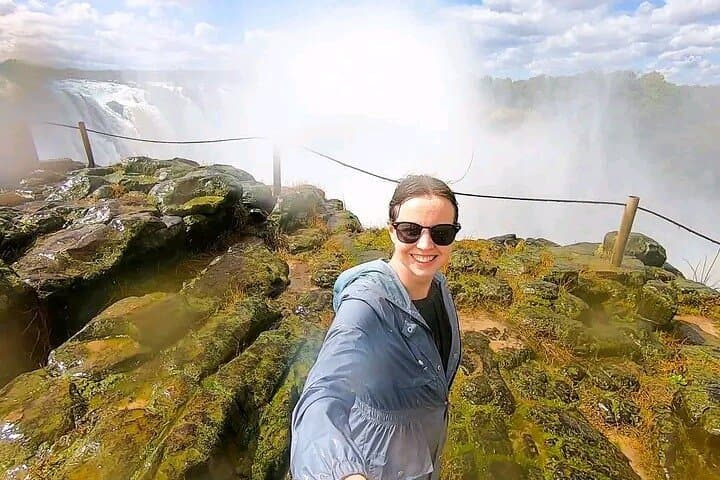
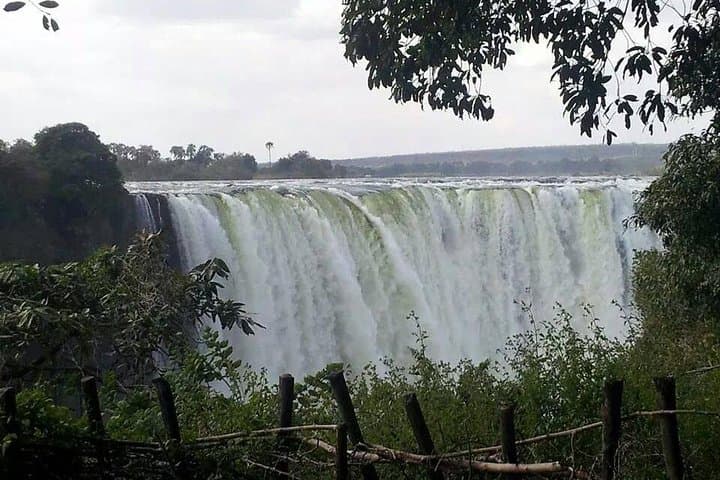
You arrive at the rim of Victoria Falls to a roar that fills the air before you see the curtain of water. Mist lifts in sheets, sunlight fractures into rainbows, and the Zambezi River prowls toward the Knife-Edge Bridge as if testing the drop ahead. A local guide walks beside you, pointing out viewpoints where water gashes the basalt and where the river narrows into the Boiling Pot below.
Verified experiences and guided adventures in the surrounding area.
Operated by Little Roz Travel Tours · Victoria Falls, Matabeleland North Province
You arrive at the rim of Victoria Falls to a roar that fills the air before you see the curtain of water. Mist lifts in sheets, sunlight fractures into rainbows, and the Zambezi River prowls toward the Knife-Edge Bridge as if testing the drop ahead. A local guide walks beside you, pointing out viewpoints where water gashes the basalt and where the river narrows into the Boiling Pot below.
Geology and history are part of the route: the falls sit on a faulted basalt plateau carved by repeated lava flows and sculpted by the Zambezi over millennia. The Kololo name Mosi-oa-Tunya—"The Smoke that Thunders"—speaks to both sound and cultural meaning; this place has been a crossroads for Tonga and Kololo peoples and later Victorian-era explorers. Victoria Falls Bridge and the colonial-era viewpoints offer different angles on the gorge and the colonial transport history that shaped the region.
On a guided walk from the Zimbabwe side you’ll hit Knife-Edge Bridge, the Eastern Cataract, and lookout points that peer into Batoka Gorge. Expect paved and rocky paths, frequent spray that soaks outer layers, and short, steep sections near viewpoints. Practical tips: bring closed shoes with good grip, a waterproof layer, and a camera you can protect from mist. Plan for 3–4 hours including short stops; mid-morning or late afternoon light gives the best visibility and rainbows. Your guide handles park logistics and ferrying between viewpoints, leaving you to focus on the scale and power of the falls.
easy.
3–4 hours.
Suitable for most fitness levels; requires ability to walk paved and rocky paths with short steep sections and stairs.
The private guided visit typically lasts about 3–4 hours, covering main viewpoints including Knife-Edge Bridge and the Boiling Pot.
Visa requirements depend on nationality—check Zimbabwe’s entry rules before travel and confirm whether a visa on arrival applies to you.
Some viewpoints use paved paths with gentle grades, but steep sections and steps at several lookouts limit full wheelchair access—check specific accessibility options with your operator.
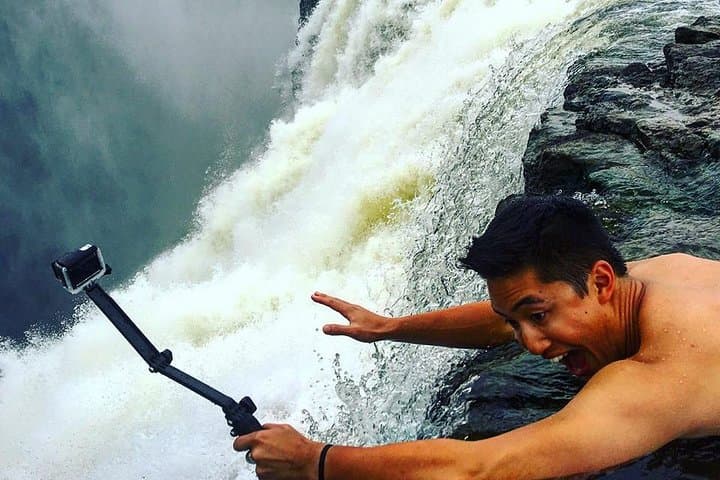
Devil’s Pool access is seasonal and depends on water levels and operator permissions; your guide will advise whether it’s safe and available during your visit.
The falls have long cultural significance to local Tonga and Kololo peoples and were later documented by 19th-century explorers; the Victoria Falls Bridge (1905) connects colonial transport history with the gorge.
Victoria Falls National Park enforces park fees and defined trails to protect riparian vegetation and cliff-nesting birds; minimize single-use plastics and stay on marked paths to reduce erosion.
Little Roz Travel Tours operates guided outdoor trips and adventures with an emphasis on safety, stewardship, and memorable experiences.

You arrive at the rim of Victoria Falls to a roar that fills the air before you see the curtain of water. Mist lifts in sheets, sunlight fractures into rainbows, and the Zambezi River prowls toward the Knife-Edge Bridge as if testing the drop ahead. A local guide walks beside you, pointing out viewpoints where water gashes the basalt and where the river narrows into the Boiling Pot below.
You arrive at the rim of Victoria Falls to a roar that fills the air before you see the curtain of water. Mist lifts in sheets, sunlight fractures into rainbows, and the Zambezi River prowls toward the Knife-Edge Bridge as if testing the drop ahead. A local guide walks beside you, pointing out viewpoints where water gashes the basalt and where the river narrows into the Boiling Pot below.
Geology and history are part of the route: the falls sit on a faulted basalt plateau carved by repeated lava flows and sculpted by the Zambezi over millennia. The Kololo name Mosi-oa-Tunya—"The Smoke that Thunders"—speaks to both sound and cultural meaning; this place has been a crossroads for Tonga and Kololo peoples and later Victorian-era explorers. Victoria Falls Bridge and the colonial-era viewpoints offer different angles on the gorge and the colonial transport history that shaped the region.
On a guided walk from the Zimbabwe side you’ll hit Knife-Edge Bridge, the Eastern Cataract, and lookout points that peer into Batoka Gorge. Expect paved and rocky paths, frequent spray that soaks outer layers, and short, steep sections near viewpoints. Practical tips: bring closed shoes with good grip, a waterproof layer, and a camera you can protect from mist. Plan for 3–4 hours including short stops; mid-morning or late afternoon light gives the best visibility and rainbows. Your guide handles park logistics and ferrying between viewpoints, leaving you to focus on the scale and power of the falls.