THE ADVENTURE COLLECTIVE® · Independent discovery and booking for outdoor travel

Walk the cliff edge where Maya temples meet the Caribbean. This private, certified-guided tour condenses excavation, astronomy, and coastal geology into a focused 50-minute experience with practical tips on timing, entrance fees, and what to bring.
Walk the cliff edge where Maya temples meet the Caribbean. This private, certified-guided tour condenses excavation, astronomy, and coastal geology into a focused 50-minute experience with practical tips on timing, entrance fees, and what to bring.
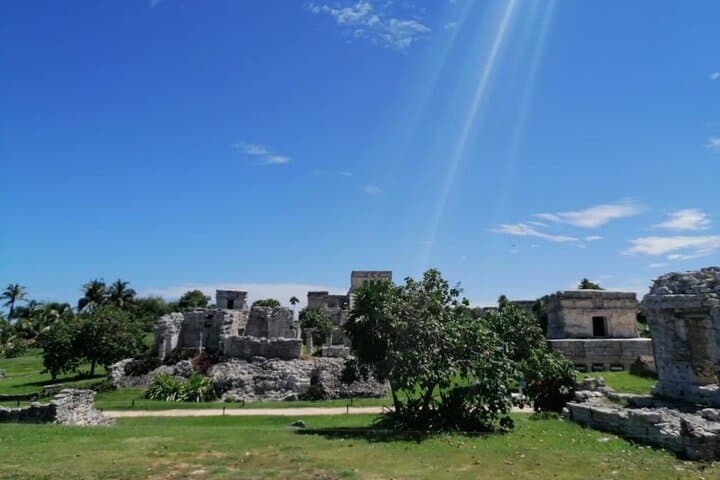
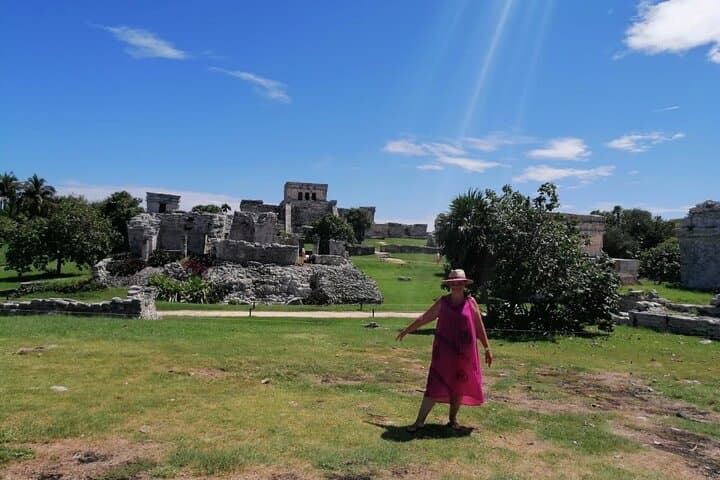
You step through a low stone arch and the Caribbean opens up like a pale wall of glass, the wind pulling at your shirt as the cliffs drop away to the sea. A certified guide falls into step, voice low and exact, pointing out the square silhouette of El Castillo clinging to the bluff while frigatebirds wheel over the water.
Verified experiences and guided adventures in the surrounding area.
Operated by RoTours · Tulum, Quintana Roo
You step through a low stone arch and the Caribbean opens up like a pale wall of glass, the wind pulling at your shirt as the cliffs drop away to the sea. A certified guide falls into step, voice low and exact, pointing out the square silhouette of El Castillo clinging to the bluff while frigatebirds wheel over the water.
Tulum began as a Late Postclassic Maya port — a fortified coastal hub for trade in salt, fish and turquoise. The limestone cliffs are coral reef turned rock; wave-built strata and fossilized shells stand beneath plastered temples. Cultural layers here are obvious: ceremonial plazas, watchtowers, and murals tied to Maya astronomy and coastal lifeways.
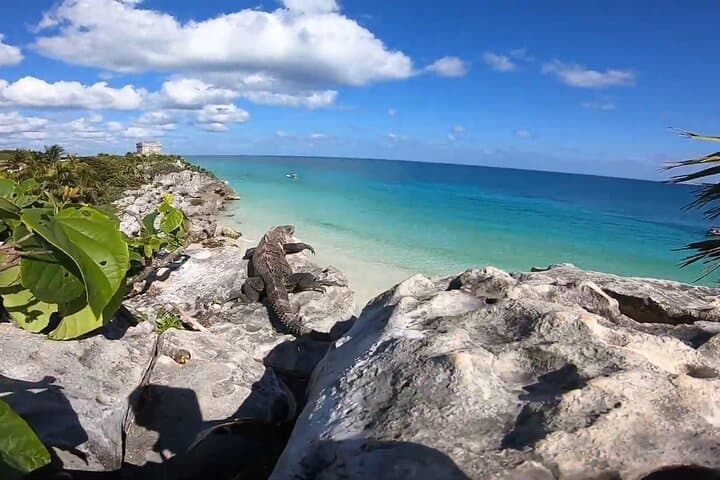
A private guide compresses that context into a focused 45–60 minute walk: architectural themes, the site's real name, and why the Maya oriented structures toward seasonal sun positions. Local insights include the cliffside beach below El Castillo and quieter viewing points off the main path where iguanas sunbathe.
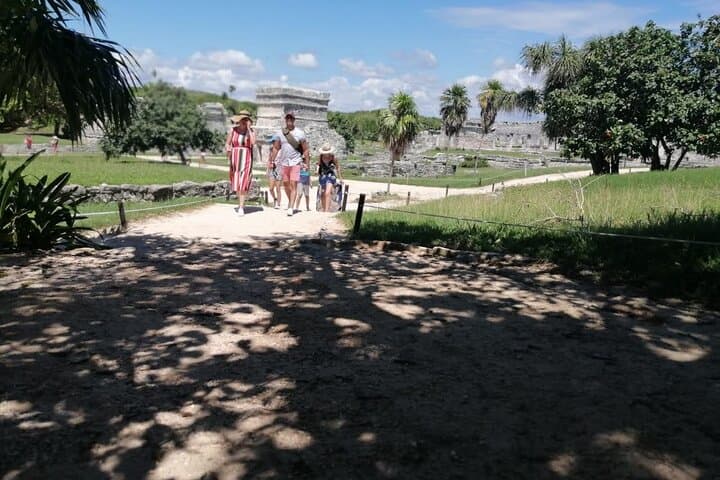
Practical notes: federal admission is paid at the government box office on arrival and can vary by nationality. The site is largely level but includes uneven stone and short steps; sun exposure is intense—bring water, sun protection, and steady shoes. Morning visits avoid heat and cruise-ship surges. Respect ropes and signs — climbing is prohibited and conservation rules are enforced to protect fragile murals and nesting birds.
A private tour tightens the story: less time in line, more targeted interpretation, and the freedom to ask detailed questions about archaeology, geology and modern Maya culture.
easy.
45–60 minutes.
Suitable for most people; requires short periods of walking and standing on uneven surfaces
The guided visit is approximately 50 minutes; private bookings focus on key structures with time to ask questions.
Federal admission is paid at the government box office on arrival and can vary by nationality—bring cash or card.
Certain paths and viewing areas are accessible and the tour notes indicate wheelchair accessibility, but some steps and uneven ground remain.
Climbing temples is prohibited to protect fragile structures; the small beach beneath El Castillo is accessible but conditions change with tides and safety varies.
Tulum was a Late Postclassic Maya walled port city important for coastal trade and astronomy; many structures reflect ritual and navigational functions tied to the sea.
Visitors must stay on marked paths and respect no-climb rules to protect murals, nesting birds, and fragile limestone surfaces; bring out what you bring in.
RoTours operates guided outdoor trips and adventures with an emphasis on safety, stewardship, and memorable experiences.
You step through a low stone arch and the Caribbean opens up like a pale wall of glass, the wind pulling at your shirt as the cliffs drop away to the sea. A certified guide falls into step, voice low and exact, pointing out the square silhouette of El Castillo clinging to the bluff while frigatebirds wheel over the water.
You step through a low stone arch and the Caribbean opens up like a pale wall of glass, the wind pulling at your shirt as the cliffs drop away to the sea. A certified guide falls into step, voice low and exact, pointing out the square silhouette of El Castillo clinging to the bluff while frigatebirds wheel over the water.
Tulum began as a Late Postclassic Maya port — a fortified coastal hub for trade in salt, fish and turquoise. The limestone cliffs are coral reef turned rock; wave-built strata and fossilized shells stand beneath plastered temples. Cultural layers here are obvious: ceremonial plazas, watchtowers, and murals tied to Maya astronomy and coastal lifeways.
A private guide compresses that context into a focused 45–60 minute walk: architectural themes, the site's real name, and why the Maya oriented structures toward seasonal sun positions. Local insights include the cliffside beach below El Castillo and quieter viewing points off the main path where iguanas sunbathe.
Practical notes: federal admission is paid at the government box office on arrival and can vary by nationality. The site is largely level but includes uneven stone and short steps; sun exposure is intense—bring water, sun protection, and steady shoes. Morning visits avoid heat and cruise-ship surges. Respect ropes and signs — climbing is prohibited and conservation rules are enforced to protect fragile murals and nesting birds.
A private tour tightens the story: less time in line, more targeted interpretation, and the freedom to ask detailed questions about archaeology, geology and modern Maya culture.