THE ADVENTURE COLLECTIVE® · Independent discovery and booking for outdoor travel

Explore the British Museum with a private expert guide on a tailored 2–3 hour tour. See the Rosetta Stone, Parthenon sculptures and hidden highlights while learning the histories and controversies behind them.
Explore the British Museum with a private expert guide on a tailored 2–3 hour tour. See the Rosetta Stone, Parthenon sculptures and hidden highlights while learning the histories and controversies behind them.
You step off Great Russell Street into a vaulted glass court where filtered light pools on stone and a guide’s voice threads a narrative through carved faces and cold bronze.
Verified experiences and guided adventures in the surrounding area.
Operated by Tour Up in Europe · London, Greater London
You step off Great Russell Street into a vaulted glass court where filtered light pools on stone and a guide’s voice threads a narrative through carved faces and cold bronze.
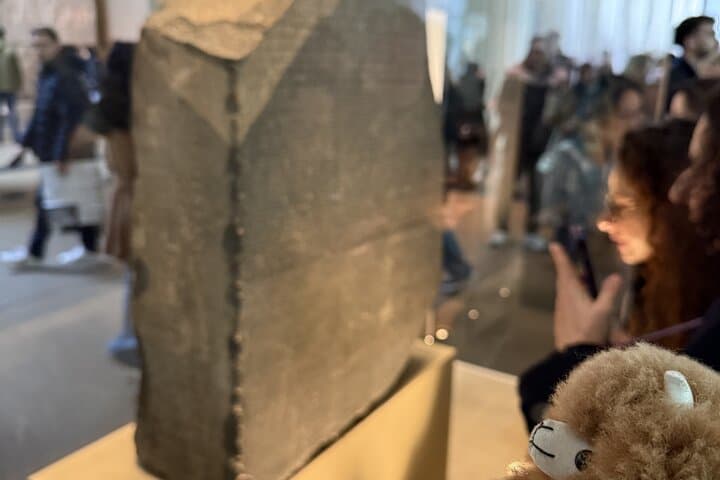
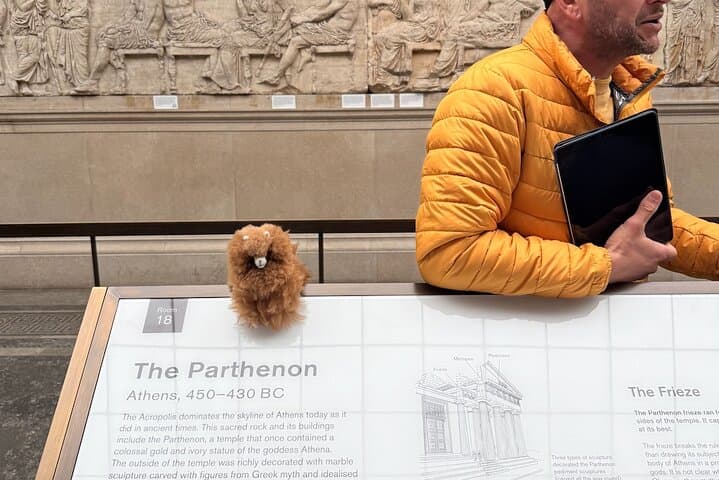
In two to three hours a private guide moves you from Egypt’s black basalt Rosetta Stone to the white marble fragments of the Parthenon, laying out not just dates and dynasties but the controversies — ownership, display, and the ethics of collecting — that have followed these objects for centuries.
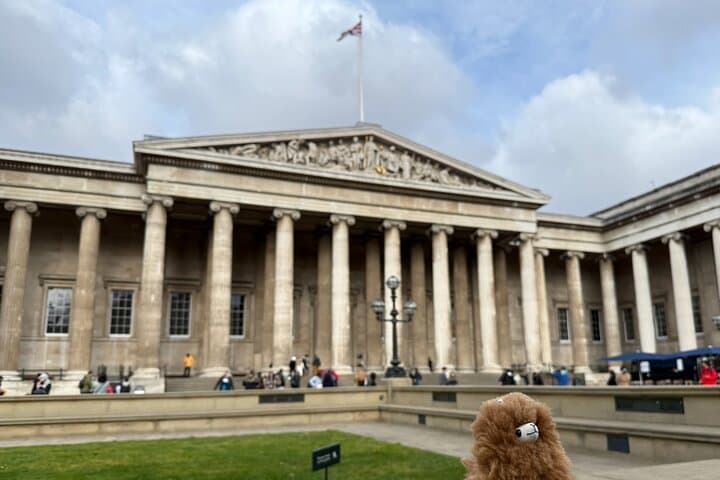
The British Museum opened to the public in 1759 from a single private collection; its galleries now span Mesopotamia, Rome, Greece and more, arranged both by geography and the Enlightenment-era impulse to catalogue human achievement.
Expect stone corridors, compact display cases of small valuables (like netsuke and coins), and large showpieces that silence a room. The Enlightenment Gallery rewards slow reading; the Egyptian galleries are best visited early to avoid bottlenecks. Guides tailor the visit to your interests — archaeology, empire history, or conservation — and explain why some objects are disputed and others celebrated.
Practicalities: book the private slot in advance (mobile ticket accepted), allow 2–3 hours, and arrive with a small bag (security checks are routine). Photography rules vary by object; flash and tripods are restricted. The museum is wheelchair accessible and offers languages on request; check cancellation rules (full refund if canceled 24 hours ahead). A smart visit balances curiosity with patience: linger at a case, then move on to let others in.
easy.
2–3 hours.
Suitable for all fitness levels; involves standing and moderate walking on hard floors
The tour runs approximately 2–3 hours and is paced to your interests; guides can shorten or extend certain sections if arranged in advance.
You can receive a full refund if you cancel at least 24 hours before the scheduled departure time.
Yes — the British Museum provides step-free access, elevators, and accessible routes; notify booking of any needs so arrangements can be confirmed.
Photography without flash is generally permitted for most galleries, but some objects or temporary exhibitions restrict photography; follow signage and your guide’s advice.
Founded from Sir Hans Sloane’s collection and opened in 1759, the British Museum was one of the world’s first public museums and shaped modern ideas about national collections.
The museum balances public access with conservation through strict climate controls and rotation of sensitive objects; visitors are encouraged to follow rules that protect fragile materials.
Tour Up in Europe operates guided outdoor trips and adventures with an emphasis on safety, stewardship, and memorable experiences.
You step off Great Russell Street into a vaulted glass court where filtered light pools on stone and a guide’s voice threads a narrative through carved faces and cold bronze.
You step off Great Russell Street into a vaulted glass court where filtered light pools on stone and a guide’s voice threads a narrative through carved faces and cold bronze.
In two to three hours a private guide moves you from Egypt’s black basalt Rosetta Stone to the white marble fragments of the Parthenon, laying out not just dates and dynasties but the controversies — ownership, display, and the ethics of collecting — that have followed these objects for centuries.
The British Museum opened to the public in 1759 from a single private collection; its galleries now span Mesopotamia, Rome, Greece and more, arranged both by geography and the Enlightenment-era impulse to catalogue human achievement.
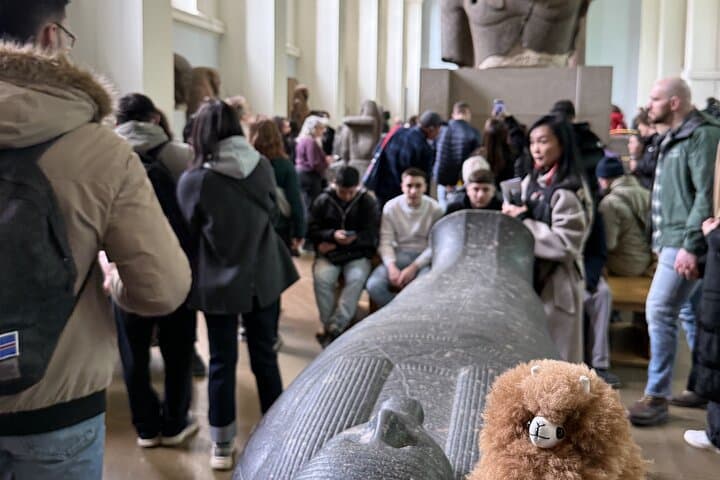
Expect stone corridors, compact display cases of small valuables (like netsuke and coins), and large showpieces that silence a room. The Enlightenment Gallery rewards slow reading; the Egyptian galleries are best visited early to avoid bottlenecks. Guides tailor the visit to your interests — archaeology, empire history, or conservation — and explain why some objects are disputed and others celebrated.
Practicalities: book the private slot in advance (mobile ticket accepted), allow 2–3 hours, and arrive with a small bag (security checks are routine). Photography rules vary by object; flash and tripods are restricted. The museum is wheelchair accessible and offers languages on request; check cancellation rules (full refund if canceled 24 hours ahead). A smart visit balances curiosity with patience: linger at a case, then move on to let others in.