THE ADVENTURE COLLECTIVE® · Independent discovery and booking for outdoor travel

Explore the buried streets of Pompeii with an archaeologist on a private 2.5-hour walk. Learn the daily life, geology and dramatic history preserved beneath volcanic ash while getting practical tips for navigating uneven Roman streets.
Explore the buried streets of Pompeii with an archaeologist on a private 2.5-hour walk. Learn the daily life, geology and dramatic history preserved beneath volcanic ash while getting practical tips for navigating uneven Roman streets.
You step through a low arch and the modern world contracts to stone and dust: a straight Roman street, flanked by low shopfronts, leads your group past a collapsed mosaic and the echo of voices that lived here two thousand years ago.
Verified experiences and guided adventures in the surrounding area.
Operated by Around Amalfi coast · Pompeii, Campania
You step through a low arch and the modern world contracts to stone and dust: a straight Roman street, flanked by low shopfronts, leads your group past a collapsed mosaic and the echo of voices that lived here two thousand years ago.
Pompeii is a city frozen by the AD 79 eruption of Vesuvius—the pyroclastic flows and ash that buried streets and preserved frescoes. Walking these lanes with a professional archaeologist reframes the ruins: walls stop being rubble and become houses, artisans’ workshops and temples. Expect detailed explanations of construction techniques, the daily rituals in baths and bakeries, and the grim geology that turned a thriving port into a fossilized snapshot.
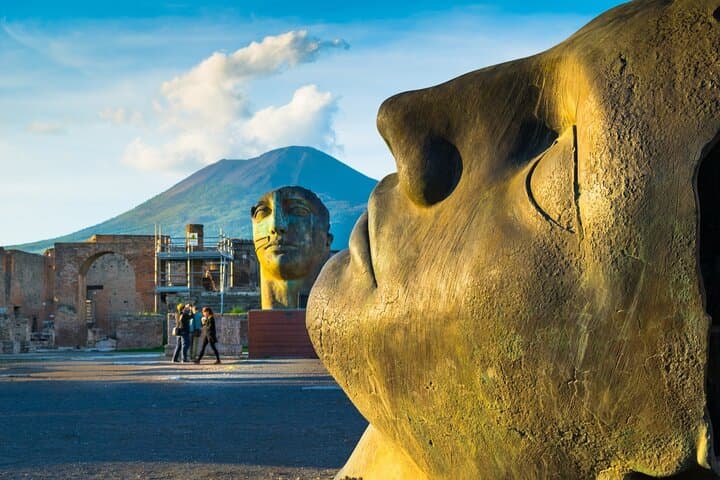
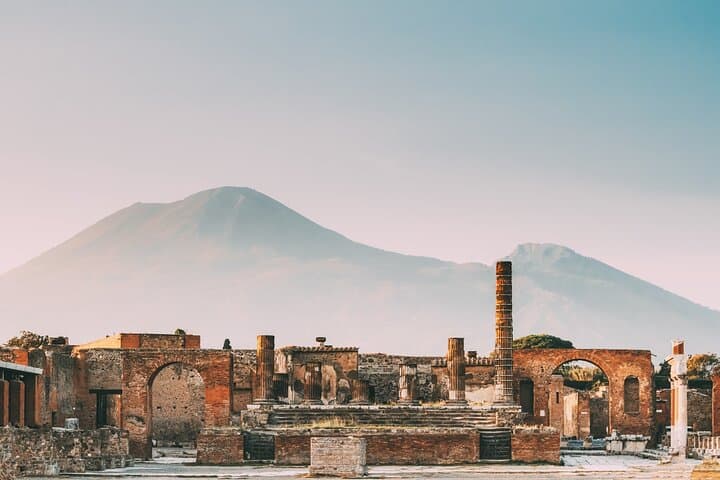
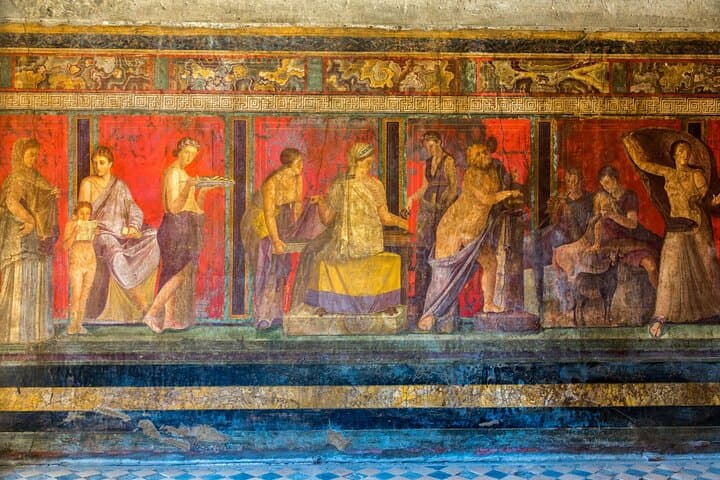
Geology is visible everywhere: compacted ash layers, pumice-filled courtyards and the shadow of Vesuvius on the horizon. Cultural notes surface in the forum, the amphitheater, and in intimate spaces like the Lupanar and private villas where painted walls still suggest color and status.
Practical guidance: this private, ~2.5-hour tour covers roughly 2–3 km on uneven, cobbled surfaces with minimal elevation change. Wear sturdy shoes, sun protection and bring a refillable water bottle—shade is limited. The route moves at a steady pace; modest fitness is required. Respect barriers and photography rules; the site is fragile and regulated. Tours often start early to avoid heat and crowds and include entrance, but confirm mobile-ticket requirements before you arrive.
An archaeologist-led tour turns ruins into a readable city: layered, human, and surprisingly immediate.
moderate.
2–2.5 hours.
Moderate—able to walk 2–3 km on uneven, cobbled surfaces and stand through explanations.
This private experience typically includes entry to the Archaeological Park of Pompeii—confirm on booking and bring your mobile ticket or printout as specified.
Expect moderate exertion: about 2–3 km of walking over 2–2.5 hours on uneven, cobbled ground with limited seating.
Accessibility is limited due to cobbles, thresholds and uneven terrain; inquire with the operator about alternative arrangements for reduced mobility.
Private tours are typically flexible—request focus areas (architecture, daily life, geology) or a pace suited for children when booking.
Pompeii was rapidly buried in AD 79 by Vesuvius’s eruption; the ash preserved buildings, documents and victims, creating an unparalleled archaeological record of Roman life.
The site faces ongoing conservation challenges from weathering, tourism pressure and restoration needs; follow site rules and avoid touching remains to minimize impact.
Around Amalfi coast operates guided outdoor trips and adventures with an emphasis on safety, stewardship, and memorable experiences.
You step through a low arch and the modern world contracts to stone and dust: a straight Roman street, flanked by low shopfronts, leads your group past a collapsed mosaic and the echo of voices that lived here two thousand years ago.
You step through a low arch and the modern world contracts to stone and dust: a straight Roman street, flanked by low shopfronts, leads your group past a collapsed mosaic and the echo of voices that lived here two thousand years ago.
Pompeii is a city frozen by the AD 79 eruption of Vesuvius—the pyroclastic flows and ash that buried streets and preserved frescoes. Walking these lanes with a professional archaeologist reframes the ruins: walls stop being rubble and become houses, artisans’ workshops and temples. Expect detailed explanations of construction techniques, the daily rituals in baths and bakeries, and the grim geology that turned a thriving port into a fossilized snapshot.
Geology is visible everywhere: compacted ash layers, pumice-filled courtyards and the shadow of Vesuvius on the horizon. Cultural notes surface in the forum, the amphitheater, and in intimate spaces like the Lupanar and private villas where painted walls still suggest color and status.
Practical guidance: this private, ~2.5-hour tour covers roughly 2–3 km on uneven, cobbled surfaces with minimal elevation change. Wear sturdy shoes, sun protection and bring a refillable water bottle—shade is limited. The route moves at a steady pace; modest fitness is required. Respect barriers and photography rules; the site is fragile and regulated. Tours often start early to avoid heat and crowds and include entrance, but confirm mobile-ticket requirements before you arrive.
An archaeologist-led tour turns ruins into a readable city: layered, human, and surprisingly immediate.