THE ADVENTURE COLLECTIVE® · Independent discovery and booking for outdoor travel

Take a measured, photo-friendly guided visit to Machu Picchu from Aguas Calientes. This private tour covers the main citadel circuit and practical guidance for tickets, timing, and what to bring.
Take a measured, photo-friendly guided visit to Machu Picchu from Aguas Calientes. This private tour covers the main citadel circuit and practical guidance for tickets, timing, and what to bring.
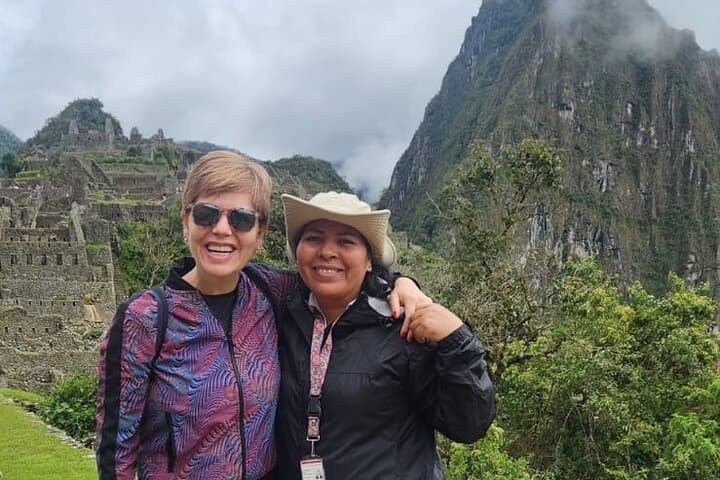
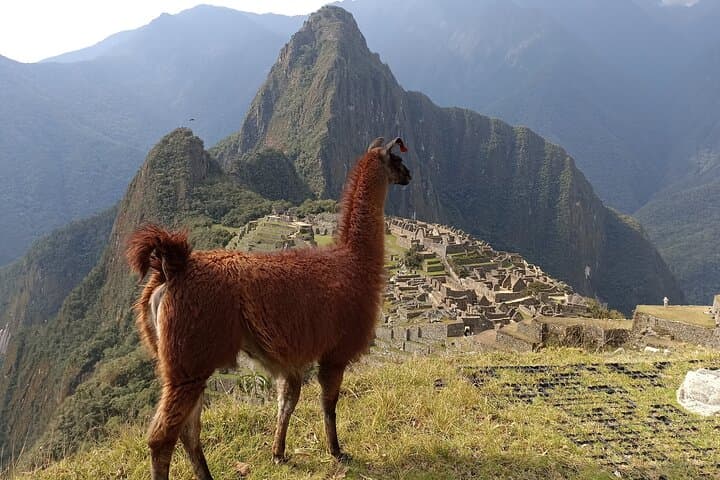
At first light the stonework cools beneath a thin mist; terraces catch the morning and Huayna Picchu keeps a watchful silhouette above the citadel. Standing at the main plaza the carved stones and narrow stairways lead your eyes outward toward the Urubamba canyon, where the mountain seems to hold its breath.
Verified experiences and guided adventures in the surrounding area.
Operated by Guía Turístico Machupicchu · Aguas Calientes (Machupicchu Pueblo), Cusco Region
At first light the stonework cools beneath a thin mist; terraces catch the morning and Huayna Picchu keeps a watchful silhouette above the citadel. Standing at the main plaza the carved stones and narrow stairways lead your eyes outward toward the Urubamba canyon, where the mountain seems to hold its breath.
Machu Picchu was built in the 15th century by the Incas and reentered global awareness after Hiram Bingham's 1911 expedition. The site sits on fractured granite shaped by Andean uplift and the Urubamba’s erosive power; terraces, channels and perfectly jointed ashlar blocks show local engineering and ritual intent. Quechua-speaking communities nearby preserve oral histories that guides often weave into the narrative.
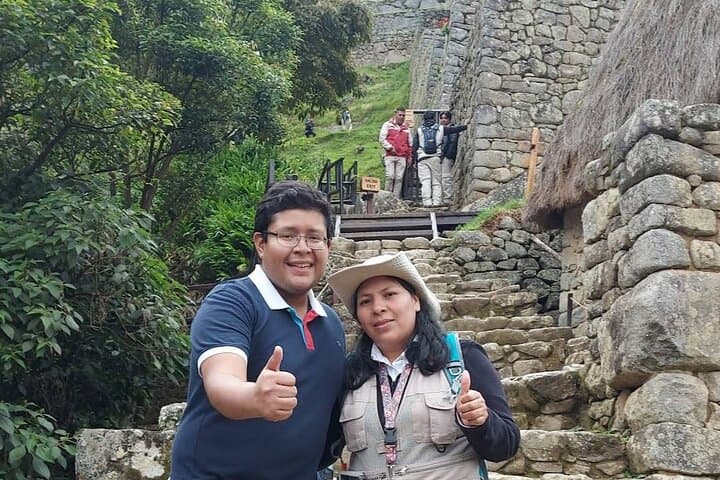
A private guide from Aguas Calientes escorts you by bus to the main gate, then leads a 2–2.5 hour circuit tailored to your ticket: citadel-only or with Huayna/Machu Picchu Mountain access. Expect uneven stone steps, sudden viewpoints, and pockets of bright sun at altitude. The guide will explain structural features — Intihuatana, agricultural sectors, and water channels — and pause for photos at strategic outlooks.
Practical notes: use the toilets at the entrance, bring at least 1–2 L of water, wear grippy shoes and layered clothing for temperature swings. Book your train, entrance ticket, and bus in advance (permits for Huayna/Machu Picchu Mountain sell out). Move with the guide, respect roped areas, and allow extra time if you plan additional hikes or lingering photography sessions.
easy.
3–4 hours.
Comfortable walking ability; able to navigate uneven stone steps and short stair sections at ~2,430 m elevation
No—this private guide service does not include Machu Picchu entrance tickets or mountain permits; purchase them separately before your tour.
Guides meet guests at their hotel in Aguas Calientes or the train station, then accompany you to the bus heading to the citadel entrance.
You can only climb those peaks if your booked ticket includes the specific mountain permit; these permits are limited and must be secured in advance.
Public toilets are available near the main entrance—use them before entering the citadel; there are no additional facilities within the primary archaeological zone.
Machu Picchu was constructed in the 1400s under Inca imperial expansion and later became internationally known after Hiram Bingham’s 1911 expedition; many stone features reflect both administrative and ceremonial functions.
Machu Picchu is a UNESCO World Heritage site with strict visitor controls; stay on designated paths, follow your guide, and avoid feeding wildlife to reduce impact.
Guía Turístico Machupicchu operates guided outdoor trips and adventures with an emphasis on safety, stewardship, and memorable experiences.
At first light the stonework cools beneath a thin mist; terraces catch the morning and Huayna Picchu keeps a watchful silhouette above the citadel. Standing at the main plaza the carved stones and narrow stairways lead your eyes outward toward the Urubamba canyon, where the mountain seems to hold its breath.
At first light the stonework cools beneath a thin mist; terraces catch the morning and Huayna Picchu keeps a watchful silhouette above the citadel. Standing at the main plaza the carved stones and narrow stairways lead your eyes outward toward the Urubamba canyon, where the mountain seems to hold its breath.
Machu Picchu was built in the 15th century by the Incas and reentered global awareness after Hiram Bingham's 1911 expedition. The site sits on fractured granite shaped by Andean uplift and the Urubamba’s erosive power; terraces, channels and perfectly jointed ashlar blocks show local engineering and ritual intent. Quechua-speaking communities nearby preserve oral histories that guides often weave into the narrative.
A private guide from Aguas Calientes escorts you by bus to the main gate, then leads a 2–2.5 hour circuit tailored to your ticket: citadel-only or with Huayna/Machu Picchu Mountain access. Expect uneven stone steps, sudden viewpoints, and pockets of bright sun at altitude. The guide will explain structural features — Intihuatana, agricultural sectors, and water channels — and pause for photos at strategic outlooks.
Practical notes: use the toilets at the entrance, bring at least 1–2 L of water, wear grippy shoes and layered clothing for temperature swings. Book your train, entrance ticket, and bus in advance (permits for Huayna/Machu Picchu Mountain sell out). Move with the guide, respect roped areas, and allow extra time if you plan additional hikes or lingering photography sessions.