THE ADVENTURE COLLECTIVE® · Independent discovery and booking for outdoor travel

Walk from Tudor brick into Baroque splendour with a private guide who worked at Hampton Court for 18 years. This 90–120 minute tailored tour blends royal history, ghost stories and practical insights for visitors of all ages.
Walk from Tudor brick into Baroque splendour with a private guide who worked at Hampton Court for 18 years. This 90–120 minute tailored tour blends royal history, ghost stories and practical insights for visitors of all ages.
The tour begins in the cool stone shadow of Henry VIII’s Great Gate: sharp footsteps on flagstones, the river a low murmur beyond the walls. A guide who spent nearly two decades working inside the palace leads a small group through rooms that change style and mood as quickly as a page turns.
Verified experiences and guided adventures in the surrounding area.
Operated by Sheila Dunsmore · East Molesey, Surrey
The tour begins in the cool stone shadow of Henry VIII’s Great Gate: sharp footsteps on flagstones, the river a low murmur beyond the walls. A guide who spent nearly two decades working inside the palace leads a small group through rooms that change style and mood as quickly as a page turns.
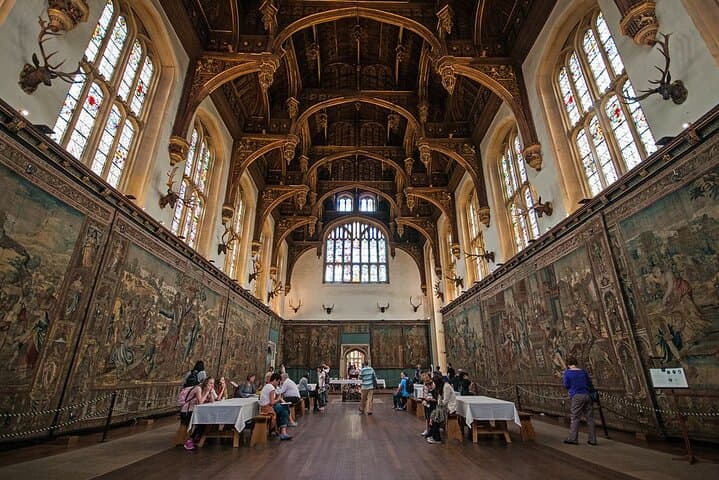
Hampton Court is a palace in two halves — Tudor brick and William III’s Baroque remodelling — set on a Thames gravel terrace that has shaped its gardens and riverside approach. Founded by Cardinal Wolsey in the early 1500s and later claimed by Henry VIII, the palace’s story is as much about politics and power as it is about architecture: Great Hall feasts, royal plumbing innovations, and the social system of Grace & Favour apartments. Local lore threads through the visit — from the Haunted Gallery to tales tailored for children — giving the stones a kind of remembered presence.
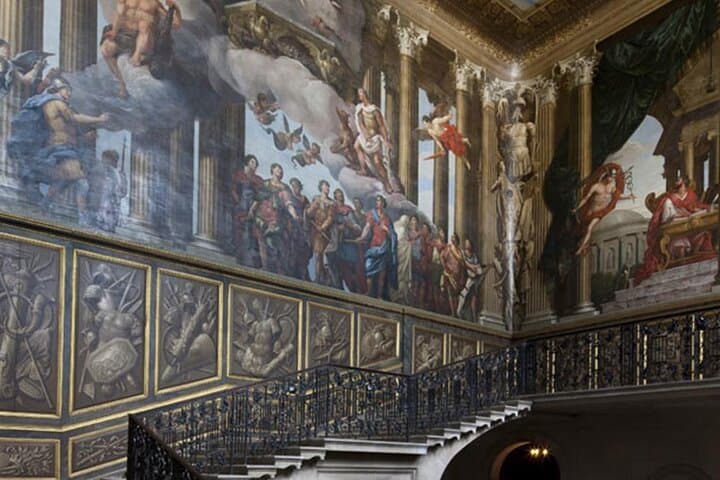
Visitors encounter the Tudor Kitchens, King William’s staircase, and Versailles-modeled gardens; the hedge maze dares you to get briefly lost while ancient yews lean and keep watch.
Practical guidance follows the narrative: tours typically run 90–120 minutes; admission to the palace is often arranged separately from private guiding; mobility-accessible routes exist but historic floors can be uneven. Bring comfortable shoes, a light layer for changing weather, and a camera with a quiet shutter. Arrive early to clear security and to spend extra time in the Privy Garden or the Maze after the guided portion ends.
easy.
1.5–2 hours.
Suitable for most fitness levels; requires standing and walking over uneven historic surfaces
Not always; this tour’s itinerary indicates admission is not included by default—confirm at booking and purchase palace entry if needed.
Yes—guides can tailor stories and content for children, and family-friendly themes like ghost tales are available on request.
Significant areas and routes are wheelchair accessible, but some historic rooms and thresholds may have limited access—notify the guide of needs when booking.
Full refunds are typically available if you cancel at least 24 hours before the scheduled start; check the booking confirmation for exact terms.
Originally built for Cardinal Wolsey in the early 1500s and later appropriated by Henry VIII, Hampton Court shows distinct Tudor and later Baroque phases under William III.
Historic Royal Palaces manages conservation; visitors are asked to stick to paths, avoid touching fragile surfaces, and follow photography rules to reduce wear.
Sheila Dunsmore operates guided outdoor trips and adventures with an emphasis on safety, stewardship, and memorable experiences.
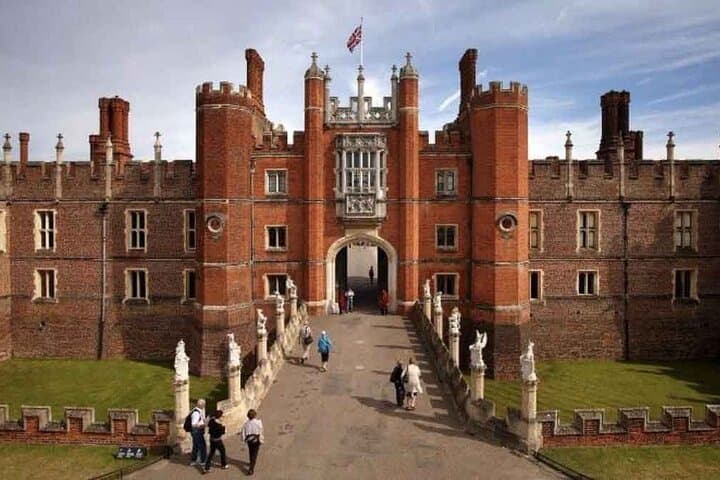
The tour begins in the cool stone shadow of Henry VIII’s Great Gate: sharp footsteps on flagstones, the river a low murmur beyond the walls. A guide who spent nearly two decades working inside the palace leads a small group through rooms that change style and mood as quickly as a page turns.
The tour begins in the cool stone shadow of Henry VIII’s Great Gate: sharp footsteps on flagstones, the river a low murmur beyond the walls. A guide who spent nearly two decades working inside the palace leads a small group through rooms that change style and mood as quickly as a page turns.
Hampton Court is a palace in two halves — Tudor brick and William III’s Baroque remodelling — set on a Thames gravel terrace that has shaped its gardens and riverside approach. Founded by Cardinal Wolsey in the early 1500s and later claimed by Henry VIII, the palace’s story is as much about politics and power as it is about architecture: Great Hall feasts, royal plumbing innovations, and the social system of Grace & Favour apartments. Local lore threads through the visit — from the Haunted Gallery to tales tailored for children — giving the stones a kind of remembered presence.
Visitors encounter the Tudor Kitchens, King William’s staircase, and Versailles-modeled gardens; the hedge maze dares you to get briefly lost while ancient yews lean and keep watch.
Practical guidance follows the narrative: tours typically run 90–120 minutes; admission to the palace is often arranged separately from private guiding; mobility-accessible routes exist but historic floors can be uneven. Bring comfortable shoes, a light layer for changing weather, and a camera with a quiet shutter. Arrive early to clear security and to spend extra time in the Privy Garden or the Maze after the guided portion ends.