THE ADVENTURE COLLECTIVE® · Independent discovery and booking for outdoor travel

Experience George Washington’s estate from a private, expert-led perspective. This one-hour VIP tour covers the mansion, gardens, and family tomb, with time after the guided visit for self-guided exploration of the museum and seasonal distillery.
Experience George Washington’s estate from a private, expert-led perspective. This one-hour VIP tour covers the mansion, gardens, and family tomb, with time after the guided visit for self-guided exploration of the museum and seasonal distillery.
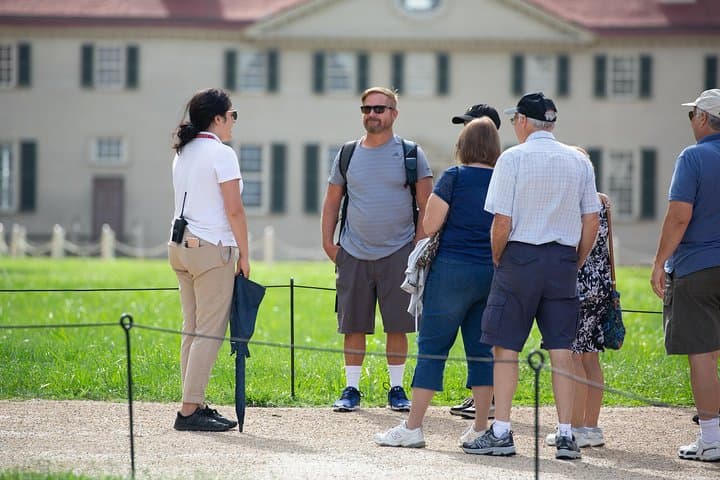
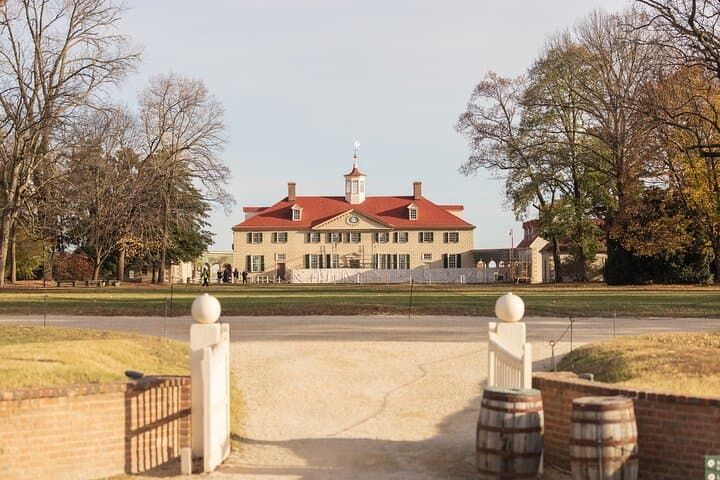
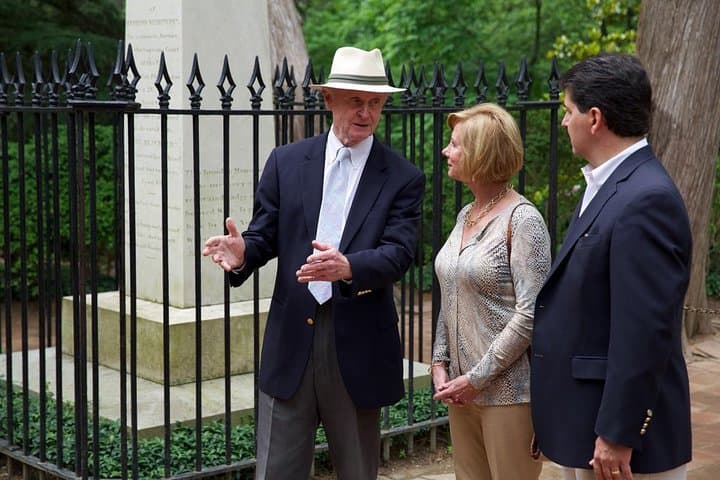
Stand on the river-facing lawn and the Potomac seems to push at the estate’s edge, urging visitors forward along paths once walked by the first U.S. president. The private one-hour tour moves deliberately through the mansion’s paneled rooms, across trimmed garden beds, and past the family tomb where guests may lay a wreath.
Verified experiences and guided adventures in the surrounding area.
Operated by George Washington's Mount Vernon · Mount Vernon, Virginia
Stand on the river-facing lawn and the Potomac seems to push at the estate’s edge, urging visitors forward along paths once walked by the first U.S. president. The private one-hour tour moves deliberately through the mansion’s paneled rooms, across trimmed garden beds, and past the family tomb where guests may lay a wreath.
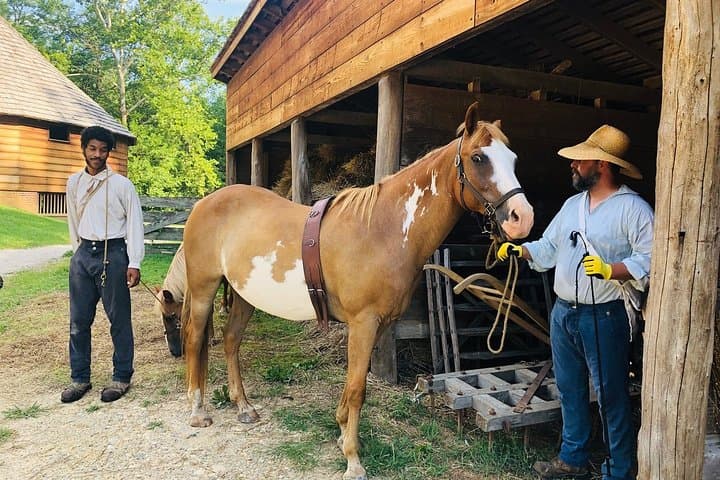
Mount Vernon sits on the Atlantic Coastal Plain; its low bluffs and sandy soils shape the estate’s gardens and the tidal wetlands below. The house—an 18th-century Georgian villa—reflects Washington’s role as landowner and planter; the property also interprets the lives of the enslaved people who built and maintained it. Nearby reconstructed sites, including a seasonal distillery and gristmill, show the estate’s agricultural and industrial work.
Culturally, Mount Vernon is both a presidential home and a working historic landscape that grapples with complex history. The guided tour offers focused commentary, and afterwards the museum and education center expand on archaeology, conservation, and 18th-century daily life.
For practical planning: book at least two weeks ahead for private tours (flat rate for 1–10 guests). Tours begin at the Mount Vernon Ford Orientation Center (3200 Mount Vernon Hwy). Expect mostly level walking on gravel and lawn; the site is wheelchair accessible but surfaces vary. Allow extra time to visit the museum, distillery (seasonal), and grounds. Wear comfortable walking shoes, bring water, and schedule morning visits to avoid peak crowds and heat in summer. The wreath-laying is a respectful, optional element—check with your guide beforehand.
easy.
1 hour (guided) — allow 2–3 hours for full visit.
Suitable for most fitness levels; requires standing and short walks between rooms and across grounds
Private tours must be booked at least two weeks in advance and are offered at a flat rate for groups of 1–10 travelers.
Yes—wreath-laying is permitted as part of the private tour; notify your guide ahead of time to coordinate the moment respectfully.
Mount Vernon reports wheelchair accessibility for the site and transportation options; surfaces vary, so contact staff for specific accommodations.
After the private guided hour, visitors may self-explore the museum, education center, and the Distillery & Gristmill when they are open (seasonal hours apply).
Mount Vernon was George Washington’s primary plantation and home; it evolved from a mid-18th-century farmhouse into the Georgian-style mansion visitors see today and includes interpretation of the estate’s enslaved community.
The Mount Vernon estate operates conservation programs focused on shoreline restoration and historic landscape preservation; visitors are asked to stay on marked paths and avoid disturbing plantings.
George Washington's Mount Vernon operates guided outdoor trips and adventures with an emphasis on safety, stewardship, and memorable experiences.
Stand on the river-facing lawn and the Potomac seems to push at the estate’s edge, urging visitors forward along paths once walked by the first U.S. president. The private one-hour tour moves deliberately through the mansion’s paneled rooms, across trimmed garden beds, and past the family tomb where guests may lay a wreath.
Stand on the river-facing lawn and the Potomac seems to push at the estate’s edge, urging visitors forward along paths once walked by the first U.S. president. The private one-hour tour moves deliberately through the mansion’s paneled rooms, across trimmed garden beds, and past the family tomb where guests may lay a wreath.
Mount Vernon sits on the Atlantic Coastal Plain; its low bluffs and sandy soils shape the estate’s gardens and the tidal wetlands below. The house—an 18th-century Georgian villa—reflects Washington’s role as landowner and planter; the property also interprets the lives of the enslaved people who built and maintained it. Nearby reconstructed sites, including a seasonal distillery and gristmill, show the estate’s agricultural and industrial work.
Culturally, Mount Vernon is both a presidential home and a working historic landscape that grapples with complex history. The guided tour offers focused commentary, and afterwards the museum and education center expand on archaeology, conservation, and 18th-century daily life.
For practical planning: book at least two weeks ahead for private tours (flat rate for 1–10 guests). Tours begin at the Mount Vernon Ford Orientation Center (3200 Mount Vernon Hwy). Expect mostly level walking on gravel and lawn; the site is wheelchair accessible but surfaces vary. Allow extra time to visit the museum, distillery (seasonal), and grounds. Wear comfortable walking shoes, bring water, and schedule morning visits to avoid peak crowds and heat in summer. The wreath-laying is a respectful, optional element—check with your guide beforehand.