THE ADVENTURE COLLECTIVE® · Independent discovery and booking for outdoor travel

Walk Stone Town with a private guide who threads together its spice markets, slave chambers and carved doors in a 2–3 hour urban exploration. Learn where history, architecture and daily life intersect in Zanzibar’s oldest quarter.
Walk Stone Town with a private guide who threads together its spice markets, slave chambers and carved doors in a 2–3 hour urban exploration. Learn where history, architecture and daily life intersect in Zanzibar’s oldest quarter.
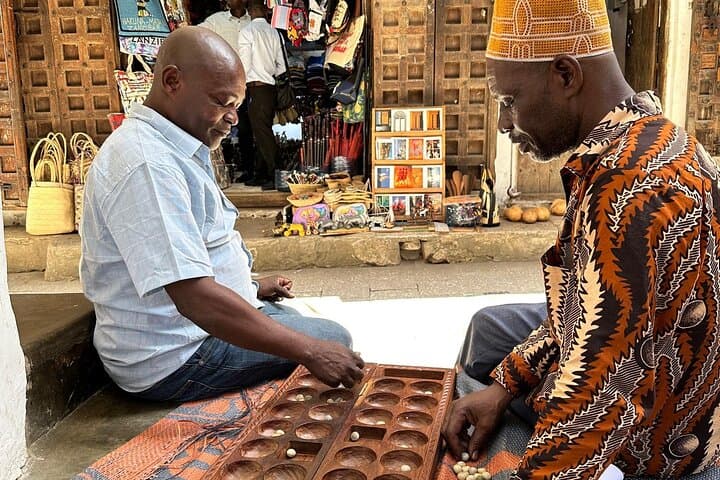
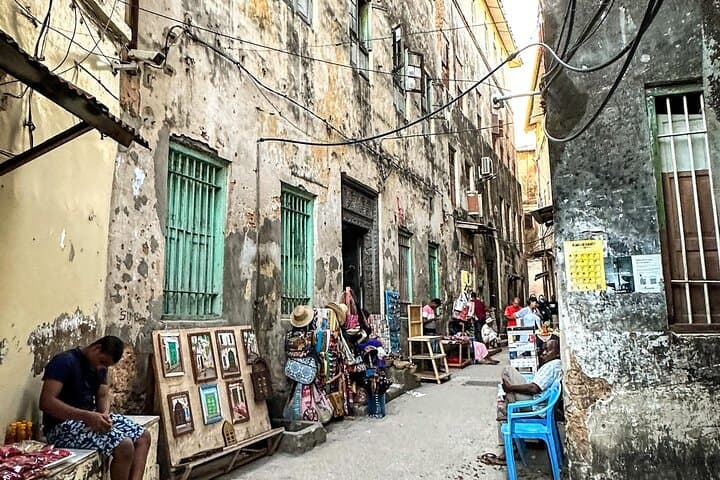
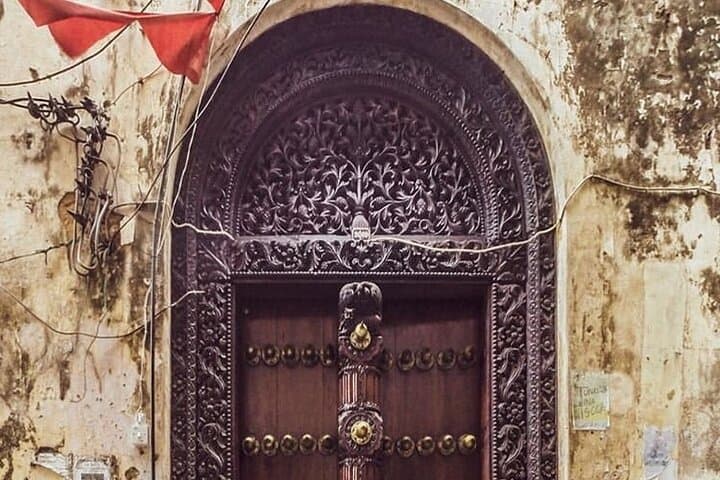
Morning light slants across honeyed coral-stone alleys as the harbor exhales the scent of salt and cloves. You step through a lattice of carved wooden doors and narrow streets where dhow masts puncture the skyline, guided by someone who knows the names, stories and shortcuts that shape this old port.
Verified experiences and guided adventures in the surrounding area.
Operated by Zanzibar holiday · Stone Town, Zanzibar
Morning light slants across honeyed coral-stone alleys as the harbor exhales the scent of salt and cloves. You step through a lattice of carved wooden doors and narrow streets where dhow masts puncture the skyline, guided by someone who knows the names, stories and shortcuts that shape this old port.
Stone Town grew where trade met tide: Omani sultans, Portuguese fortifications and Indian merchants all left layers in the architecture. The town’s buildings are cut from coral rag limestone and plastered by hand; their carved doors bear signatures of families and crafts. Key sites on this private walk typically include the Old Fort (Ngome Kongwe), the House of Wonders, the slave chambers and memorial, the lively spice and fish markets, and the Freddie Mercury exhibition—places that tell a complex history of commerce, culture and the East African slave trade.
Culturally, expect Swahili rhythms in language and food, and an urban pace that slows at forodhani waterfront dusk markets. Geology matters here — the coral-built fabric of Stone Town requires gentle foot traffic and conservation awareness.
Practical guidance: the tour runs about 2–3 hours on mostly flat, cobbled streets; light, closed-toe shoes and sun protection are recommended. Modest dress is respectful at religious sites. Bottled water is usually provided, but carry a refillable bottle to reduce waste. Early morning or late afternoon departures avoid peak heat and make for better photography. Because many stops are compact and interpretive, bring cash for small purchases and be prepared to follow your guide’s directions in busy alleys.
easy.
2–3 hours.
Suitable for most fitness levels; involves walking on flat but sometimes uneven cobblestones for up to a few hours.
The tour lasts approximately 2–3 hours depending on pace and stop durations.
Some admissions—such as the slave chamber exhibit and the Freddie Mercury house—are included per the itinerary; confirm with your booking details for specifics.
Many areas and surfaces are wheelchair accessible, but some narrow alleys and historic interiors may limit access; check with the operator ahead of time.
Guides commonly speak English; check at booking if you need another language or a translator.
Stone Town served as a pivotal Indian Ocean trading hub under Omani influence and later European presence; its streets reflect centuries of spice trade and the tragic history of the East African slave trade.
The coral rag buildings are fragile—support guided tours that emphasize preservation, avoid touching carved facades, and minimize single-use plastics to reduce local environmental impact.
Zanzibar holiday operates guided outdoor trips and adventures with an emphasis on safety, stewardship, and memorable experiences.

Morning light slants across honeyed coral-stone alleys as the harbor exhales the scent of salt and cloves. You step through a lattice of carved wooden doors and narrow streets where dhow masts puncture the skyline, guided by someone who knows the names, stories and shortcuts that shape this old port.
Morning light slants across honeyed coral-stone alleys as the harbor exhales the scent of salt and cloves. You step through a lattice of carved wooden doors and narrow streets where dhow masts puncture the skyline, guided by someone who knows the names, stories and shortcuts that shape this old port.
Stone Town grew where trade met tide: Omani sultans, Portuguese fortifications and Indian merchants all left layers in the architecture. The town’s buildings are cut from coral rag limestone and plastered by hand; their carved doors bear signatures of families and crafts. Key sites on this private walk typically include the Old Fort (Ngome Kongwe), the House of Wonders, the slave chambers and memorial, the lively spice and fish markets, and the Freddie Mercury exhibition—places that tell a complex history of commerce, culture and the East African slave trade.
Culturally, expect Swahili rhythms in language and food, and an urban pace that slows at forodhani waterfront dusk markets. Geology matters here — the coral-built fabric of Stone Town requires gentle foot traffic and conservation awareness.
Practical guidance: the tour runs about 2–3 hours on mostly flat, cobbled streets; light, closed-toe shoes and sun protection are recommended. Modest dress is respectful at religious sites. Bottled water is usually provided, but carry a refillable bottle to reduce waste. Early morning or late afternoon departures avoid peak heat and make for better photography. Because many stops are compact and interpretive, bring cash for small purchases and be prepared to follow your guide’s directions in busy alleys.