THE ADVENTURE COLLECTIVE® · Independent discovery and booking for outdoor travel

Leave the summer crowds behind and experience Yosemite in quiet white. A private guided snowshoe hike—available as a 3-mile beginner or a 6-mile extended route—pairs expert local guides with snowshoe gear and insider knowledge for winter views, wildlife sign, and geology lessons.
Leave the summer crowds behind and experience Yosemite in quiet white. A private guided snowshoe hike—available as a 3-mile beginner or a 6-mile extended route—pairs expert local guides with snowshoe gear and insider knowledge for winter views, wildlife sign, and geology lessons.
The air in Yosemite in winter has a quiet that feels deliberate: footfalls sound crisp, the pines lean under the weight of fresh snow, and the valley’s granite walls read like scores of distant cliffs. On a private guided snowshoe hike, visitors swap summer crowds for tracks in white, following a guide who knows which meadows hold views, which ridgelines catch light, and where animal prints tell of recent life.
Verified experiences and guided adventures in the surrounding area.
Operated by YExplore Yosemite Adventures · Yosemite Valley, California
The air in Yosemite in winter has a quiet that feels deliberate: footfalls sound crisp, the pines lean under the weight of fresh snow, and the valley’s granite walls read like scores of distant cliffs. On a private guided snowshoe hike, visitors swap summer crowds for tracks in white, following a guide who knows which meadows hold views, which ridgelines catch light, and where animal prints tell of recent life.
These guided outings move between two clear options: a beginner half-day—about three miles of gentle terrain through valley forests and sequoia groves—and an extended six-mile route that climbs into higher meadows and steeper ridge lines. Both options deliver the elemental geology Yosemite is famous for: exposed granite born of ancient uplift, glacially carved U-shaped valleys, and moraines that mark the park’s cold-era handiwork. Guides explain how glaciers scoured polished domes like Half Dome and left behind broad alpine basins now muffled in snow.
Culturally, winter in the park narrows the story to sound and sign. With fewer people, the landscape speaks through ranger histories, the legacy of the Ahwahnee-era park lodges, and Miwok and Mono cultural ties to the land. Guides often point out historical features—old carriage roads, stonework from early park development—and describe how winters once determined travel and resource use in the Sierra.
Practical side: snowshoes and poles are provided, and guides teach basic technique before hitting the trail. Expect paced, steady hiking with periodic photo stops; the beginner route runs roughly three miles in about three hours, while the extended trip covers up to six miles and can last around six hours with more elevation gain and steeper footing. Bring 32 ounces of water for short hikes or 48–60 ounces for the extended tour, plus snacks and a lunch. Dress in layers for winter conditions—wind and sun on open ridges can be deceptively cold.
Logistics to note: the operator supplies a vehicle reservation permit when required, but you must confirm your tour directly with the outfitter after booking. The operator enforces age and health guidelines (children as young as four for beginners; extended hikes require older, fitter participants). Tours run only in suitable snow conditions; if snow is insufficient, operators offer rescheduling or refunds.
For photographers, light on clear winter afternoons and fresh-snow mornings are the best bets: low-angle sun brings out granite texture and long shadows through trees. Wildlife is easier to track in snow—look for deer and fox sign along meadow edges. A private guide turns a simple winter walk into a compact lesson in geology, natural history, and safe winter travel—an efficient way to experience Yosemite’s quieter, more deliberate season.
moderate.
3–6 hours.
A moderate level of fitness is recommended—able to hike on uneven, snowy terrain for several hours with breaks.
Yes—snowshoes and trekking poles are supplied, and guides offer basic instruction before you start.
You meet the guide at the designated trailhead; the operator requires you to confirm your reservation and will email meeting directions after booking.
Tours are subject to snow conditions; if insufficient snow forces cancellation you’ll be offered an alternate date or a full refund.
The extended option requires stronger endurance—expect steeper climbs and six miles over variable snow; a good cardiovascular base and prior hiking experience help.
Yes—beginner hikes accept children from age 4; the extended hike typically requires participants to be older (age 12+), per operator guidelines.
The operator includes a vehicle reservation permit when required, but confirm details with them after booking to ensure you have the correct entry instructions.
Winter travel shaped early access to Yosemite—historic carriage routes and stonework from the park’s early development remain visible in some valley areas.
Stay on boot-packed trails and avoid disturbing wintering wildlife; private guided groups help minimize dispersed impact and educate visitors on Leave No Trace winter practices.
YExplore Yosemite Adventures operates guided outdoor trips and adventures with an emphasis on safety, stewardship, and memorable experiences.
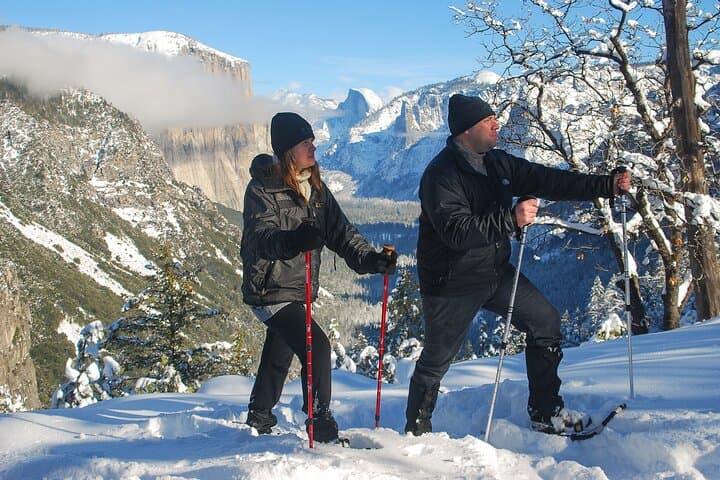
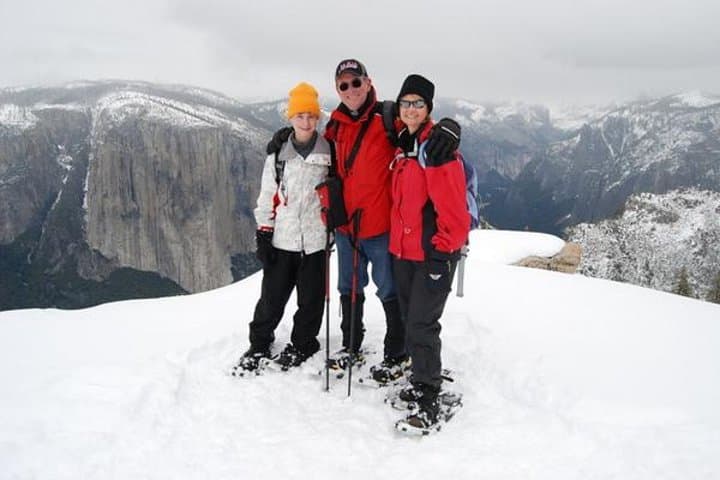
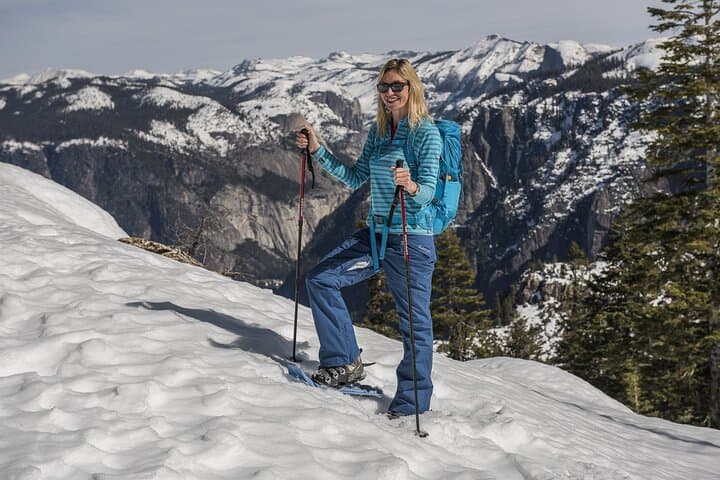
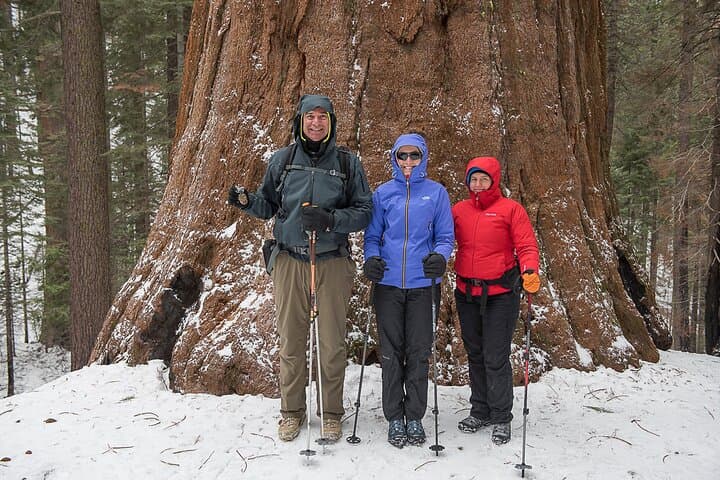
The air in Yosemite in winter has a quiet that feels deliberate: footfalls sound crisp, the pines lean under the weight of fresh snow, and the valley’s granite walls read like scores of distant cliffs. On a private guided snowshoe hike, visitors swap summer crowds for tracks in white, following a guide who knows which meadows hold views, which ridgelines catch light, and where animal prints tell of recent life.
The air in Yosemite in winter has a quiet that feels deliberate: footfalls sound crisp, the pines lean under the weight of fresh snow, and the valley’s granite walls read like scores of distant cliffs. On a private guided snowshoe hike, visitors swap summer crowds for tracks in white, following a guide who knows which meadows hold views, which ridgelines catch light, and where animal prints tell of recent life.
These guided outings move between two clear options: a beginner half-day—about three miles of gentle terrain through valley forests and sequoia groves—and an extended six-mile route that climbs into higher meadows and steeper ridge lines. Both options deliver the elemental geology Yosemite is famous for: exposed granite born of ancient uplift, glacially carved U-shaped valleys, and moraines that mark the park’s cold-era handiwork. Guides explain how glaciers scoured polished domes like Half Dome and left behind broad alpine basins now muffled in snow.
Culturally, winter in the park narrows the story to sound and sign. With fewer people, the landscape speaks through ranger histories, the legacy of the Ahwahnee-era park lodges, and Miwok and Mono cultural ties to the land. Guides often point out historical features—old carriage roads, stonework from early park development—and describe how winters once determined travel and resource use in the Sierra.
Practical side: snowshoes and poles are provided, and guides teach basic technique before hitting the trail. Expect paced, steady hiking with periodic photo stops; the beginner route runs roughly three miles in about three hours, while the extended trip covers up to six miles and can last around six hours with more elevation gain and steeper footing. Bring 32 ounces of water for short hikes or 48–60 ounces for the extended tour, plus snacks and a lunch. Dress in layers for winter conditions—wind and sun on open ridges can be deceptively cold.
Logistics to note: the operator supplies a vehicle reservation permit when required, but you must confirm your tour directly with the outfitter after booking. The operator enforces age and health guidelines (children as young as four for beginners; extended hikes require older, fitter participants). Tours run only in suitable snow conditions; if snow is insufficient, operators offer rescheduling or refunds.
For photographers, light on clear winter afternoons and fresh-snow mornings are the best bets: low-angle sun brings out granite texture and long shadows through trees. Wildlife is easier to track in snow—look for deer and fox sign along meadow edges. A private guide turns a simple winter walk into a compact lesson in geology, natural history, and safe winter travel—an efficient way to experience Yosemite’s quieter, more deliberate season.