THE ADVENTURE COLLECTIVE® · Independent discovery and booking for outdoor travel

A focused, four-hour private tour of Medellín that links Comuna 13’s street-art corridors, the Metrocable’s aerial views, Pueblito Paisa, and sites connected to Pablo Escobar. Expect easy walking, bilingual guides, and an efficient introduction to the city’s turbulent history and urban renewal.
A focused, four-hour private tour of Medellín that links Comuna 13’s street-art corridors, the Metrocable’s aerial views, Pueblito Paisa, and sites connected to Pablo Escobar. Expect easy walking, bilingual guides, and an efficient introduction to the city’s turbulent history and urban renewal.
You step off the Metrocable into a slope of color and sound: layered murals climb the hillsides, vendors call out warm arepas, and the Aburrá Valley unfurls beneath you. This private guided tour threads Comuna 13’s transformed stairways and escalators, the aerial sweep of the Metrocable, a stop at Pueblito Paisa’s recreated Antioqueño square, and the locations tied to Pablo Escobar’s final days.
Verified experiences and guided adventures in the surrounding area.
Operated by Camantours · Medellín, Antioquia
You step off the Metrocable into a slope of color and sound: layered murals climb the hillsides, vendors call out warm arepas, and the Aburrá Valley unfurls beneath you. This private guided tour threads Comuna 13’s transformed stairways and escalators, the aerial sweep of the Metrocable, a stop at Pueblito Paisa’s recreated Antioqueño square, and the locations tied to Pablo Escobar’s final days.
Medellín sits in the Aburrá Valley on the western flank of the Andes, a city shaped by steep relief and river-cut terraces. The Metrocable is a functional response to that geology—an urban transport innovation that reduced isolation on the hills and became a symbol of mobility and social change.
Culturally the route reads like a city in motion: community-led murals narrate recent history, small cafés serve strong local coffee, and guides balance factual accounts of Escobar-era violence with the city’s broader arc of urban renewal.
Plan for roughly four hours of mostly easy walking with short uphill stretches, staircases, and several cable car rides. The tour uses private transport between sites and often includes bilingual narration. Go early to avoid mid-day heat and crowds, carry local cash for small purchases, and wear shoes with good grip—steps and wet concrete can be slick after rain.
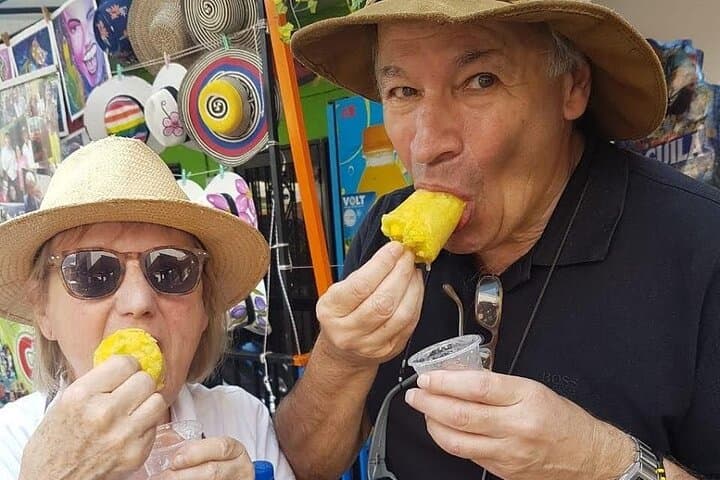
Accessibility is generally good on major stops, but ask your operator about specific mobility needs. Keep valuables discreet, be respectful when photographing residents, and use the time between viewpoints to taste empanadas or fresh fruit juice at street stalls for a real urban flavor.
easy.
4 hours.
Suitable for most fitness levels; requires short walks and stair climbing. Participants should be comfortable standing and walking for intermittent periods.
Yes—this private tour is described as physically easy and offers private transport between sites; however, stair sections in Comuna 13 can be steep, so check with the operator about mobility accommodations.
Guides cover Escobar-related sites with historical context; expect factual accounts rather than sensationalism, and the focus includes Medellín’s recovery and community stories.
Yes, the itinerary includes Metrocable segments; private transport is used between major stops as noted in the tour description.
Many main stops and transport options are wheelchair accessible, but accessibility can vary by exact location—confirm specific needs with the operator when booking.
Medellín’s modern urban transit, including the Metrocable, was developed as part of a broader effort to integrate hillside communities historically isolated from the valley floor.
Street-art projects in Comuna 13 are community-driven and often tied to youth programs; travel respectfully and support local vendors to ensure tourism benefits residents.
Camantours operates guided outdoor trips and adventures with an emphasis on safety, stewardship, and memorable experiences.
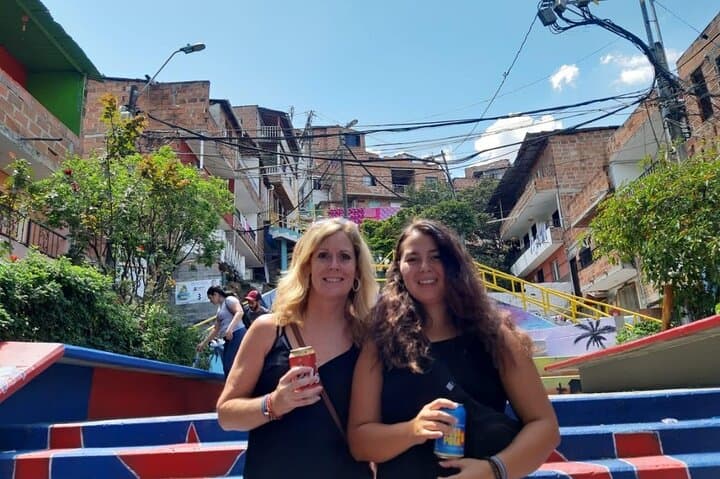
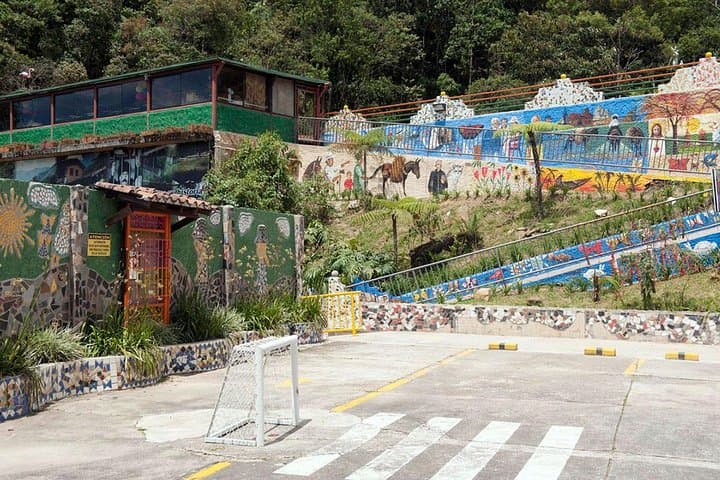
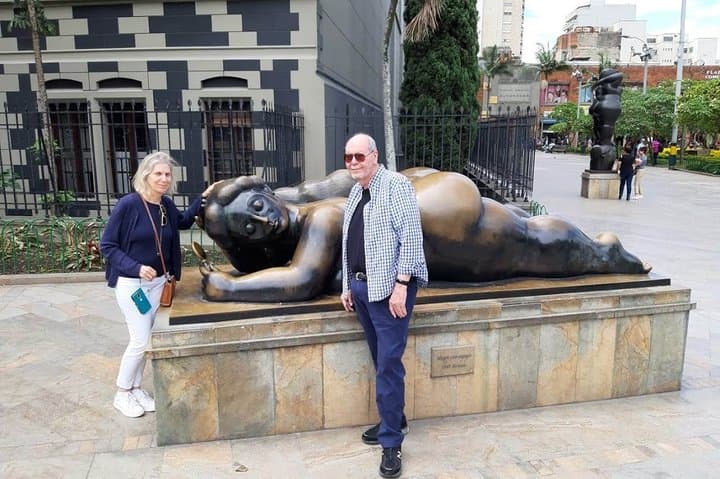
You step off the Metrocable into a slope of color and sound: layered murals climb the hillsides, vendors call out warm arepas, and the Aburrá Valley unfurls beneath you. This private guided tour threads Comuna 13’s transformed stairways and escalators, the aerial sweep of the Metrocable, a stop at Pueblito Paisa’s recreated Antioqueño square, and the locations tied to Pablo Escobar’s final days.
You step off the Metrocable into a slope of color and sound: layered murals climb the hillsides, vendors call out warm arepas, and the Aburrá Valley unfurls beneath you. This private guided tour threads Comuna 13’s transformed stairways and escalators, the aerial sweep of the Metrocable, a stop at Pueblito Paisa’s recreated Antioqueño square, and the locations tied to Pablo Escobar’s final days.
Medellín sits in the Aburrá Valley on the western flank of the Andes, a city shaped by steep relief and river-cut terraces. The Metrocable is a functional response to that geology—an urban transport innovation that reduced isolation on the hills and became a symbol of mobility and social change.
Culturally the route reads like a city in motion: community-led murals narrate recent history, small cafés serve strong local coffee, and guides balance factual accounts of Escobar-era violence with the city’s broader arc of urban renewal.
Plan for roughly four hours of mostly easy walking with short uphill stretches, staircases, and several cable car rides. The tour uses private transport between sites and often includes bilingual narration. Go early to avoid mid-day heat and crowds, carry local cash for small purchases, and wear shoes with good grip—steps and wet concrete can be slick after rain.
Accessibility is generally good on major stops, but ask your operator about specific mobility needs. Keep valuables discreet, be respectful when photographing residents, and use the time between viewpoints to taste empanadas or fresh fruit juice at street stalls for a real urban flavor.