THE ADVENTURE COLLECTIVE® · Independent discovery and booking for outdoor travel

Follow a working irrigation channel from Calheta to Prazeres on a private guided levada walk. Expect mixed stone and dirt paths, ocean views, diverse flora, and a 4–5 hour easeful hike guided by local knowledge.
Follow a working irrigation channel from Calheta to Prazeres on a private guided levada walk. Expect mixed stone and dirt paths, ocean views, diverse flora, and a 4–5 hour easeful hike guided by local knowledge.
Morning light slices across the narrow canal as you step onto the levada bank — the water insists on moving, a steady companion that guides your feet west from Calheta toward Prazeres. The path alternates between stone-paved levada towpaths and quiet dirt roads, opening occasional windows to the sea and terraced hillsides dotted with banana plots and eucalyptus stands.
Verified experiences and guided adventures in the surrounding area.
Operated by Pearl of the Atlantic · Calheta, Madeira
Morning light slices across the narrow canal as you step onto the levada bank — the water insists on moving, a steady companion that guides your feet west from Calheta toward Prazeres. The path alternates between stone-paved levada towpaths and quiet dirt roads, opening occasional windows to the sea and terraced hillsides dotted with banana plots and eucalyptus stands.
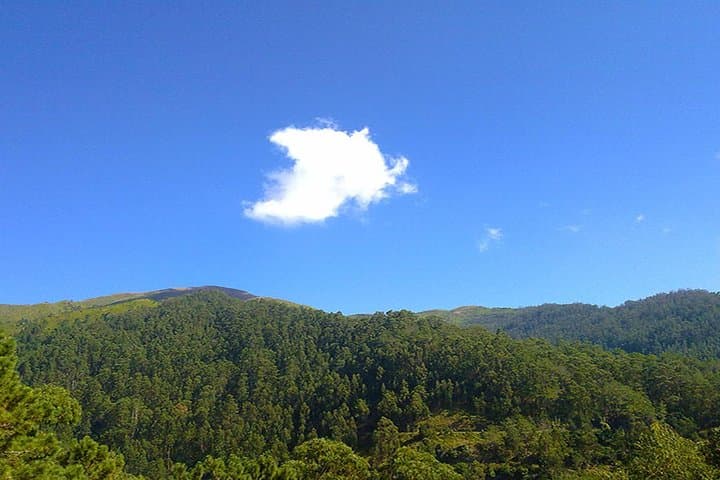
Levada routes on Madeira date to the 16th–19th centuries, engineered to carry mountain water to coastal farms; the stone channels and small aqueducts you follow are practical pieces of that legacy. Geologically, the island’s volcanic ridges and deeply incised valleys shape the route: basalt slopes hold thin soils, and streams have carved narrow gullies that the levadas thread across.
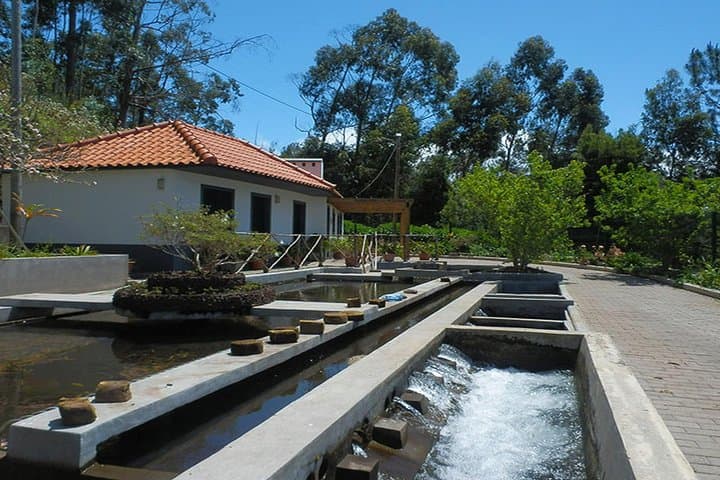
Village culture shows in scattered houses and the levadeiro’s hut where maintenance tools rest. Flora on this walk is diverse — acacias, introduced eucalyptus, maritime pines and a lively spring of wildflowers — and the Levadeiro house marks a sensible stopping point to take in the view.
Practically, expect 4–5 hours of easy-to-moderate walking with minimal steep climbing but some uneven footing. Wear sturdy shoes, carry 1–2 liters of water, and layer for changeable weather: trade winds can push fog down the slopes in minutes. The private tour includes pickup and drop-off; guides handle route choice and local context, so bring a camera, a light rain jacket and respect the levada edges — they are narrow and the water channel is unforgiving. Timing your walk for morning light keeps the best views and warmer, clearer conditions.
moderate.
4–5 hours.
Suitable for people who can walk several hours on uneven terrain; some balance and mobility recommended
The tour runs about 4–5 hours and is rated easy to moderate — mostly level levada paths with occasional uneven sections, suitable for most reasonably fit travelers.
The levada is partially waymarked but a local guide adds safety, route knowledge, and historical context; this tour is private and includes a guide and transport.
Wear grippy shoes, layered clothing and bring 1–2 liters of water, sunscreen, and a light rain jacket — weather can change quickly on Madeira’s slopes.
Children should be supervised near the levada edge; seniors who can walk several hours on uneven ground generally manage well — inform the operator of any mobility concerns.
Levadas were built between the 16th and 19th centuries to transport water from mountain springs to coastal agricultural terraces, shaping settlement and farming patterns on Madeira.
Stick to the levada path and avoid trampling slopes; erosion and invasive eucalyptus can alter local ecosystems, so follow guides’ leave-no-trace guidance.
Pearl of the Atlantic operates guided outdoor trips and adventures with an emphasis on safety, stewardship, and memorable experiences.
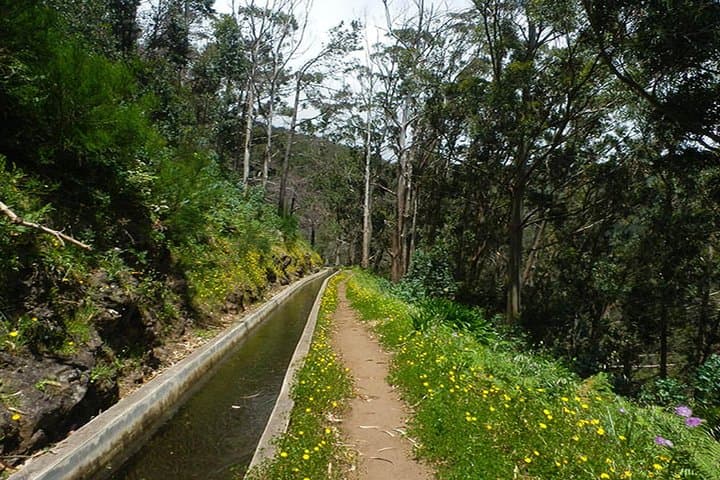
Morning light slices across the narrow canal as you step onto the levada bank — the water insists on moving, a steady companion that guides your feet west from Calheta toward Prazeres. The path alternates between stone-paved levada towpaths and quiet dirt roads, opening occasional windows to the sea and terraced hillsides dotted with banana plots and eucalyptus stands.
Morning light slices across the narrow canal as you step onto the levada bank — the water insists on moving, a steady companion that guides your feet west from Calheta toward Prazeres. The path alternates between stone-paved levada towpaths and quiet dirt roads, opening occasional windows to the sea and terraced hillsides dotted with banana plots and eucalyptus stands.
Levada routes on Madeira date to the 16th–19th centuries, engineered to carry mountain water to coastal farms; the stone channels and small aqueducts you follow are practical pieces of that legacy. Geologically, the island’s volcanic ridges and deeply incised valleys shape the route: basalt slopes hold thin soils, and streams have carved narrow gullies that the levadas thread across.
Village culture shows in scattered houses and the levadeiro’s hut where maintenance tools rest. Flora on this walk is diverse — acacias, introduced eucalyptus, maritime pines and a lively spring of wildflowers — and the Levadeiro house marks a sensible stopping point to take in the view.
Practically, expect 4–5 hours of easy-to-moderate walking with minimal steep climbing but some uneven footing. Wear sturdy shoes, carry 1–2 liters of water, and layer for changeable weather: trade winds can push fog down the slopes in minutes. The private tour includes pickup and drop-off; guides handle route choice and local context, so bring a camera, a light rain jacket and respect the levada edges — they are narrow and the water channel is unforgiving. Timing your walk for morning light keeps the best views and warmer, clearer conditions.