THE ADVENTURE COLLECTIVE® · Independent discovery and booking for outdoor travel

A private guided hiking day trip to Mutianyu delivers steep stone steps, quiet watchtowers, and wide mountain views within easy reach of Beijing. Learn what to expect on the trail, local history, and practical tips to prepare for the climb.
A private guided hiking day trip to Mutianyu delivers steep stone steps, quiet watchtowers, and wide mountain views within easy reach of Beijing. Learn what to expect on the trail, local history, and practical tips to prepare for the climb.
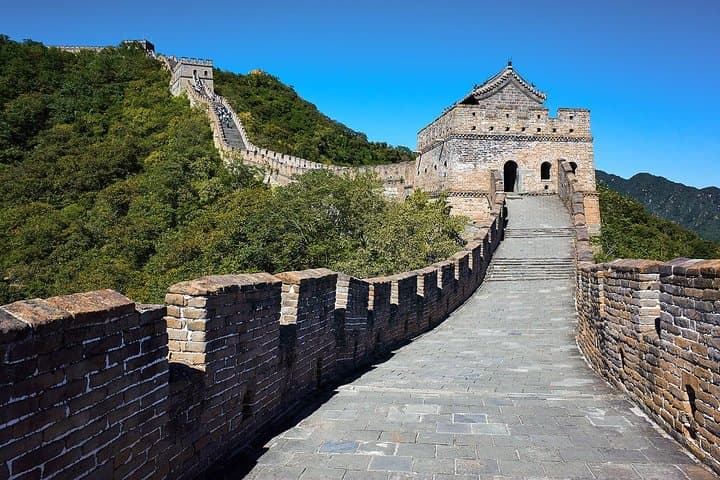
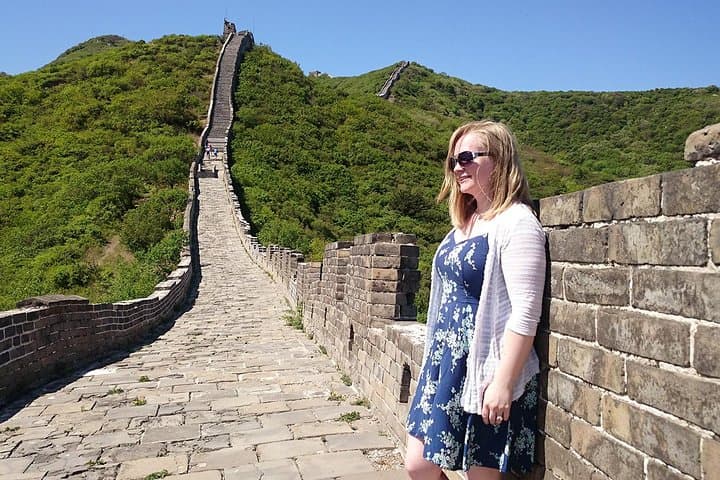
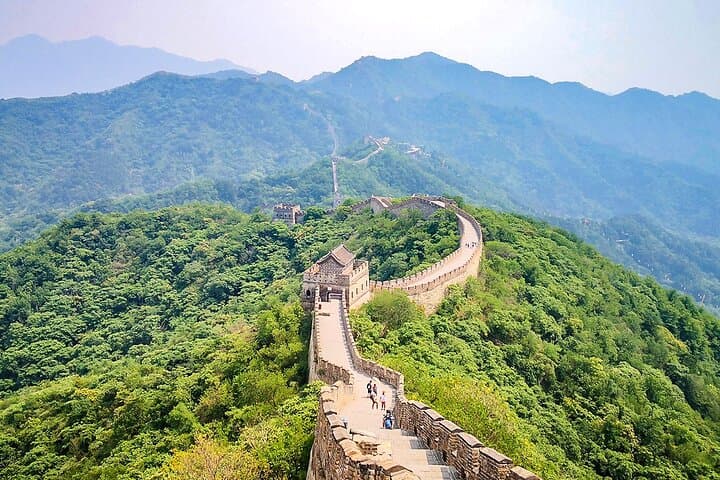
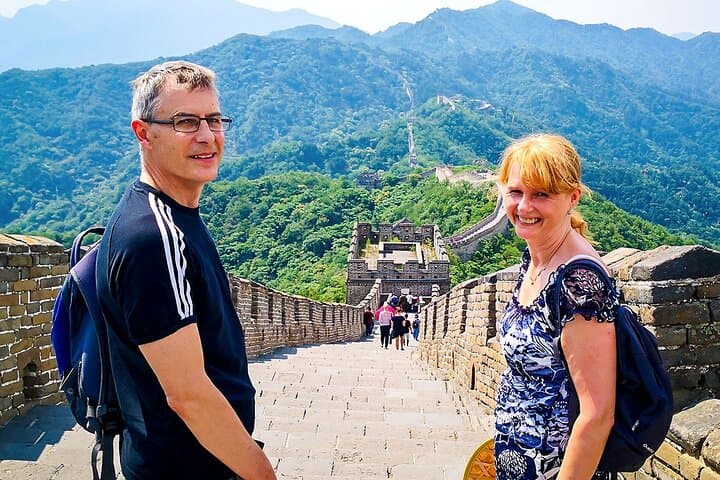
Mist hangs low in the valley as your guide leads a private group toward the stone spine of the Mutianyu Great Wall. Pine-scrubbed ridgelines rise and fall like a slow-moving tide; each watchtower sits like a patient lookout, daring you to climb higher. The path is mainly restored Ming-era masonry with steep flights of steps and short scrambles between towers, so the wall’s rhythm sets the pace.
Verified experiences and guided adventures in the surrounding area.
Operated by Travel China Guide · Beijing, Beijing
Mist hangs low in the valley as your guide leads a private group toward the stone spine of the Mutianyu Great Wall. Pine-scrubbed ridgelines rise and fall like a slow-moving tide; each watchtower sits like a patient lookout, daring you to climb higher. The path is mainly restored Ming-era masonry with steep flights of steps and short scrambles between towers, so the wall’s rhythm sets the pace.
Mutianyu’s visible structure dates largely to the Ming dynasty (14th–17th century), rebuilt to guard strategic mountain passes northeast of Beijing. Geologically the wall follows a granitic ridgeline, which gives the steps a firm, exposed quality and the slopes generous tree cover — Mutianyu is among the sections with the highest vegetation coverage. Culturally, the village below retains simple countryside life: small tea stalls, local vendors, and quiet lanes that lead to the trailheads.
On a guided private day trip from Beijing (about a 1.5–2 hour drive), expect a mix of steady stair climbs, panoramic rests at watchtowers, and local stories from your English-speaking guide. Wear grippy shoes, bring layered clothing and sun protection, and plan for several hours on your feet; the route you choose will determine total ascent but allow for several hundred meters of cumulative climb. Hydrate before you go and carry snacks — meals aren’t included. Early starts reduce crowds and make for calmer light on the stone. Stay on designated paths, respect the masonry, and leave no trace: the wall is both ancient defense and living landscape, waiting for the next footfall.
moderate.
8 hours.
Moderate fitness — able to manage extended stair climbs and several hours of walking
Cable car service exists at Mutianyu but inclusion varies by operator—confirm with the provider before booking; if not included, you can purchase tickets onsite.
Expect steady stair climbing and several hours of walking; participants should be able to handle repetitive ascent and descent without severe joint issues.
Meals are not included; guides typically advise a hearty breakfast and will suggest local options at the village for snacks or lunch.
Children with good stamina can join, and infant seats are sometimes available for the vehicle, but the hike itself can be strenuous and isn’t recommended for very young infants or those with mobility limits.
The visible wall at Mutianyu was rebuilt and expanded during the Ming dynasty to strengthen defenses north of Beijing; watchtowers supplied overlapping fields of view.
High visitor numbers strain the site—stick to restored paths, avoid graffiti, and support local vendors to help the community maintain the area.
Travel China Guide operates guided outdoor trips and adventures with an emphasis on safety, stewardship, and memorable experiences.
Mist hangs low in the valley as your guide leads a private group toward the stone spine of the Mutianyu Great Wall. Pine-scrubbed ridgelines rise and fall like a slow-moving tide; each watchtower sits like a patient lookout, daring you to climb higher. The path is mainly restored Ming-era masonry with steep flights of steps and short scrambles between towers, so the wall’s rhythm sets the pace.
Mist hangs low in the valley as your guide leads a private group toward the stone spine of the Mutianyu Great Wall. Pine-scrubbed ridgelines rise and fall like a slow-moving tide; each watchtower sits like a patient lookout, daring you to climb higher. The path is mainly restored Ming-era masonry with steep flights of steps and short scrambles between towers, so the wall’s rhythm sets the pace.
Mutianyu’s visible structure dates largely to the Ming dynasty (14th–17th century), rebuilt to guard strategic mountain passes northeast of Beijing. Geologically the wall follows a granitic ridgeline, which gives the steps a firm, exposed quality and the slopes generous tree cover — Mutianyu is among the sections with the highest vegetation coverage. Culturally, the village below retains simple countryside life: small tea stalls, local vendors, and quiet lanes that lead to the trailheads.
On a guided private day trip from Beijing (about a 1.5–2 hour drive), expect a mix of steady stair climbs, panoramic rests at watchtowers, and local stories from your English-speaking guide. Wear grippy shoes, bring layered clothing and sun protection, and plan for several hours on your feet; the route you choose will determine total ascent but allow for several hundred meters of cumulative climb. Hydrate before you go and carry snacks — meals aren’t included. Early starts reduce crowds and make for calmer light on the stone. Stay on designated paths, respect the masonry, and leave no trace: the wall is both ancient defense and living landscape, waiting for the next footfall.