THE ADVENTURE COLLECTIVE® · Independent discovery and booking for outdoor travel

Skip the lines and let a local guide unlock the stories behind the Forbidden City’s halls and courtyards. This private 3–4 hour tour combines imperial history, architectural symbolism, and practical tips for touring one of Beijing’s most visited landmarks.
Skip the lines and let a local guide unlock the stories behind the Forbidden City’s halls and courtyards. This private 3–4 hour tour combines imperial history, architectural symbolism, and practical tips for touring one of Beijing’s most visited landmarks.
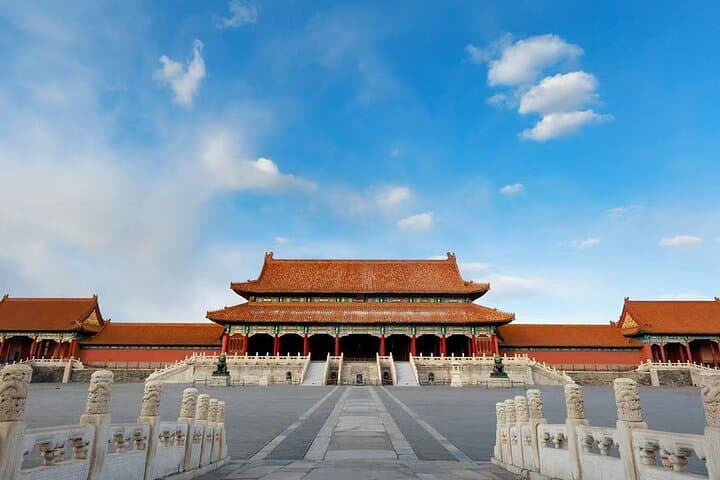
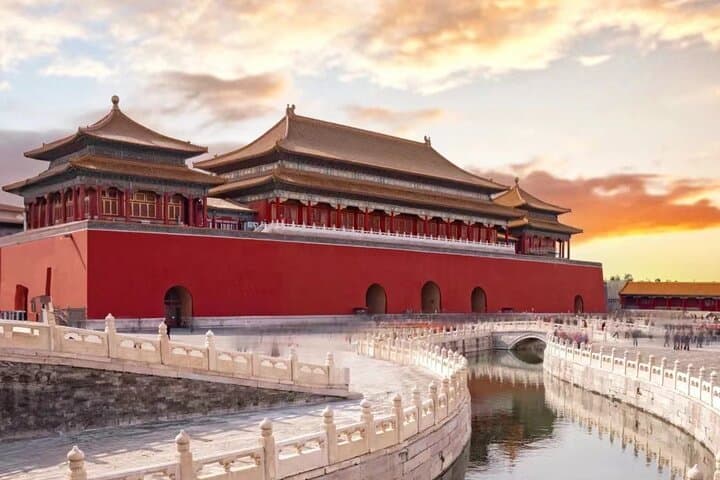
You step out of JinYu Hutong Station into a slab-of-red morning: the palace walls loom, guardians of a city that once turned inward to an emperor’s will. Your private guide meets you, and the crowd thins as you slip through a main gate into a sequence of vast courtyards and shadowed halls. Light slides across carved thresholds; bronze turtles and cranes keep ancient watch.
Verified experiences and guided adventures in the surrounding area.
Operated by Beijing Purrfect Trails · Beijing, Beijing
You step out of JinYu Hutong Station into a slab-of-red morning: the palace walls loom, guardians of a city that once turned inward to an emperor’s will. Your private guide meets you, and the crowd thins as you slip through a main gate into a sequence of vast courtyards and shadowed halls. Light slides across carved thresholds; bronze turtles and cranes keep ancient watch.
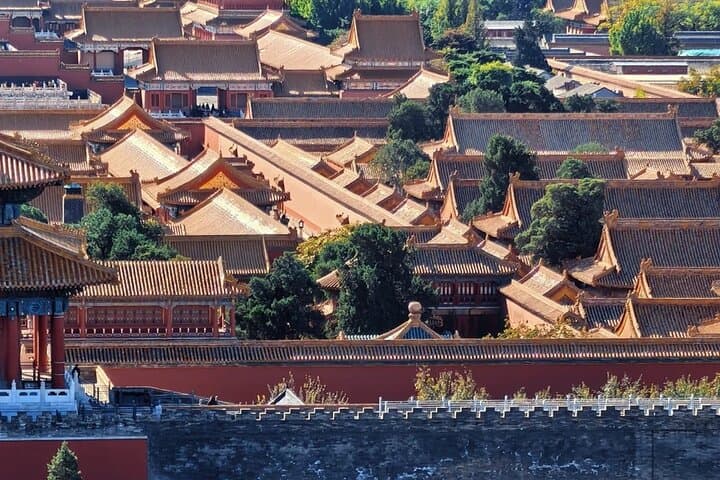
Constructed during the early 15th century, the Forbidden City was the ceremonial and political heart of Ming and Qing dynasties. Its layout follows strict cosmology: axial courtyards, ascending platforms, and color-coded roofs that signaled rank and ritual. Geologically the complex sits on the northern edge of the North China Plain, with Jingshan Hill to the north offering the best panoramic counterpoint to the palace’s geometry.
Culturally, the site is an exercise in symbolism — dragon motifs, threshold heights, and spatial separations between inner and outer courts speak to imperial order. Local guides bring these design choices alive, from the Hall of Supreme Harmony’s ceremonial heft to the quieter rhythms of the Imperial Garden.
Practicalities matter: the tour runs about 3–4 hours, so wear comfortable walking shoes and bring water; a valid passport is required for entry and booking. Winter closing times are earlier, and Tiananmen access isn’t guaranteed. Expect paved courtyards, thousands of steps and photo vantage points where the palace frames the city. Your guide can customize the route — emperor’s chambers, royal treasures, or quiet garden corners — and will help you exit at the north gate or arrange onward transport.
moderate.
3–4 hours.
Moderate fitness: long periods of walking and some stair climbs; suitable for most active travelers.
Yes — a valid passport is required both at booking and on the day of the tour for entrance verification.
Visits to Tiananmen Square are not guaranteed and may be closed for government events; your guide will advise on the day.
The site has some wheelchair-accessible routes, but many areas include steps and raised thresholds; contact the operator ahead to arrange specifics.
The guided portion is about 3–4 hours (210 minutes per booking), though you can continue exploring independently after the tour ends at the north gate.
Built early in the 15th century under the Ming dynasty and used by Ming and Qing emperors, the Forbidden City served as China’s political center for nearly 500 years and is now a UNESCO World Heritage Site.
The Palace Museum manages visitor flow and conservation efforts; follow signage, stay on paths, and avoid flash photography or touching artifacts to protect fragile surfaces.
Beijing Purrfect Trails operates guided outdoor trips and adventures with an emphasis on safety, stewardship, and memorable experiences.

You step out of JinYu Hutong Station into a slab-of-red morning: the palace walls loom, guardians of a city that once turned inward to an emperor’s will. Your private guide meets you, and the crowd thins as you slip through a main gate into a sequence of vast courtyards and shadowed halls. Light slides across carved thresholds; bronze turtles and cranes keep ancient watch.
You step out of JinYu Hutong Station into a slab-of-red morning: the palace walls loom, guardians of a city that once turned inward to an emperor’s will. Your private guide meets you, and the crowd thins as you slip through a main gate into a sequence of vast courtyards and shadowed halls. Light slides across carved thresholds; bronze turtles and cranes keep ancient watch.
Constructed during the early 15th century, the Forbidden City was the ceremonial and political heart of Ming and Qing dynasties. Its layout follows strict cosmology: axial courtyards, ascending platforms, and color-coded roofs that signaled rank and ritual. Geologically the complex sits on the northern edge of the North China Plain, with Jingshan Hill to the north offering the best panoramic counterpoint to the palace’s geometry.
Culturally, the site is an exercise in symbolism — dragon motifs, threshold heights, and spatial separations between inner and outer courts speak to imperial order. Local guides bring these design choices alive, from the Hall of Supreme Harmony’s ceremonial heft to the quieter rhythms of the Imperial Garden.
Practicalities matter: the tour runs about 3–4 hours, so wear comfortable walking shoes and bring water; a valid passport is required for entry and booking. Winter closing times are earlier, and Tiananmen access isn’t guaranteed. Expect paved courtyards, thousands of steps and photo vantage points where the palace frames the city. Your guide can customize the route — emperor’s chambers, royal treasures, or quiet garden corners — and will help you exit at the north gate or arrange onward transport.