THE ADVENTURE COLLECTIVE® · Independent discovery and booking for outdoor travel

Spend a day in Lhasa exploring the monumental Potala Palace and the spirited Sera Monastery debate. This private guided tour balances deep cultural context with practical logistics for high-altitude travel.
Spend a day in Lhasa exploring the monumental Potala Palace and the spirited Sera Monastery debate. This private guided tour balances deep cultural context with practical logistics for high-altitude travel.
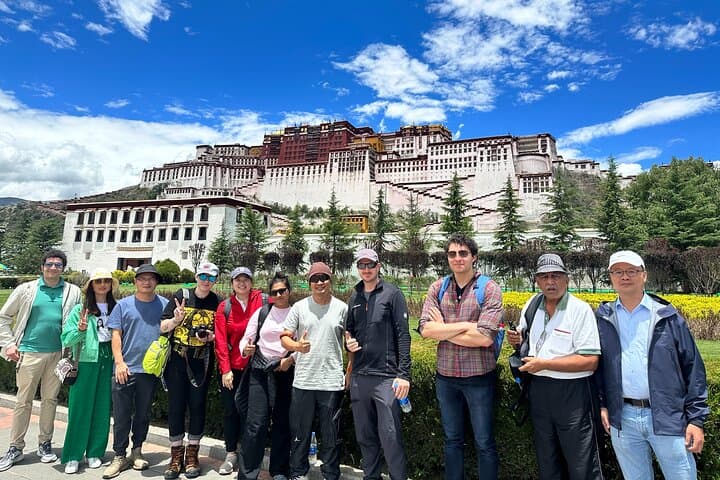
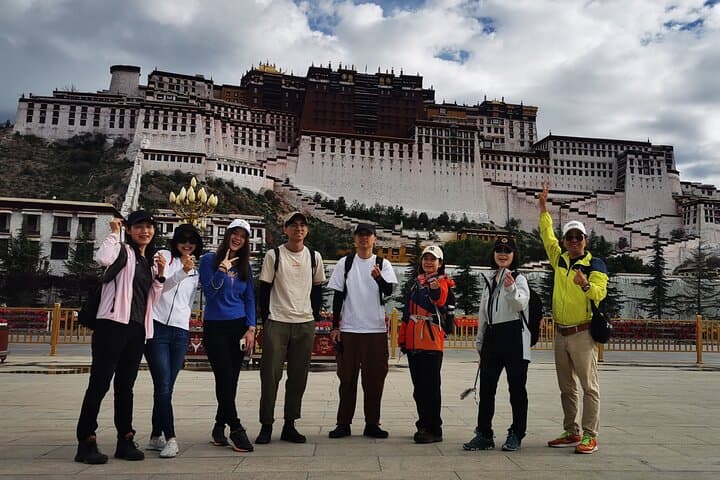
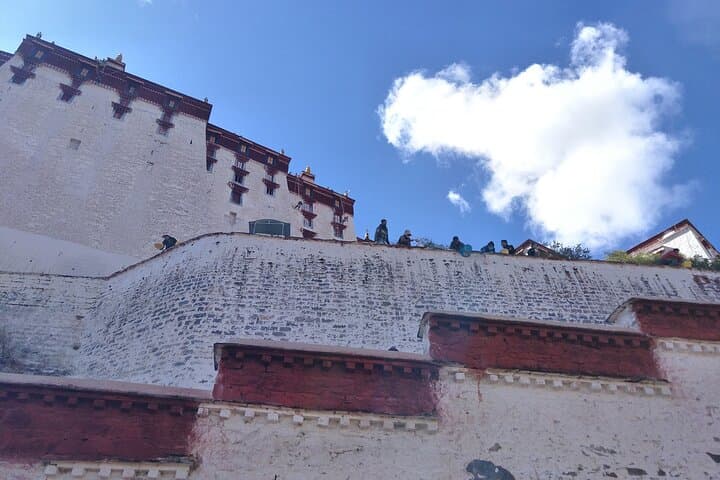
A pale morning sun breaks over Marpo Ri and the Potala Palace rises, red-and-white tiers cutting a clean silhouette against the high Tibetan sky. Pilgrims move in slow, purposeful circuits around Barkhor; prayer flags snap like small conversations in the wind. You approach by vehicle, step out into thin air and feel the altitude tightening each breath as the palace’s stone stairways climb above the city.
Verified experiences and guided adventures in the surrounding area.
Operated by Tibet Tourism - Tibetan Travel Agency · Lhasa, Tibet Autonomous Region
A pale morning sun breaks over Marpo Ri and the Potala Palace rises, red-and-white tiers cutting a clean silhouette against the high Tibetan sky. Pilgrims move in slow, purposeful circuits around Barkhor; prayer flags snap like small conversations in the wind. You approach by vehicle, step out into thin air and feel the altitude tightening each breath as the palace’s stone stairways climb above the city.
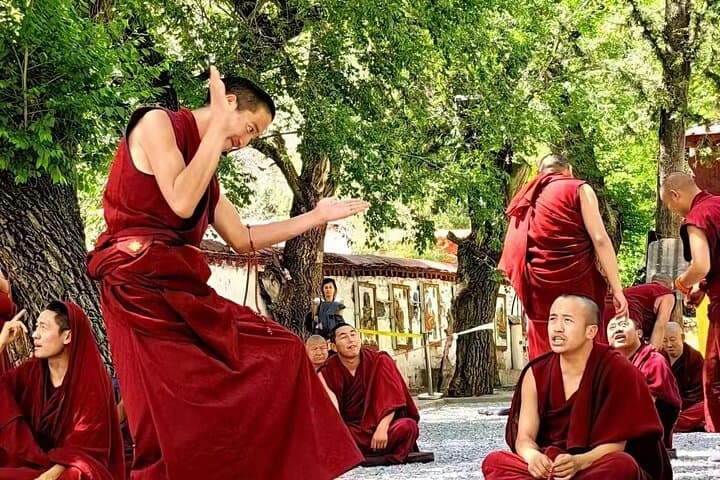
The Potala — expanded into its modern form in the 17th century under the Fifth Dalai Lama — combines religious function with fortress-like presence, built atop an outcrop of local granite. Its White Palace, Red Palace and long corridors hold chapels, murals and the relics of past leaders. Later, Sera Monastery, founded in the 15th century and famous for its lively debating sessions, offers a contrast: shade, courtyard chants and the rhythmic cadence of scholar-monks. Together they trace Lhasa’s role as the spiritual and political hub of Central Tibet.
Practical notes: this full-day private tour lasts about eight hours with roughly three hours at Potala and two at Sera; expect steep internal staircases, altitudes around 3,650 m, and modest walking between sites. Acclimatize 24–48 hours if possible, carry ID and any required permits (operators often arrange them), wear layered clothing for fast temperature swings, and respect photography and dress rules inside shrines. Plan mornings for Potala to avoid peak crowds and afternoons to catch Sera’s debating (typically 15:30–17:00). Hydrate, move slowly on stairs, and let the guide handle ticketing and local protocols so you can focus on the architecture, ritual, and the rare, spare beauty of Lhasa.
moderate.
8 hours.
Moderate fitness recommended—able to walk on uneven stone steps and tolerate several hours on feet at high altitude
Yes—foreign visitors require a Tibet Travel Permit; reputable operators usually arrange this before arrival and collect passport details during booking.
Yes—many chapels and relic rooms prohibit flash and photography; follow posted signs and staff directions to avoid confiscation of equipment.
The tour is family-friendly but involves stairs and high altitude—consult a physician for those with heart or respiratory issues and consider extra rest breaks.
Debates typically begin around 15:30 and run to 17:00—arrive by 15:00 to secure a spot in the courtyard and hear explanations from your guide.
The Potala’s current structure dates to the 17th century when the Fifth Dalai Lama consolidated political and spiritual authority in Lhasa; Sera is a major Gelugpa monastery noted for scholastic debate since the 15th century.
Lhasa’s high‑altitude environment is fragile—stay on paved paths, avoid leaving offerings in natural areas, and follow local guidance on waste disposal and shrine preservation.
Tibet Tourism - Tibetan Travel Agency operates guided outdoor trips and adventures with an emphasis on safety, stewardship, and memorable experiences.
A pale morning sun breaks over Marpo Ri and the Potala Palace rises, red-and-white tiers cutting a clean silhouette against the high Tibetan sky. Pilgrims move in slow, purposeful circuits around Barkhor; prayer flags snap like small conversations in the wind. You approach by vehicle, step out into thin air and feel the altitude tightening each breath as the palace’s stone stairways climb above the city.
A pale morning sun breaks over Marpo Ri and the Potala Palace rises, red-and-white tiers cutting a clean silhouette against the high Tibetan sky. Pilgrims move in slow, purposeful circuits around Barkhor; prayer flags snap like small conversations in the wind. You approach by vehicle, step out into thin air and feel the altitude tightening each breath as the palace’s stone stairways climb above the city.
The Potala — expanded into its modern form in the 17th century under the Fifth Dalai Lama — combines religious function with fortress-like presence, built atop an outcrop of local granite. Its White Palace, Red Palace and long corridors hold chapels, murals and the relics of past leaders. Later, Sera Monastery, founded in the 15th century and famous for its lively debating sessions, offers a contrast: shade, courtyard chants and the rhythmic cadence of scholar-monks. Together they trace Lhasa’s role as the spiritual and political hub of Central Tibet.
Practical notes: this full-day private tour lasts about eight hours with roughly three hours at Potala and two at Sera; expect steep internal staircases, altitudes around 3,650 m, and modest walking between sites. Acclimatize 24–48 hours if possible, carry ID and any required permits (operators often arrange them), wear layered clothing for fast temperature swings, and respect photography and dress rules inside shrines. Plan mornings for Potala to avoid peak crowds and afternoons to catch Sera’s debating (typically 15:30–17:00). Hydrate, move slowly on stairs, and let the guide handle ticketing and local protocols so you can focus on the architecture, ritual, and the rare, spare beauty of Lhasa.