THE ADVENTURE COLLECTIVE® · Independent discovery and booking for outdoor travel

Explore Ulaanbaatar on a private guided tour that pairs museums, royal history and a major monastery with urban viewpoints. Ideal for travelers seeking cultural context in a compact, accessible format.
Explore Ulaanbaatar on a private guided tour that pairs museums, royal history and a major monastery with urban viewpoints. Ideal for travelers seeking cultural context in a compact, accessible format.
You step from the private vehicle into a cold, thin air that carries the city’s history—Ulaanbaatar sits at roughly 1,350 m, where gusts off surrounding hills push and pull through wide avenues. The tour moves at a steady, human pace: a national museum filled with Bronze Age artifacts, a palace that belonged to the last monarch, a hilltop memorial with sweeping city views and the low, chanting hum of the city’s largest Buddhist monastery.
Verified experiences and guided adventures in the surrounding area.
Operated by Classic Journeys Mongolia · Ulaanbaatar, Ulaanbaatar
You step from the private vehicle into a cold, thin air that carries the city’s history—Ulaanbaatar sits at roughly 1,350 m, where gusts off surrounding hills push and pull through wide avenues. The tour moves at a steady, human pace: a national museum filled with Bronze Age artifacts, a palace that belonged to the last monarch, a hilltop memorial with sweeping city views and the low, chanting hum of the city’s largest Buddhist monastery.
Mongolia’s capital grew from nomadic encampments to a Soviet-influenced modern city; sites on this route map that arc—from prehistory in the National History Museum to early-20th-century Bogd Khan Palace. The surrounding geology is simple—rolling steppe that becomes granite ridges to the north—yet the city’s layout still reflects trade and governance patterns that shaped modern Mongolia.
Culture appears in small moments: yak-hair rugs in a palace room, Buddhist incense at Gandan Monastery, throat-singing and horsehead-fiddle on the folk-show stage. Guides translate not just words but customs—how respect is shown at temples, or why public squares remain central gathering places.
Practical guidance: tours run 2–10 hours with private transport included and wheelchair-accessible options. Expect short walks between stops, some staircases at religious sites, and variable traffic. Bring a reusable water bottle, a charged phone for photos, and dress in layers for sharp temperature swings. Aim for morning departures to avoid afternoon traffic and to catch calmer light on the hilltop panoramas.
easy.
2–10 hours.
Suitable for most fitness levels; requires short walks and standing during museum visits.
Yes—transportation and many stops are wheelchair accessible; confirm specific needs at booking so the guide can plan routes and entrances.
Admissions listed in the itinerary and lunch are included in the price, but optional purchases at markets or additional museum exhibits may be extra.
Most walking segments are short—5–15 minute transfers from the vehicle to sites—though some temple complexes include steps and uneven surfaces.
This private tour is flexible within the stated duration; request specific sites or adjust pacing when booking to match interests.
Ulaanbaatar evolved from a mobile religious and trading center into Mongolia’s capital; the Bogd Khan Palace reflects the city’s transition into a modern state in the early 20th century.
Air quality and winter heating are local environmental concerns—support small businesses and avoid single-use plastics; follow signage at sacred sites to reduce impact.
Classic Journeys Mongolia operates guided outdoor trips and adventures with an emphasis on safety, stewardship, and memorable experiences.
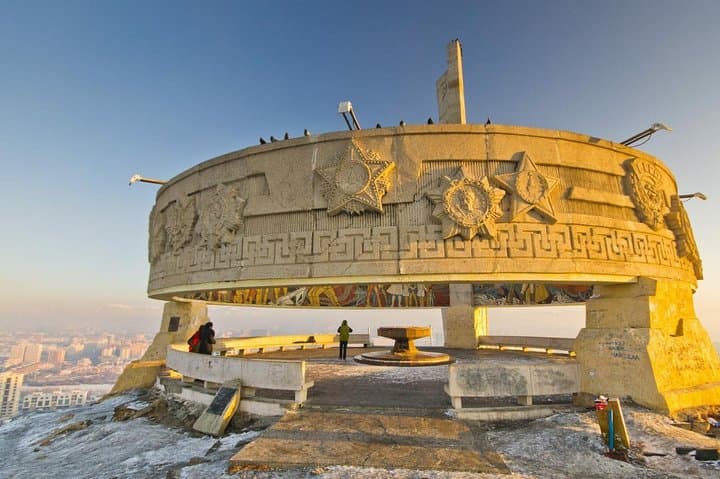
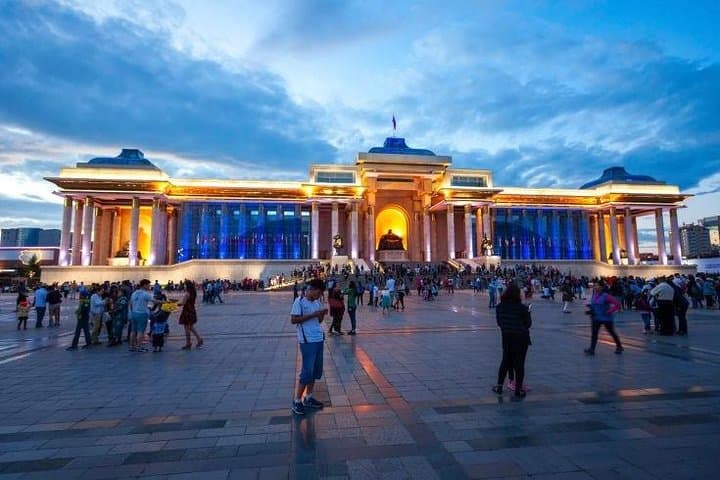
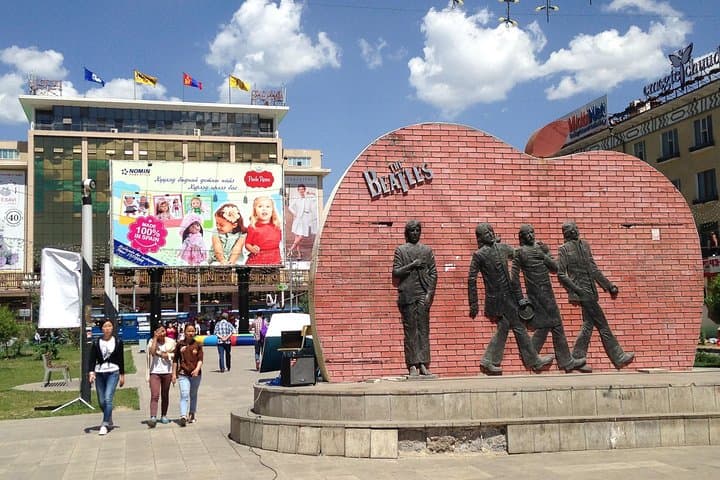
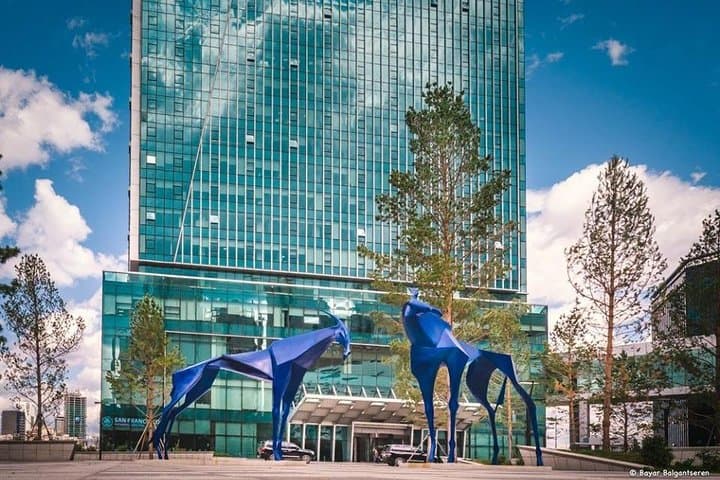
You step from the private vehicle into a cold, thin air that carries the city’s history—Ulaanbaatar sits at roughly 1,350 m, where gusts off surrounding hills push and pull through wide avenues. The tour moves at a steady, human pace: a national museum filled with Bronze Age artifacts, a palace that belonged to the last monarch, a hilltop memorial with sweeping city views and the low, chanting hum of the city’s largest Buddhist monastery.
You step from the private vehicle into a cold, thin air that carries the city’s history—Ulaanbaatar sits at roughly 1,350 m, where gusts off surrounding hills push and pull through wide avenues. The tour moves at a steady, human pace: a national museum filled with Bronze Age artifacts, a palace that belonged to the last monarch, a hilltop memorial with sweeping city views and the low, chanting hum of the city’s largest Buddhist monastery.
Mongolia’s capital grew from nomadic encampments to a Soviet-influenced modern city; sites on this route map that arc—from prehistory in the National History Museum to early-20th-century Bogd Khan Palace. The surrounding geology is simple—rolling steppe that becomes granite ridges to the north—yet the city’s layout still reflects trade and governance patterns that shaped modern Mongolia.
Culture appears in small moments: yak-hair rugs in a palace room, Buddhist incense at Gandan Monastery, throat-singing and horsehead-fiddle on the folk-show stage. Guides translate not just words but customs—how respect is shown at temples, or why public squares remain central gathering places.
Practical guidance: tours run 2–10 hours with private transport included and wheelchair-accessible options. Expect short walks between stops, some staircases at religious sites, and variable traffic. Bring a reusable water bottle, a charged phone for photos, and dress in layers for sharp temperature swings. Aim for morning departures to avoid afternoon traffic and to catch calmer light on the hilltop panoramas.