THE ADVENTURE COLLECTIVE® · Independent discovery and booking for outdoor travel

Escape Denver for a small-group guided hike into the Rocky Mountains. Choose alpine lakes, a bison reserve walk, or a historic-mining trail — all within about an hour of the city.
Escape Denver for a small-group guided hike into the Rocky Mountains. Choose alpine lakes, a bison reserve walk, or a historic-mining trail — all within about an hour of the city.
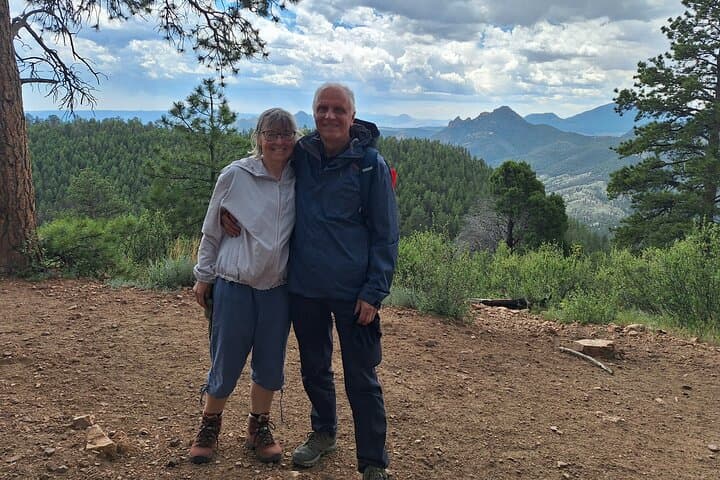
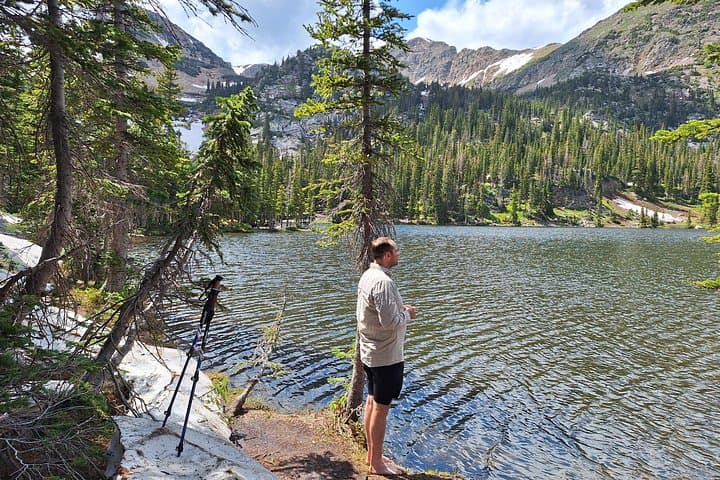
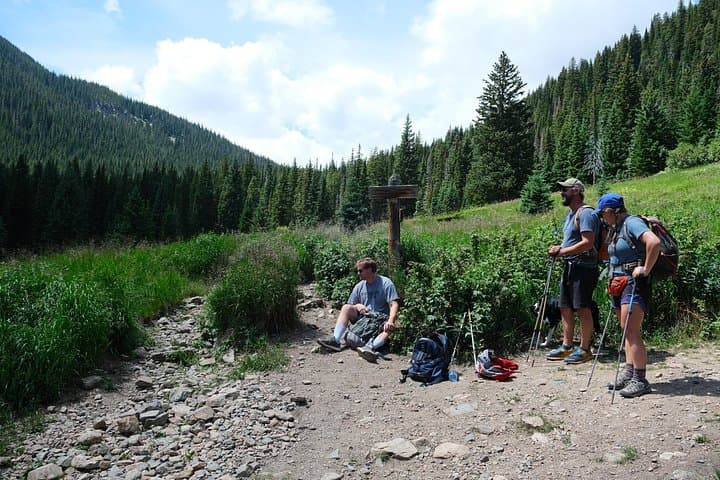
You leave Denver behind in a grey minivan and the city’s heat thins as the road climbs into craggy pines. Within an hour the air cools, the scent of resin sharpens, and a high basin opens: an alpine lake reflecting granite ribs and scraggly willows. The group spreads out, poles tapping a steady rhythm, as water and wind set the pace.
Verified experiences and guided adventures in the surrounding area.
Operated by Amazing Adventures · Nederland, Colorado
You leave Denver behind in a grey minivan and the city’s heat thins as the road climbs into craggy pines. Within an hour the air cools, the scent of resin sharpens, and a high basin opens: an alpine lake reflecting granite ribs and scraggly willows. The group spreads out, poles tapping a steady rhythm, as water and wind set the pace.
The area around these hikes carries layers of history — ancestral Ute routes, 19th-century mining camps that earned parts of the range nicknames like the “Switzerland of America,” and more recent conservation efforts to protect fragile alpine wetlands. Geologically the peaks are a mix of ancient metamorphic rock and younger igneous intrusions; expect steep talus slopes near ridgelines and glacially carved basins that hold clear mountain lakes.
Locally you’ll notice cultural markers: reclaimed mine foundations, trail signs installed by volunteer crews, and fences keeping visitors away from bison viewing areas. Guides choose among several options — a 4-mile round-trip alpine-lake hike with minor scrambling, a gentler 3.5-mile bison-reserve walk, or a 4.5-mile historic-mining route — tailoring distance to weather and group energy.
Practical points: altitude matters — plan for cooler temps 15–25°F below Denver; carry 1–2 liters of water, layers, and sun protection; good treaded boots and trekking poles make steep sections easier. Tours include sandwiches, snacks, and bottled water; in winter the operator supplies microspikes or snowshoes. Start early for better light, fewer crowds, and safer afternoon weather in the high country.
moderate.
4–6 hours.
Moderate fitness—able to hike 3–5 miles with 600–1,200 ft of elevation gain at altitude.
Yes; the tour offers pickup options from a meeting point in Denver and includes round-trip transport to trailheads within about an hour.
Options range from easier 3.5-mile reserve walks to 4–4.5-mile alpine and historic-mining hikes; most require moderate fitness and steady footing.
Wildlife sightings are possible — bison in the reserve, marmots and elk at higher elevations — but sightings aren’t guaranteed and distances are maintained for safety.
Guides adapt the itinerary for safety; they may choose alternative lower-elevation hikes or reschedule/cancel with refund per the 24-hour policy.
Trails cross lands used historically by Ute peoples and later by 19th-century miners; nearby mining towns shaped early mountain infrastructure.
Trails in these basins are sensitive to erosion and alpine vegetation damage—follow Leave No Trace and stick to durable surfaces; some areas restrict dogs and have seasonal closures to protect habitat.
Amazing Adventures operates guided outdoor trips and adventures with an emphasis on safety, stewardship, and memorable experiences.
You leave Denver behind in a grey minivan and the city’s heat thins as the road climbs into craggy pines. Within an hour the air cools, the scent of resin sharpens, and a high basin opens: an alpine lake reflecting granite ribs and scraggly willows. The group spreads out, poles tapping a steady rhythm, as water and wind set the pace.
You leave Denver behind in a grey minivan and the city’s heat thins as the road climbs into craggy pines. Within an hour the air cools, the scent of resin sharpens, and a high basin opens: an alpine lake reflecting granite ribs and scraggly willows. The group spreads out, poles tapping a steady rhythm, as water and wind set the pace.
The area around these hikes carries layers of history — ancestral Ute routes, 19th-century mining camps that earned parts of the range nicknames like the “Switzerland of America,” and more recent conservation efforts to protect fragile alpine wetlands. Geologically the peaks are a mix of ancient metamorphic rock and younger igneous intrusions; expect steep talus slopes near ridgelines and glacially carved basins that hold clear mountain lakes.
Locally you’ll notice cultural markers: reclaimed mine foundations, trail signs installed by volunteer crews, and fences keeping visitors away from bison viewing areas. Guides choose among several options — a 4-mile round-trip alpine-lake hike with minor scrambling, a gentler 3.5-mile bison-reserve walk, or a 4.5-mile historic-mining route — tailoring distance to weather and group energy.
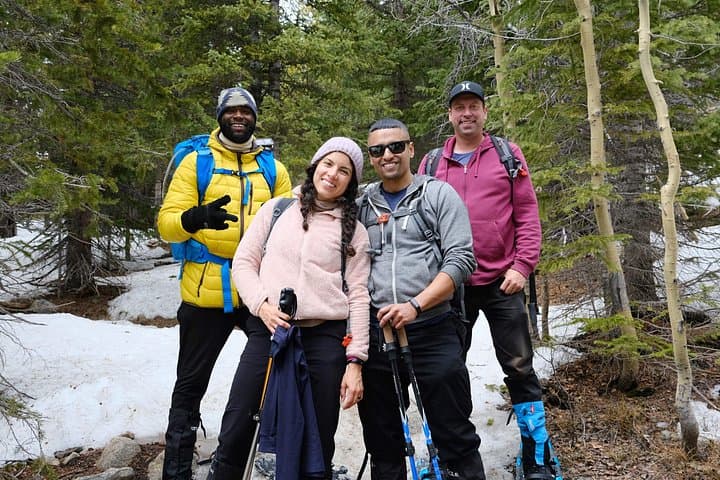
Practical points: altitude matters — plan for cooler temps 15–25°F below Denver; carry 1–2 liters of water, layers, and sun protection; good treaded boots and trekking poles make steep sections easier. Tours include sandwiches, snacks, and bottled water; in winter the operator supplies microspikes or snowshoes. Start early for better light, fewer crowds, and safer afternoon weather in the high country.