THE ADVENTURE COLLECTIVE® · Independent discovery and booking for outdoor travel

Ride historic Swiss trains into the heart of the Jungfrau region on a private day trip from Interlaken. Visit Grindelwald, ascend to Kleine Scheidegg for close-up views of the Eiger, then finish under the spray of Staubbach waterfall in Lauterbrunnen.
Ride historic Swiss trains into the heart of the Jungfrau region on a private day trip from Interlaken. Visit Grindelwald, ascend to Kleine Scheidegg for close-up views of the Eiger, then finish under the spray of Staubbach waterfall in Lauterbrunnen.
A mist-thin morning lifts off Lake Thun as the local train slips out of Interlaken. Windows frame farm fields, then the first jagged teeth of the Bernese Alps; by the time the valley tightens you’re walking Grindelwald’s main street with shutters open to mountain light and the Eiger’s north face looming above.
Verified experiences and guided adventures in the surrounding area.
Operated by SwissTravelGuide.ch · Interlaken, Canton of Bern
A mist-thin morning lifts off Lake Thun as the local train slips out of Interlaken. Windows frame farm fields, then the first jagged teeth of the Bernese Alps; by the time the valley tightens you’re walking Grindelwald’s main street with shutters open to mountain light and the Eiger’s north face looming above.
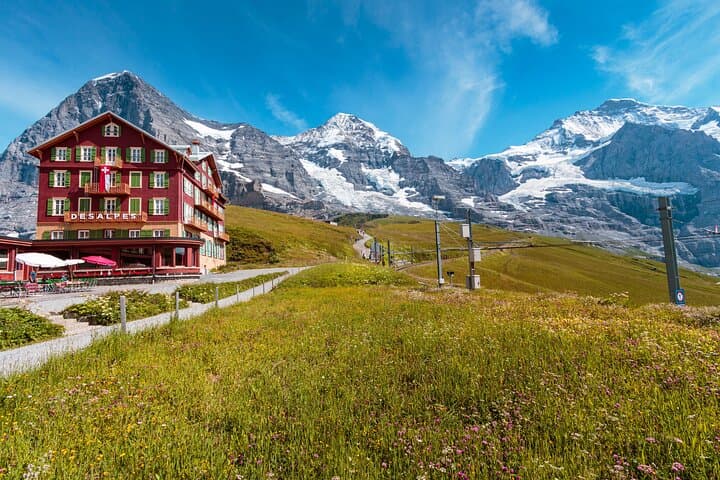
This route threads together the human and the geological: 19th-century alpinism turned these villages into gateways to high alpine routes, while cog and rack railways carved access over passes. Kleine Scheidegg (2,061 m) sits between the Eiger and Lauberhorn—an exposed pass where stone, ice and weather have shaped dramatic glacial cirques. Lauterbrunnen’s near-vertical valley walls funnel waterfalls like Staubbach (dropping roughly 300 m) into a narrow church-steeple village below, a landscape formed by ice-age erosion and centuries of pastoral life.
Expect photographic panoramas, short easy walks, and trains that are part of the experience—timed connections, changing light and alpine weather that can shift quickly. The private guide handles tickets and timing; you’ll have a couple of hours for lunch at Kleine Scheidegg and a stroll beneath Lauterbrunnen’s falls.
Practical edge: dress in layers, bring a waterproof shell and sturdy walking shoes for uneven village paths and viewpoints. Keep snacks and water handy—cafés are available but busy—and watch train schedules if you want extra stops (Wengen is visible en-route). Swiss public transport makes short, full-day alpine excursions efficient; be prepared for altitude, bright sun at higher elevations, and crowds at key viewpoints. A camera, a daypack and respect for fragile alpine terrain will get you the most from this classic Jungfrau-region day trip.
easy.
6–7 hours.
Suitable for most fitness levels; involves short walks on uneven surfaces and standing at viewpoints
The private tour runs about 6–7 hours and uses local trains and cog/rack railways—tickets for the planned route are included.
Yes; the itinerary involves easy walking in villages and at viewpoints, and is generally suitable for most ages, though mobility limitations should be discussed when booking.
Most cafés and shops accept cards, but small vendors may prefer Swiss francs—carry a small amount of cash just in case.
Tours may be canceled or adjusted in poor weather; the operator’s policy allows full refunds if canceled at least 24 hours prior or if conditions prevent safe travel.
Grindelwald and Lauterbrunnen rose to prominence during the 19th-century golden age of alpinism; railways and cog lines were built to connect mountaineers and tourists to high passes and lodges.
The Jungfrau region is part of a fragile alpine ecosystem and adjacent to the Jungfrau-Aletsch UNESCO area—stick to trails, pack out waste and favor public transport to reduce impact.
SwissTravelGuide.ch operates guided outdoor trips and adventures with an emphasis on safety, stewardship, and memorable experiences.
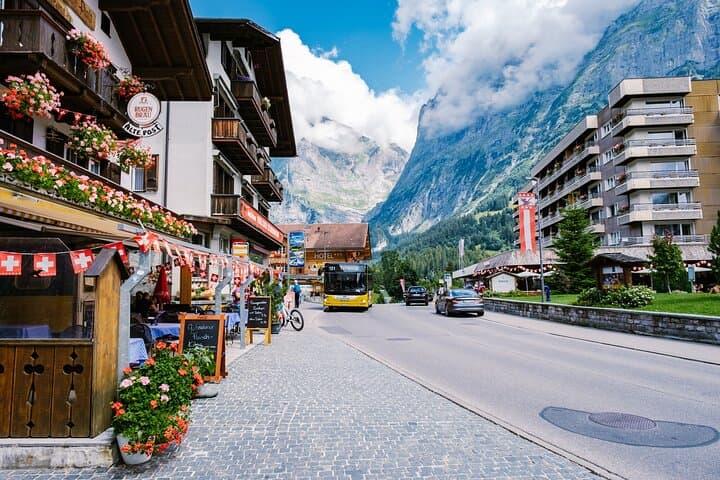
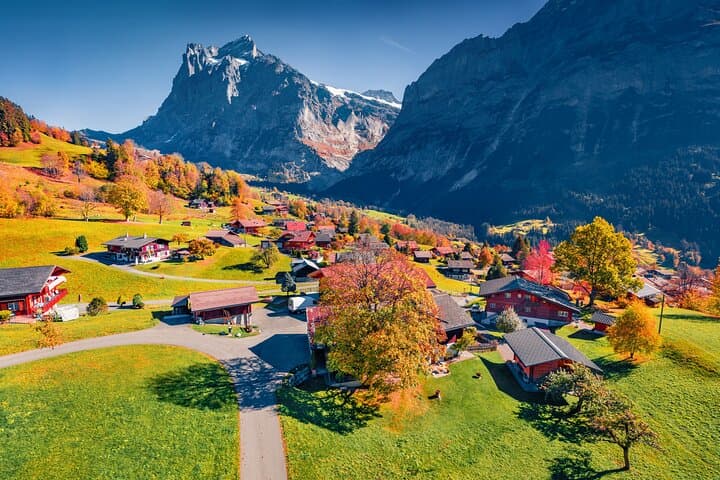
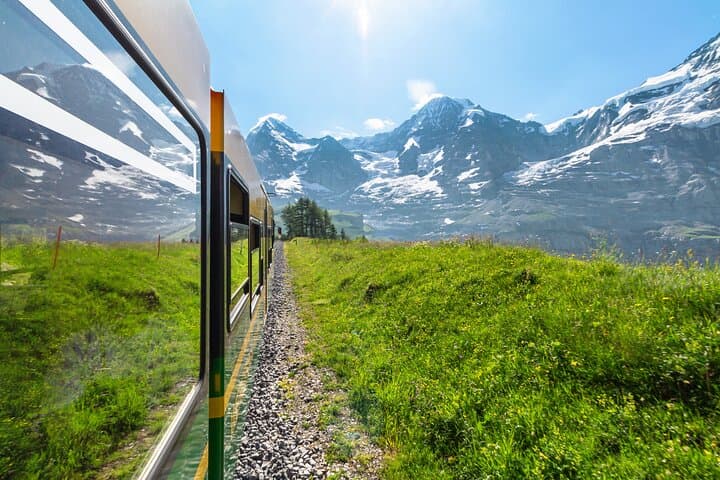
A mist-thin morning lifts off Lake Thun as the local train slips out of Interlaken. Windows frame farm fields, then the first jagged teeth of the Bernese Alps; by the time the valley tightens you’re walking Grindelwald’s main street with shutters open to mountain light and the Eiger’s north face looming above.
A mist-thin morning lifts off Lake Thun as the local train slips out of Interlaken. Windows frame farm fields, then the first jagged teeth of the Bernese Alps; by the time the valley tightens you’re walking Grindelwald’s main street with shutters open to mountain light and the Eiger’s north face looming above.
This route threads together the human and the geological: 19th-century alpinism turned these villages into gateways to high alpine routes, while cog and rack railways carved access over passes. Kleine Scheidegg (2,061 m) sits between the Eiger and Lauberhorn—an exposed pass where stone, ice and weather have shaped dramatic glacial cirques. Lauterbrunnen’s near-vertical valley walls funnel waterfalls like Staubbach (dropping roughly 300 m) into a narrow church-steeple village below, a landscape formed by ice-age erosion and centuries of pastoral life.
Expect photographic panoramas, short easy walks, and trains that are part of the experience—timed connections, changing light and alpine weather that can shift quickly. The private guide handles tickets and timing; you’ll have a couple of hours for lunch at Kleine Scheidegg and a stroll beneath Lauterbrunnen’s falls.
Practical edge: dress in layers, bring a waterproof shell and sturdy walking shoes for uneven village paths and viewpoints. Keep snacks and water handy—cafés are available but busy—and watch train schedules if you want extra stops (Wengen is visible en-route). Swiss public transport makes short, full-day alpine excursions efficient; be prepared for altitude, bright sun at higher elevations, and crowds at key viewpoints. A camera, a daypack and respect for fragile alpine terrain will get you the most from this classic Jungfrau-region day trip.