THE ADVENTURE COLLECTIVE® · Independent discovery and booking for outdoor travel

A private, three-hour tour that tours Laura’s Herb & Spice Garden with tastings and a local guide. Learn how Grenada’s volcanic soils and colonial history shaped its nickname, the “Isle of Spice,” while sampling nutmeg, mace, cinnamon and herbal remedies.
A private, three-hour tour that tours Laura’s Herb & Spice Garden with tastings and a local guide. Learn how Grenada’s volcanic soils and colonial history shaped its nickname, the “Isle of Spice,” while sampling nutmeg, mace, cinnamon and herbal remedies.
You step from the van into a pocket of humid air that smells of nutmeg, cinnamon and crushed lemon grass—spices that seem to lean toward you, eager to be sampled. A local guide walks ahead, fingers brushing glossy leaves as they point out nutmeg trees heavy with mace and the small, pungent bulbs of turmeric. The garden is intimate: paths thread between beds of herbs and spice trees, and every bend offers something to smell, taste or learn about.
Verified experiences and guided adventures in the surrounding area.
Operated by Vision Tours Grenada · St. George's, Saint George
You step from the van into a pocket of humid air that smells of nutmeg, cinnamon and crushed lemon grass—spices that seem to lean toward you, eager to be sampled. A local guide walks ahead, fingers brushing glossy leaves as they point out nutmeg trees heavy with mace and the small, pungent bulbs of turmeric. The garden is intimate: paths thread between beds of herbs and spice trees, and every bend offers something to smell, taste or learn about.
Grenada’s history is written in spice. Volcanic soils and a wet tropical climate made the island a global nutmeg producer after colonial plantations expanded in the 18th century; today, small gardens preserve both culinary uses and medicinal lore. Geology matters here—the island’s volcanic core feeds mineral-rich soil that gives spices their intensity.
Culturally this is hands-on learning: guides explain how nutmeg became central to local identity and how spices moved through markets and rum distilleries—Clarke’s Court appears on the route as a historical marker.
Practical details: the private tour runs roughly three hours including pickup, a pass-by of Clarke’s Court Rum Distillery and a one-hour guided walk in the garden with tastings. Dress for humidity and sun—closed-toe shoes, lightweight long sleeves and biodegradable sunscreen; mosquito repellent helps late afternoon visits. The garden is accessible but expect uneven paths and occasional steps. Bring a camera, sample small tastings provided, and avoid picking plants. The experience is equal parts sensory and instructive: you’ll leave with new recipes, sharper senses for spice, and a better sense of how Grenada’s landscape and history season each plate.
moderate.
3 hours.
Suitable for travelers with moderate fitness—short walks on uneven terrain and a few steps; not recommended for those with serious mobility or back issues.
Yes—private tour pricing includes hotel or port pickup and drop-off within the local pickup zone; provide arrival details when booking.
Children are allowed but infants must sit on an adult’s lap; the garden involves walking and some steps, so assess mobility for young kids.
Yes—the guided garden walk includes small tastings of herbs and spices and demonstrations of culinary and medicinal uses.
The tour operates in all weather; bring a lightweight rain jacket and shoes that can handle mud or wet conditions.
Grenada’s spice industry—especially nutmeg—became globally important after plantation expansion in the 18th–19th centuries and still shapes the island’s economy and identity.
Tours emphasize low-impact visitation: stick to paths, avoid picking plants and use biodegradable products to protect soil and nearby coastal ecosystems.
Vision Tours Grenada operates guided outdoor trips and adventures with an emphasis on safety, stewardship, and memorable experiences.
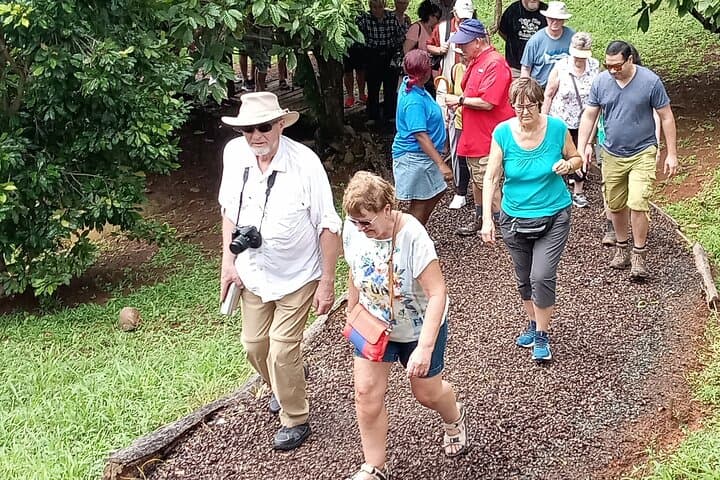
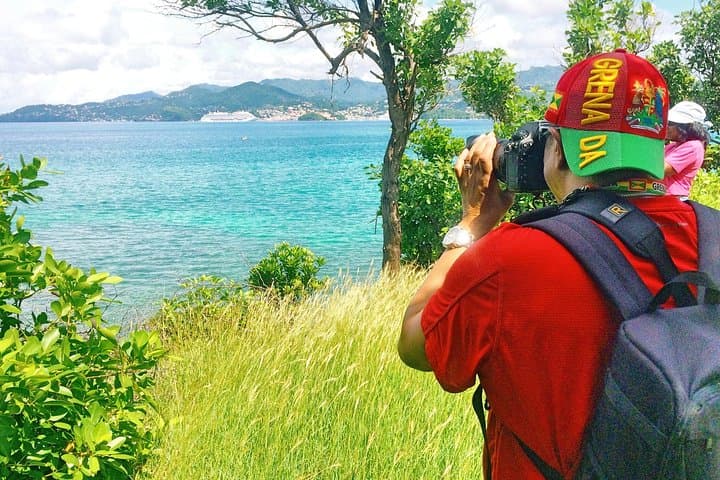
You step from the van into a pocket of humid air that smells of nutmeg, cinnamon and crushed lemon grass—spices that seem to lean toward you, eager to be sampled. A local guide walks ahead, fingers brushing glossy leaves as they point out nutmeg trees heavy with mace and the small, pungent bulbs of turmeric. The garden is intimate: paths thread between beds of herbs and spice trees, and every bend offers something to smell, taste or learn about.
You step from the van into a pocket of humid air that smells of nutmeg, cinnamon and crushed lemon grass—spices that seem to lean toward you, eager to be sampled. A local guide walks ahead, fingers brushing glossy leaves as they point out nutmeg trees heavy with mace and the small, pungent bulbs of turmeric. The garden is intimate: paths thread between beds of herbs and spice trees, and every bend offers something to smell, taste or learn about.
Grenada’s history is written in spice. Volcanic soils and a wet tropical climate made the island a global nutmeg producer after colonial plantations expanded in the 18th century; today, small gardens preserve both culinary uses and medicinal lore. Geology matters here—the island’s volcanic core feeds mineral-rich soil that gives spices their intensity.
Culturally this is hands-on learning: guides explain how nutmeg became central to local identity and how spices moved through markets and rum distilleries—Clarke’s Court appears on the route as a historical marker.
Practical details: the private tour runs roughly three hours including pickup, a pass-by of Clarke’s Court Rum Distillery and a one-hour guided walk in the garden with tastings. Dress for humidity and sun—closed-toe shoes, lightweight long sleeves and biodegradable sunscreen; mosquito repellent helps late afternoon visits. The garden is accessible but expect uneven paths and occasional steps. Bring a camera, sample small tastings provided, and avoid picking plants. The experience is equal parts sensory and instructive: you’ll leave with new recipes, sharper senses for spice, and a better sense of how Grenada’s landscape and history season each plate.