THE ADVENTURE COLLECTIVE® · Independent discovery and booking for outdoor travel

Experience the Great Wall by night on a private transfer from Beijing, visiting illuminated sections like Simatai and Badaling for quieter ramparts, dramatic views, and guided historical insight. Ideal for couples and small groups seeking a memorable, less-crowded way to see this iconic landmark.
Experience the Great Wall by night on a private transfer from Beijing, visiting illuminated sections like Simatai and Badaling for quieter ramparts, dramatic views, and guided historical insight. Ideal for couples and small groups seeking a memorable, less-crowded way to see this iconic landmark.
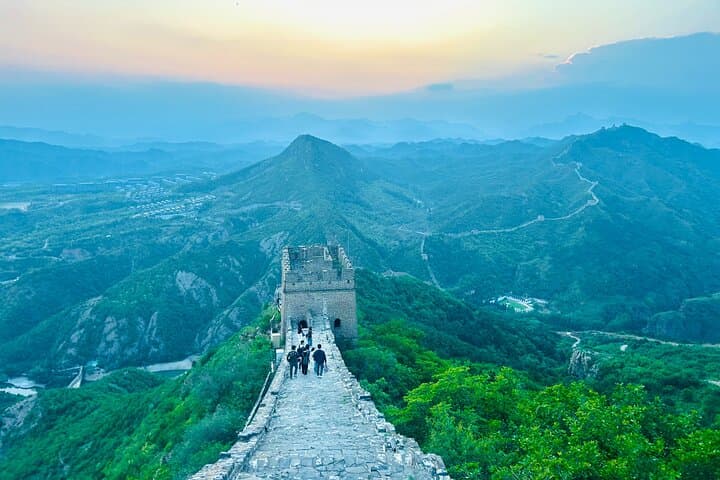
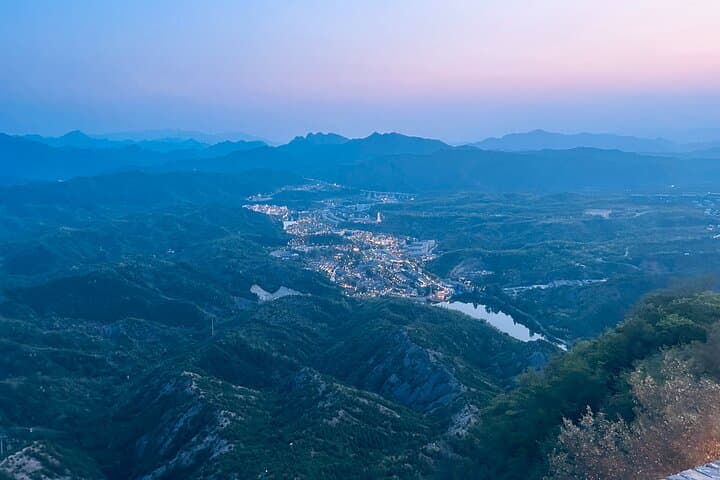
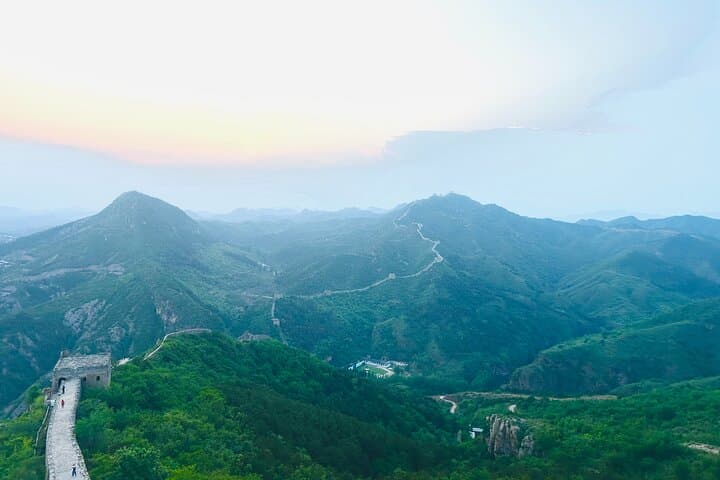
Under a low moon the Wall becomes a folded spine of stone; lantern pools and floodlights throw sharp arcs across steps that slope and rise like the ribs of a sleeping giant. On a private night tour from Beijing, guests trade daytime crowds for quiet ramparts and views that feel closer to the original purpose of the structure—watching the horizon.
Verified experiences and guided adventures in the surrounding area.
Operated by Beijing Short Tours · Beijing, Beijing
Under a low moon the Wall becomes a folded spine of stone; lantern pools and floodlights throw sharp arcs across steps that slope and rise like the ribs of a sleeping giant. On a private night tour from Beijing, guests trade daytime crowds for quiet ramparts and views that feel closer to the original purpose of the structure—watching the horizon.
The Great Wall is a palimpsest of Chinese history, its core stretches largely rebuilt during the Ming dynasty (1368–1644) to guard against northern incursions. Geologically it rides the jagged ridgelines of the Yan Mountains; the stone you walk on was quarried nearby and laid into terraces that catch wind and weather like a spine catches breeze. Cultural rituals—tea, local stories, and the occasional lantern—thread through the evening, giving the Wall a human heartbeat beyond its military function.
Practical guidance: bring a headlamp with a red-light setting, sturdy shoes for uneven, steep steps, and a warm layer—the temperature drops fast after sunset. Expect driven transfer times of 1–2 hours each way from central Beijing depending on traffic; the tour typically runs 6–8 hours and includes entrance, parking, and cable car where applicable. Guides provide historical context, manage admissions, and tailor pacing for families or couples.
At night the wind will seem to push you forward along crenellations; on clear evenings the stars feel alarmingly close. For photographers, blue hour and the first hour of darkness offer the best balance of ambient detail and illuminated architecture. Respect local rules: restricted sections remain closed after dark, and the most memorable nights are those that leave the Wall as undisturbed as you found it.
moderate.
6–8 hours.
Light to moderate fitness; involves walking up and down uneven stone steps for up to a couple of hours with short breaks.
No—only certain sections, such as parts of Simatai, are authorized for night visits; operators will choose permitted, lit sections and handle admissions.
Depending on traffic and pickup point, expect roughly 1–2 hours each way; some sections like Simatai are farther than Badaling.
Yes—many sections feature uneven, steep stone steps; while not technical, they require steady footing and reasonable mobility.
Yes—private pacing allows breaks and vehicle transfers to higher access points, but travelers with serious cardiovascular issues or late-pregnancy should avoid strenuous sections.
Most visible stretches were rebuilt under the Ming dynasty as a defensive line; many towers and walls served as signal posts and troop routes.
Night visits are limited and regulated at specific sections to reduce wear and light pollution; visitors should stay on marked paths and avoid touching ancient masonry.
Beijing Short Tours operates guided outdoor trips and adventures with an emphasis on safety, stewardship, and memorable experiences.

Under a low moon the Wall becomes a folded spine of stone; lantern pools and floodlights throw sharp arcs across steps that slope and rise like the ribs of a sleeping giant. On a private night tour from Beijing, guests trade daytime crowds for quiet ramparts and views that feel closer to the original purpose of the structure—watching the horizon.
Under a low moon the Wall becomes a folded spine of stone; lantern pools and floodlights throw sharp arcs across steps that slope and rise like the ribs of a sleeping giant. On a private night tour from Beijing, guests trade daytime crowds for quiet ramparts and views that feel closer to the original purpose of the structure—watching the horizon.
The Great Wall is a palimpsest of Chinese history, its core stretches largely rebuilt during the Ming dynasty (1368–1644) to guard against northern incursions. Geologically it rides the jagged ridgelines of the Yan Mountains; the stone you walk on was quarried nearby and laid into terraces that catch wind and weather like a spine catches breeze. Cultural rituals—tea, local stories, and the occasional lantern—thread through the evening, giving the Wall a human heartbeat beyond its military function.
Practical guidance: bring a headlamp with a red-light setting, sturdy shoes for uneven, steep steps, and a warm layer—the temperature drops fast after sunset. Expect driven transfer times of 1–2 hours each way from central Beijing depending on traffic; the tour typically runs 6–8 hours and includes entrance, parking, and cable car where applicable. Guides provide historical context, manage admissions, and tailor pacing for families or couples.
At night the wind will seem to push you forward along crenellations; on clear evenings the stars feel alarmingly close. For photographers, blue hour and the first hour of darkness offer the best balance of ambient detail and illuminated architecture. Respect local rules: restricted sections remain closed after dark, and the most memorable nights are those that leave the Wall as undisturbed as you found it.