THE ADVENTURE COLLECTIVE® · Independent discovery and booking for outdoor travel

Drive one of Australia’s most famous coastal routes with a private guide who customizes the day for your group. From the Memorial Arch to the Twelve Apostles, expect dramatic cliffs, short coastal walks, and wildlife sightings across a 9–12 hour day.
Drive one of Australia’s most famous coastal routes with a private guide who customizes the day for your group. From the Memorial Arch to the Twelve Apostles, expect dramatic cliffs, short coastal walks, and wildlife sightings across a 9–12 hour day.
Morning light thins through gum trees as the van pulls away from Melbourne and the highway gives way to the cliffs. The road curves along the continent’s southern edge: salt spray hits the windows, waves drum against limestone, and the driver points out a lone koala in the low coastal canopy. For a day you move with the coast — stopping where the group wants, from the Memorial Arch to the boardwalks above the towering stacks.
Verified experiences and guided adventures in the surrounding area.
Operated by Southern Caribou · Port Campbell, Victoria
Morning light thins through gum trees as the van pulls away from Melbourne and the highway gives way to the cliffs. The road curves along the continent’s southern edge: salt spray hits the windows, waves drum against limestone, and the driver points out a lone koala in the low coastal canopy. For a day you move with the coast — stopping where the group wants, from the Memorial Arch to the boardwalks above the towering stacks.
This route is part road, part history lesson: the Great Ocean Road was built by returned World War I servicemen as a living memorial, carving a driveable edge into ancient sandstone and limestone. Geologically, the cliffs are young sedimentary rock rapidly shaped by Southern Ocean storms; the stacks you photograph are the remains of that erosion. Culturally the route threads small seaside towns — Torquay, Lorne, Apollo Bay — each with fishing and surfing roots and local cafés that fuel day trips.
Expect short shoreline walks, viewpoints with constructed boardwalks, and interpretive stops like Loch Ard Gorge and the Twelve Apostles. Guides tailor the day for your group, helping with photos and timing for light. Practicalities matter: daylight and weather dictate the best viewing windows, and many highlights are exposed to wind.
Bring layers, sturdy shoes, sun protection, and a charged camera. Allow 9–12 hours for the full arc: time to eat in Apollo Bay, scan for wildlife at Kennett River, and stand quietly while the ocean reshapes the shore. Stick to marked paths — the coastline is spectacular but fragile.
easy.
9–12 hours.
Minimal fitness required for short boardwalk and viewpoint walks; be comfortable walking short distances on uneven surfaces.
Most private tours depart from central Melbourne; pickup location is arranged at booking and can include hotels or a central meeting point.
The tour runs roughly 9–12 hours depending on stops and traffic; driving from Melbourne to the start of the coast is about 90 minutes to Torquay, with additional driving between viewpoints.
Yes—physical demands are low and stops are flexible, but there are short walks and some steps at lookout points; travelers with serious mobility issues should discuss specifics with the operator.
Typical sightings include koalas in roadside gums and coastal birds like kookaburras and cormorants; sightings can’t be guaranteed but guides know productive viewing spots.
The Great Ocean Road was constructed by returned World War I soldiers as a memorial, carved into coastal cliffs between 1919 and 1932.
The limestone stacks are actively eroding; stick to boardwalks and viewpoints, pack out rubbish, and avoid disturbing coastal vegetation or wildlife.
Southern Caribou operates guided outdoor trips and adventures with an emphasis on safety, stewardship, and memorable experiences.

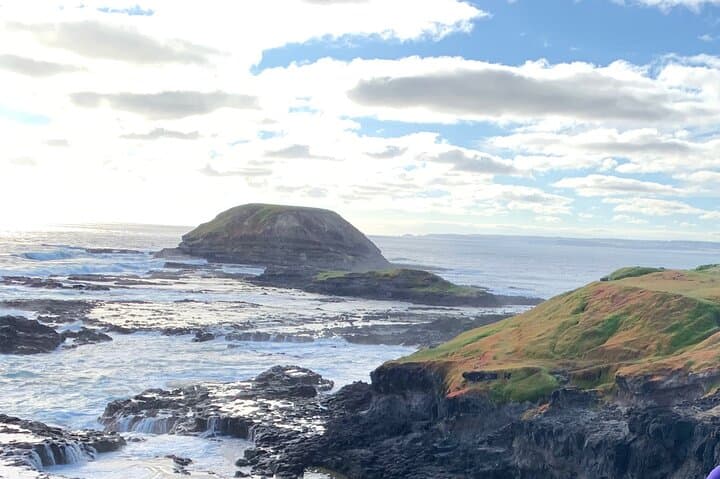
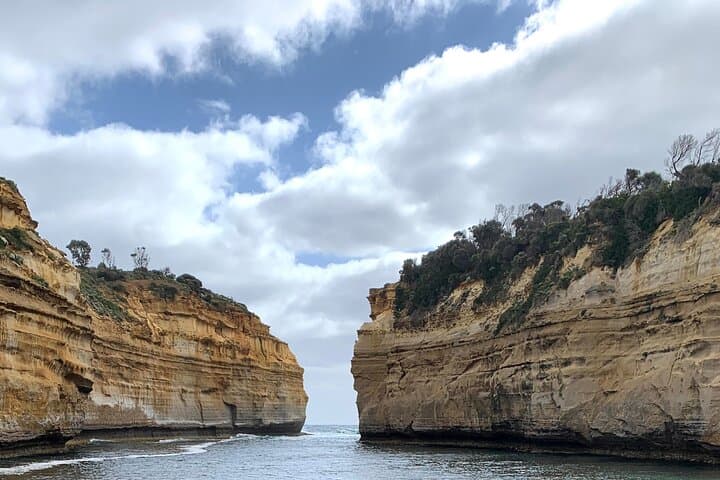

Morning light thins through gum trees as the van pulls away from Melbourne and the highway gives way to the cliffs. The road curves along the continent’s southern edge: salt spray hits the windows, waves drum against limestone, and the driver points out a lone koala in the low coastal canopy. For a day you move with the coast — stopping where the group wants, from the Memorial Arch to the boardwalks above the towering stacks.
Morning light thins through gum trees as the van pulls away from Melbourne and the highway gives way to the cliffs. The road curves along the continent’s southern edge: salt spray hits the windows, waves drum against limestone, and the driver points out a lone koala in the low coastal canopy. For a day you move with the coast — stopping where the group wants, from the Memorial Arch to the boardwalks above the towering stacks.
This route is part road, part history lesson: the Great Ocean Road was built by returned World War I servicemen as a living memorial, carving a driveable edge into ancient sandstone and limestone. Geologically, the cliffs are young sedimentary rock rapidly shaped by Southern Ocean storms; the stacks you photograph are the remains of that erosion. Culturally the route threads small seaside towns — Torquay, Lorne, Apollo Bay — each with fishing and surfing roots and local cafés that fuel day trips.
Expect short shoreline walks, viewpoints with constructed boardwalks, and interpretive stops like Loch Ard Gorge and the Twelve Apostles. Guides tailor the day for your group, helping with photos and timing for light. Practicalities matter: daylight and weather dictate the best viewing windows, and many highlights are exposed to wind.
Bring layers, sturdy shoes, sun protection, and a charged camera. Allow 9–12 hours for the full arc: time to eat in Apollo Bay, scan for wildlife at Kennett River, and stand quietly while the ocean reshapes the shore. Stick to marked paths — the coastline is spectacular but fragile.