THE ADVENTURE COLLECTIVE® · Independent discovery and booking for outdoor travel

Live aboard a yacht stewarded by Master Reef Guide Lynne Boyce for a private 4–7 day expedition across the Whitsundays and Great Barrier Reef. Expect guided snorkels, citizen-science opportunities, glass-bottom tours and whale songs via hydrophone.
Live aboard a yacht stewarded by Master Reef Guide Lynne Boyce for a private 4–7 day expedition across the Whitsundays and Great Barrier Reef. Expect guided snorkels, citizen-science opportunities, glass-bottom tours and whale songs via hydrophone.
Morning arrives like a slow exhale across the Coral Sea: the yacht rocks gently as the first pale light unrolls over coral bommies and a line of fins cuts across the water. Onboard, there’s the low, confident voice of Lynne, a Master Reef Guide, mapping the day—snorkel at first light, a glass-bottomed tour after lunch, then a late-afternoon hydrophone session to hear humpback songs that feel almost human.
Verified experiences and guided adventures in the surrounding area.
Operated by Great Barrier Reef Luxury Sailing Holidays · Airlie Beach, Queensland
Morning arrives like a slow exhale across the Coral Sea: the yacht rocks gently as the first pale light unrolls over coral bommies and a line of fins cuts across the water. Onboard, there’s the low, confident voice of Lynne, a Master Reef Guide, mapping the day—snorkel at first light, a glass-bottomed tour after lunch, then a late-afternoon hydrophone session to hear humpback songs that feel almost human.
This is a liveaboard that reads like a field guide in motion. John and Lynne Boyce have spent decades exploring the Great Barrier Reef and their permit from the Great Barrier Reef Marine Park Authority opens access to remote sites beyond the standard day-boat circuits. The reef itself is a living archive: built over millennia of coral growth, the structures here record fluctuations in sea level, currents and climate. The Whitsundays sit where the continental shelf shelves into deep blue—shallow lagoons and seaward walls press up against sweeping channels where pelagics patrol.
The culture of the reef is coastal and sea-wise. Onshore, Yirrganydji and other First Nations Peoples carry stories of these waters; aboard, the Boyces fold scientific observation into everyday life, inviting guests into citizen-science routines—recording sightings, logging coral condition and listening for whales with a hydrophone.
Practically, this is not a bare-boat adventure: the yacht is set up for comfort and learning. Meals by Lynne (author of Gourmet Sailing) are served family-style. Two kayaks, top-tier snorkel masks and soft fins are included; every off-boat excursion is guided. Expect a rhythm of early water time, midday briefings and afternoon drift snorkels that let the reef lead.
Plan for sun and salt. Sunrise snorkels are when reef life is most active; afternoons can bring stronger winds and chop if a front moves through. Hydrate between swims, use reef-safe sunscreen, and leave single-use plastics at home—this place is regulated and fragile.
Logistics are simple but specific: bookings are private, minimum four days; berth details are provided day-of-embarkation. Travel insurance is strongly advised given the remote nature of some anchorages. For photographers, bring a strobe or strong continuous light for underwater shots and a dry bag for topside glass-bottom shots.
This expedition is ideal for travelers who want more than a surface look—those who want expert interpretation, hands-on learning and the seaborne tempo of island-hopping. Whether you come for the corals, the whales, or the slow education of a week spent on the water, the Boyces provide a focused, low-impact way to see one of Earth’s most complex marine places.
easy.
4–7 days.
Basic mobility and comfort in water required; swimmers should be able to handle moderate currents for short snorkel sessions.
Trips are private with a minimum booking of four days; the yacht carries up to eight guests for an intimate experience.
Yes—top-quality Tusa masks, hyper-dry snorkels, soft fins and two kayaks are included in the trip price.
No—this expedition focuses on snorkelling and surface-supported exploration; scuba can be arranged separately in some cases.
Some sites are remote; the yacht is stocked for safety and the crew are experienced, but guests should carry travel insurance for medical evacuation if needed.
Yes—the yacht carries a hydrophone and seasonal migrations (usually June–October) make whale listening possible during the southern migration.
The tour can accommodate children but infants must sit on an adult’s lap during transfers; contact operators for family-specific safety arrangements.
European exploration of the Whitsundays began in the late 18th century; Indigenous custodians have maintained cultural connections to these sea-country for millennia.
Operations run under GBRMPA permit with emphasis on citizen science and low-impact practices; guests are asked to follow strict reef-safe guidelines to minimize disturbance.
Great Barrier Reef Luxury Sailing Holidays operates guided outdoor trips and adventures with an emphasis on safety, stewardship, and memorable experiences.
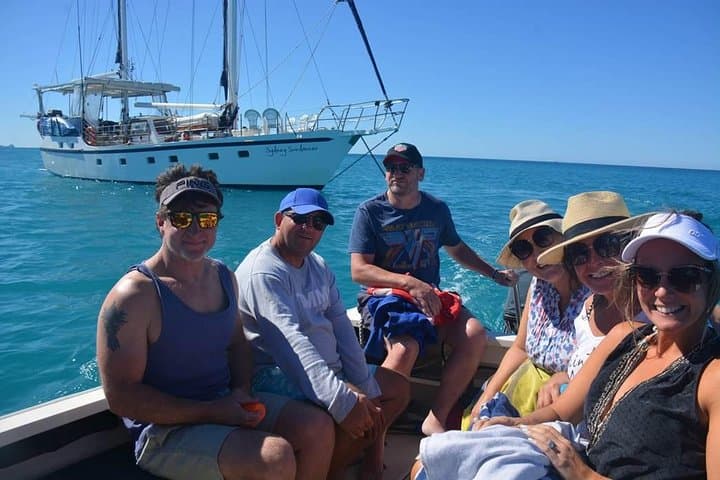
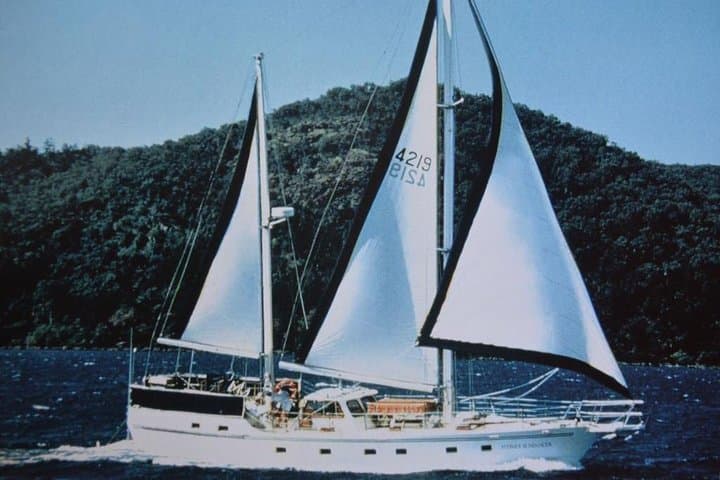
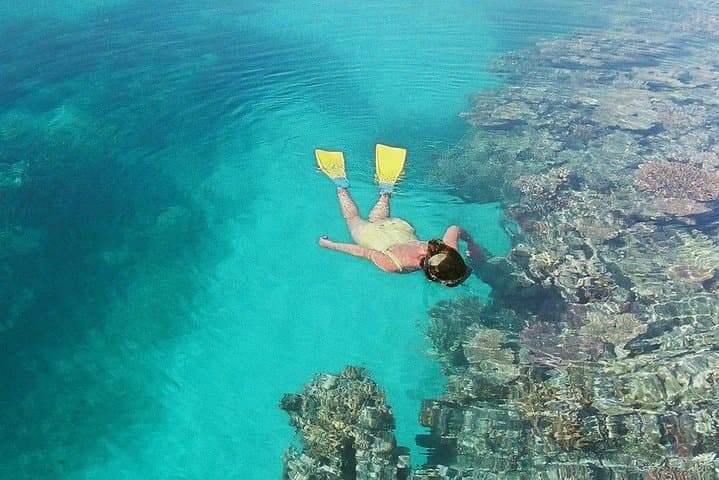
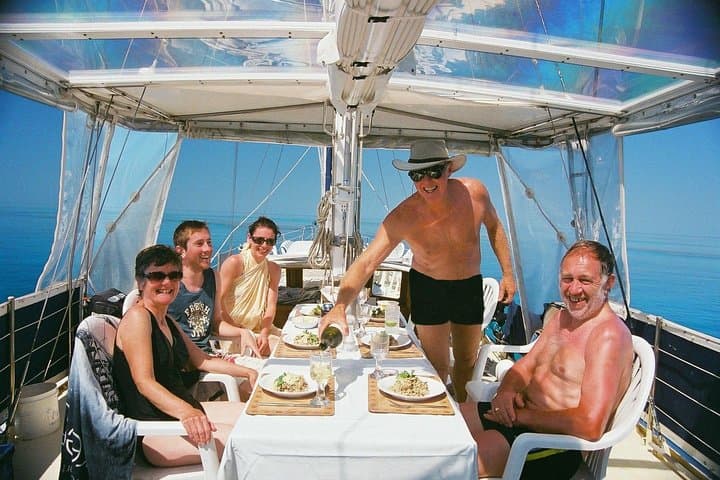
Morning arrives like a slow exhale across the Coral Sea: the yacht rocks gently as the first pale light unrolls over coral bommies and a line of fins cuts across the water. Onboard, there’s the low, confident voice of Lynne, a Master Reef Guide, mapping the day—snorkel at first light, a glass-bottomed tour after lunch, then a late-afternoon hydrophone session to hear humpback songs that feel almost human.
Morning arrives like a slow exhale across the Coral Sea: the yacht rocks gently as the first pale light unrolls over coral bommies and a line of fins cuts across the water. Onboard, there’s the low, confident voice of Lynne, a Master Reef Guide, mapping the day—snorkel at first light, a glass-bottomed tour after lunch, then a late-afternoon hydrophone session to hear humpback songs that feel almost human.
This is a liveaboard that reads like a field guide in motion. John and Lynne Boyce have spent decades exploring the Great Barrier Reef and their permit from the Great Barrier Reef Marine Park Authority opens access to remote sites beyond the standard day-boat circuits. The reef itself is a living archive: built over millennia of coral growth, the structures here record fluctuations in sea level, currents and climate. The Whitsundays sit where the continental shelf shelves into deep blue—shallow lagoons and seaward walls press up against sweeping channels where pelagics patrol.
The culture of the reef is coastal and sea-wise. Onshore, Yirrganydji and other First Nations Peoples carry stories of these waters; aboard, the Boyces fold scientific observation into everyday life, inviting guests into citizen-science routines—recording sightings, logging coral condition and listening for whales with a hydrophone.
Practically, this is not a bare-boat adventure: the yacht is set up for comfort and learning. Meals by Lynne (author of Gourmet Sailing) are served family-style. Two kayaks, top-tier snorkel masks and soft fins are included; every off-boat excursion is guided. Expect a rhythm of early water time, midday briefings and afternoon drift snorkels that let the reef lead.
Plan for sun and salt. Sunrise snorkels are when reef life is most active; afternoons can bring stronger winds and chop if a front moves through. Hydrate between swims, use reef-safe sunscreen, and leave single-use plastics at home—this place is regulated and fragile.
Logistics are simple but specific: bookings are private, minimum four days; berth details are provided day-of-embarkation. Travel insurance is strongly advised given the remote nature of some anchorages. For photographers, bring a strobe or strong continuous light for underwater shots and a dry bag for topside glass-bottom shots.
This expedition is ideal for travelers who want more than a surface look—those who want expert interpretation, hands-on learning and the seaborne tempo of island-hopping. Whether you come for the corals, the whales, or the slow education of a week spent on the water, the Boyces provide a focused, low-impact way to see one of Earth’s most complex marine places.