THE ADVENTURE COLLECTIVE® · Independent discovery and booking for outdoor travel

Board a panga at dawn for a small-group gray whale experience from La Paz. Travel over cactus-studded roads to Puerto Chale and spend controlled, close-approach time with curious mother–calf pairs in shallow Baja estuaries.
Board a panga at dawn for a small-group gray whale experience from La Paz. Travel over cactus-studded roads to Puerto Chale and spend controlled, close-approach time with curious mother–calf pairs in shallow Baja estuaries.
You meet at La Paz’s Malecon before the sun warms the Sea of Cortez; the road out threads past towering cardón cacti and low, volcanic ridges that catch the light. By the time the panga slips into the mangrove-lined bay of Almejas, the water has a slow, inquisitive pulse—gray whales often appear within a few meters, rolling or surfacing near the boat as if to inspect the visitor.
Verified experiences and guided adventures in the surrounding area.
Operated by The Hook Experiences · La Paz, Baja California Sur
You meet at La Paz’s Malecon before the sun warms the Sea of Cortez; the road out threads past towering cardón cacti and low, volcanic ridges that catch the light. By the time the panga slips into the mangrove-lined bay of Almejas, the water has a slow, inquisitive pulse—gray whales often appear within a few meters, rolling or surfacing near the boat as if to inspect the visitor.
This stretch of Baja California Sur is geologically young: basaltic necks and alluvial fans frame shallow estuaries where mothers bring calves to nurse away from open-ocean predators. The area’s fishing communities—Puerto Chale and the settlements around the Bay of Almejas—have long combined subsistence fishing with seasonal whale watching; the site even drew Natural History film crews documenting mother–calf behavior.
Locally, the pace is practical and patient—boats launch from sandy ramps, lunches are fish-forward, and conversations include both marine lore and conservation. Expect a two-hour drive from La Paz, panga launches, and multiple short approach periods; operators limit group sizes so interactions stay intimate and controlled.
Plan for sun, wind, and sea spray: bring layered sun protection, a light waterproof, and binoculars. Follow guides’ instructions—close encounters are possible but managed; touching or chasing whales is discouraged. Timing is everything: go in peak season for the best chance at multiple close approaches, and budget the full day for transport, on-water time, and a relaxed return. This is a small-group, wildlife-focused outing that balances thrill with responsibility.
easy.
10 hours.
Basic mobility and ability to board small boats; long periods sitting and light walking required.
Gray whales frequent Baja nurseries typically from December through April, with peak close-approach sightings from January to March.
Whales in these bays can approach within a few meters; operators manage approaches and maintain distance when necessary to protect the animals.
Yes—small children can participate but must sit on laps as required; non-swimmers can join but should follow crew safety briefings and wear provided life jackets.
Occasional gentle contact has occurred, but touching is not encouraged; follow the guide’s rules to avoid stressing animals and to comply with regulations.
The Bahia de Almejas and Puerto Chale have long been seasonal refuges for migrating gray whales; local fishing communities have adapted to tourism while maintaining traditional livelihoods.
Operators in the area follow guidelines to minimize disturbance—approaches are controlled, and guests are asked to avoid feeding or chasing wildlife to protect calves and mothers.
The Hook Experiences operates guided outdoor trips and adventures with an emphasis on safety, stewardship, and memorable experiences.
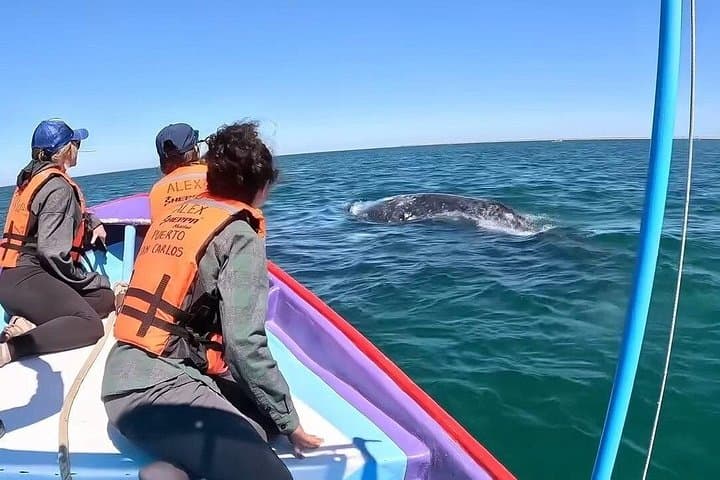
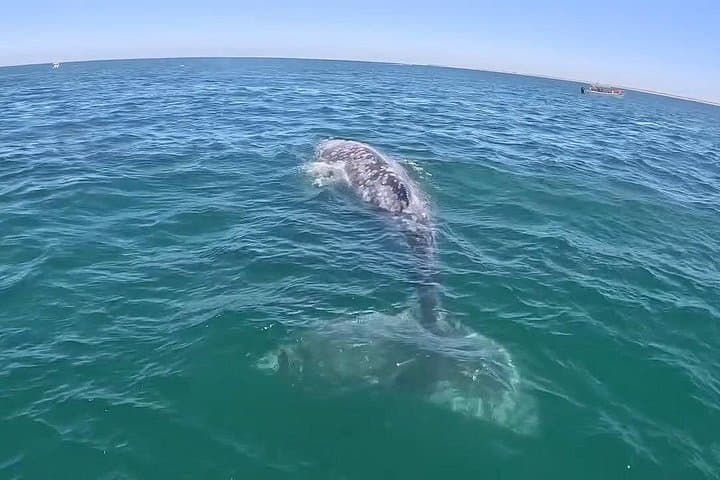
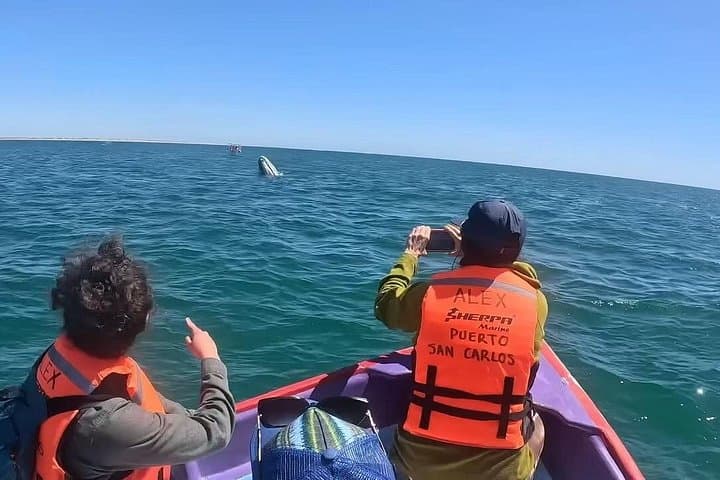
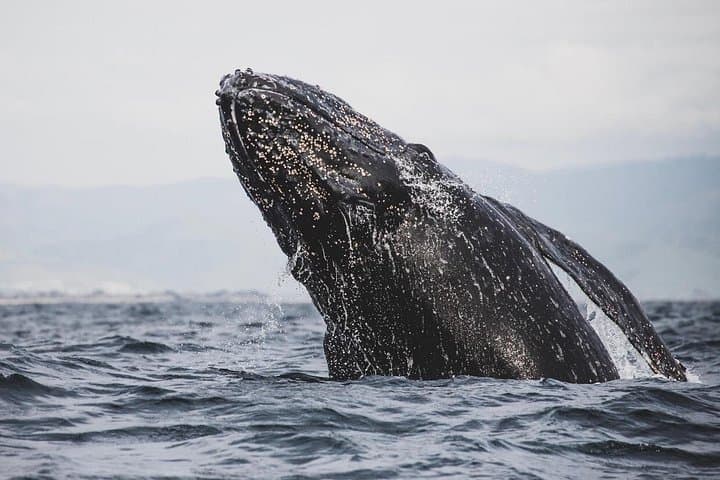
You meet at La Paz’s Malecon before the sun warms the Sea of Cortez; the road out threads past towering cardón cacti and low, volcanic ridges that catch the light. By the time the panga slips into the mangrove-lined bay of Almejas, the water has a slow, inquisitive pulse—gray whales often appear within a few meters, rolling or surfacing near the boat as if to inspect the visitor.
You meet at La Paz’s Malecon before the sun warms the Sea of Cortez; the road out threads past towering cardón cacti and low, volcanic ridges that catch the light. By the time the panga slips into the mangrove-lined bay of Almejas, the water has a slow, inquisitive pulse—gray whales often appear within a few meters, rolling or surfacing near the boat as if to inspect the visitor.
This stretch of Baja California Sur is geologically young: basaltic necks and alluvial fans frame shallow estuaries where mothers bring calves to nurse away from open-ocean predators. The area’s fishing communities—Puerto Chale and the settlements around the Bay of Almejas—have long combined subsistence fishing with seasonal whale watching; the site even drew Natural History film crews documenting mother–calf behavior.
Locally, the pace is practical and patient—boats launch from sandy ramps, lunches are fish-forward, and conversations include both marine lore and conservation. Expect a two-hour drive from La Paz, panga launches, and multiple short approach periods; operators limit group sizes so interactions stay intimate and controlled.
Plan for sun, wind, and sea spray: bring layered sun protection, a light waterproof, and binoculars. Follow guides’ instructions—close encounters are possible but managed; touching or chasing whales is discouraged. Timing is everything: go in peak season for the best chance at multiple close approaches, and budget the full day for transport, on-water time, and a relaxed return. This is a small-group, wildlife-focused outing that balances thrill with responsibility.