THE ADVENTURE COLLECTIVE® · Independent discovery and booking for outdoor travel

Spend a private day with a naturalist as Grand Teton’s valleys, lakes, and ridgelines reveal elk, moose, bison, and raptors. This full-day wildlife safari from Jackson Hole blends expert spotting with geology and cultural history—ideal for travelers who want close observation without the crowds.
Spend a private day with a naturalist as Grand Teton’s valleys, lakes, and ridgelines reveal elk, moose, bison, and raptors. This full-day wildlife safari from Jackson Hole blends expert spotting with geology and cultural history—ideal for travelers who want close observation without the crowds.
The engine idles, a low human hum against a backdrop of horned peaks. You step onto the highway with a guide who reads the land like a book: where elk graze the sage, where willows hide moose, where the valley narrows and the Tetons rise like a raw, folded page. For eight hours the park opens in chapters—river bend, marsh, ridge, and plain—each with the possibility of something watching back.
Verified experiences and guided adventures in the surrounding area.
Operated by Jackson Hole Wildlife Safaris · Jackson, Wyoming
The engine idles, a low human hum against a backdrop of horned peaks. You step onto the highway with a guide who reads the land like a book: where elk graze the sage, where willows hide moose, where the valley narrows and the Tetons rise like a raw, folded page. For eight hours the park opens in chapters—river bend, marsh, ridge, and plain—each with the possibility of something watching back.
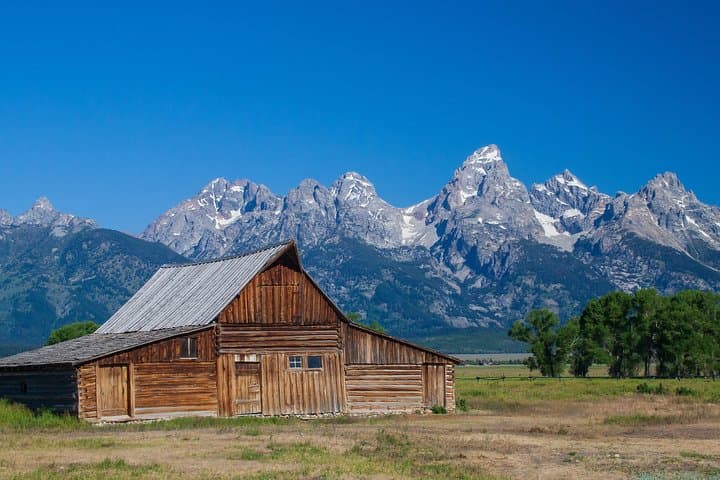
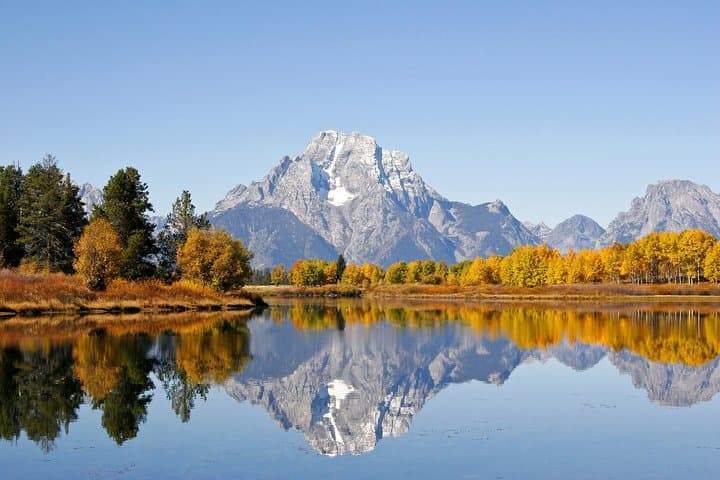
Grand Teton National Park is young in geological terms: thrust upward in the last 10 million years as the Teton fault snapped the range skyward while Jackson Hole dropped into a valley. That dramatic motion left steep, jagged summits—Grand Teton itself reaches 13,775 feet—and a mosaic of glacial lakes and wetlands below. Human history here runs from Shoshone seasonal camps to early mountain men and later homesteaders; trails and ridgelines still carry the faint fingerprints of that passage.
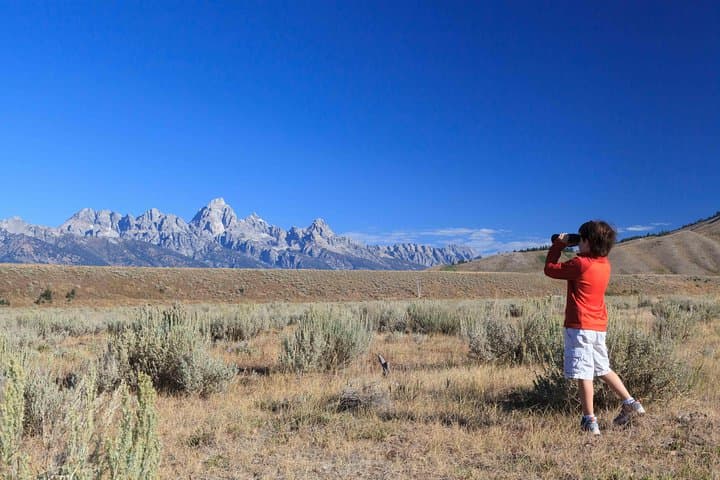
Your private safari is built for watching and learning. Guides from Jackson Hole Wildlife Safaris carry UHD spotting scopes, binoculars, and years of local observation. They adapt the day to seasonal behavior: spring river corridors draw grizzly sows with cubs; summer sees moose in high wet meadows; fall brings elk rutting and long-eyed raptors; winter concentrates animals in lower valleys. Stops are short walks, observation pullouts, or viewpoints where the guide will frame a species’ behavior in ecological context—what the elk are feeding on, why pronghorn favor open sage, how wolves shape forage patterns.
Practicalities matter on this kind of day: the tour runs about eight hours with private transportation, bottled water, snacks, lunch, and professional naturalist guidance included. Pickup and drop-off from Jackson and Teton Village simplify logistics. Park entrance fees and gratuities are not included.
To get the most from the day, dress in layered clothing for sudden alpine sun and wind, bring your own camera with a telephoto lens if you want wildlife close-ups, and keep movement quiet at viewing stops—the animals read motion more reliably than noise. Respect closures and the minimum-distance rules for bears and wolves; the guide enforces those boundaries for safety and conservation. And remember: wildlife sightings are never guaranteed, but following local expertise and timing—dawn and dusk movement, river crossings, seasonal migration—greatly increases the odds.
A private safari is a concentrated way to read Grand Teton’s living landscape: geology that still moves, ecosystems that respond to drought and snow, and wildlife that alternates between bold and secretive. The day leaves you with more than photos; it hands you a clearer understanding of why this mountain valley demands patient, informed attention.
easy.
8 hours.
Minimal fitness required; mostly vehicle-based with short, flat walks at pullouts—comfortable mobility recommended
No—entrance fees to Grand Teton National Park are not included; your guide will advise on passes or where to pay at the gate.
Yes—private tours allow children younger than 8, and the guide will adapt stops, but expect long periods in the vehicle.
Common sightings include elk, moose, bison, pronghorn, and raptors; bears and wolves are possible but less predictable.
Bottled water, snacks, and lunch are provided, but bringing personal snacks or special dietary items is wise.
Full refund if canceled at least 24 hours before departure; private safaris also have supplier-specific policies—check booking details.
Guides typically request 10 minutes before departure; confirm your exact pickup time and location at booking.
The valley was seasonally used by Shoshone people and later became a hub for trappers and homesteaders; the park was established in 1929 to protect the dramatic range and valley.
Visitor behavior and private-vehicle traffic affect wildlife stress—guides limit disturbances and follow park rules to reduce human-wildlife conflict and protect sensitive habitats.
Jackson Hole Wildlife Safaris operates guided outdoor trips and adventures with an emphasis on safety, stewardship, and memorable experiences.
The engine idles, a low human hum against a backdrop of horned peaks. You step onto the highway with a guide who reads the land like a book: where elk graze the sage, where willows hide moose, where the valley narrows and the Tetons rise like a raw, folded page. For eight hours the park opens in chapters—river bend, marsh, ridge, and plain—each with the possibility of something watching back.
The engine idles, a low human hum against a backdrop of horned peaks. You step onto the highway with a guide who reads the land like a book: where elk graze the sage, where willows hide moose, where the valley narrows and the Tetons rise like a raw, folded page. For eight hours the park opens in chapters—river bend, marsh, ridge, and plain—each with the possibility of something watching back.
Grand Teton National Park is young in geological terms: thrust upward in the last 10 million years as the Teton fault snapped the range skyward while Jackson Hole dropped into a valley. That dramatic motion left steep, jagged summits—Grand Teton itself reaches 13,775 feet—and a mosaic of glacial lakes and wetlands below. Human history here runs from Shoshone seasonal camps to early mountain men and later homesteaders; trails and ridgelines still carry the faint fingerprints of that passage.
Your private safari is built for watching and learning. Guides from Jackson Hole Wildlife Safaris carry UHD spotting scopes, binoculars, and years of local observation. They adapt the day to seasonal behavior: spring river corridors draw grizzly sows with cubs; summer sees moose in high wet meadows; fall brings elk rutting and long-eyed raptors; winter concentrates animals in lower valleys. Stops are short walks, observation pullouts, or viewpoints where the guide will frame a species’ behavior in ecological context—what the elk are feeding on, why pronghorn favor open sage, how wolves shape forage patterns.
Practicalities matter on this kind of day: the tour runs about eight hours with private transportation, bottled water, snacks, lunch, and professional naturalist guidance included. Pickup and drop-off from Jackson and Teton Village simplify logistics. Park entrance fees and gratuities are not included.
To get the most from the day, dress in layered clothing for sudden alpine sun and wind, bring your own camera with a telephoto lens if you want wildlife close-ups, and keep movement quiet at viewing stops—the animals read motion more reliably than noise. Respect closures and the minimum-distance rules for bears and wolves; the guide enforces those boundaries for safety and conservation. And remember: wildlife sightings are never guaranteed, but following local expertise and timing—dawn and dusk movement, river crossings, seasonal migration—greatly increases the odds.
A private safari is a concentrated way to read Grand Teton’s living landscape: geology that still moves, ecosystems that respond to drought and snow, and wildlife that alternates between bold and secretive. The day leaves you with more than photos; it hands you a clearer understanding of why this mountain valley demands patient, informed attention.