THE ADVENTURE COLLECTIVE® · Independent discovery and booking for outdoor travel

Explore WWII bunkers, a compact wartime museum and the medieval Devil’s Bridge on a private 3‑hour tour from Borgo a Mozzano. Expect close-up history, rocky fortifications, and riverside panoramas with a local guide.
Explore WWII bunkers, a compact wartime museum and the medieval Devil’s Bridge on a private 3‑hour tour from Borgo a Mozzano. Expect close-up history, rocky fortifications, and riverside panoramas with a local guide.
Morning light cuts across the Serchio River as you meet your guide in Piazza Marconi; the town still smells faintly of bread ovens and wet stone. The three-hour private tour moves at a steady pace—museum case to bunker mouth, car ride to hill-top fortification, then a walk across the Devil’s Bridge where the river dares you to look down from its humpbacked arch.
Verified experiences and guided adventures in the surrounding area.
Operated by Turislucca · Borgo a Mozzano, Tuscany
Morning light cuts across the Serchio River as you meet your guide in Piazza Marconi; the town still smells faintly of bread ovens and wet stone. The three-hour private tour moves at a steady pace—museum case to bunker mouth, car ride to hill-top fortification, then a walk across the Devil’s Bridge where the river dares you to look down from its humpbacked arch.
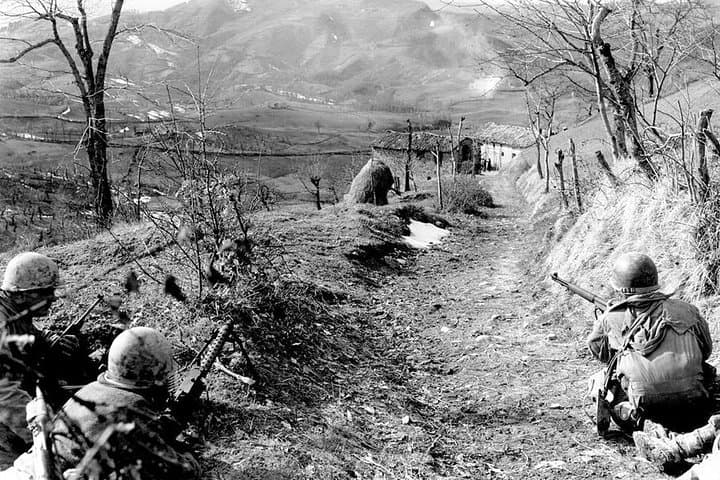
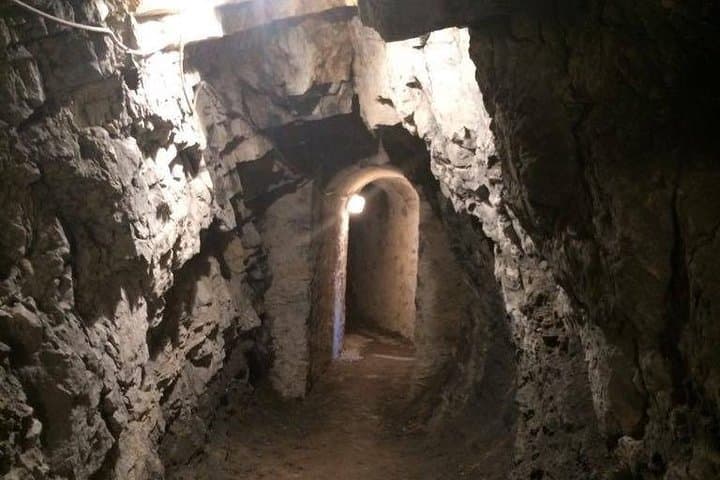
This stretch of Tuscany carries layered history: medieval pilgrims crossed the Ponte della Maddalena on their march to Rome, while in 1944 the same crossing sat near the Allies’ front as the German-built Gothic Line sliced through the hills. Geology is plain in the bunkers—granite and schist carved into defensive hollows—while the bridge’s asymmetric arches reveal centuries of repairs and changing river moods.
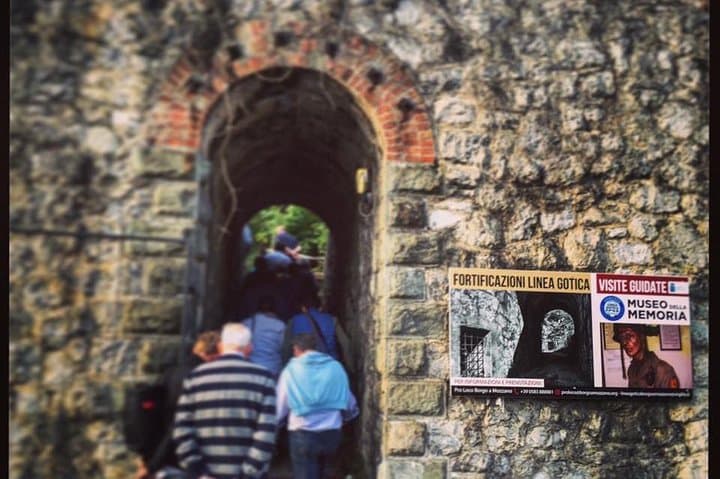
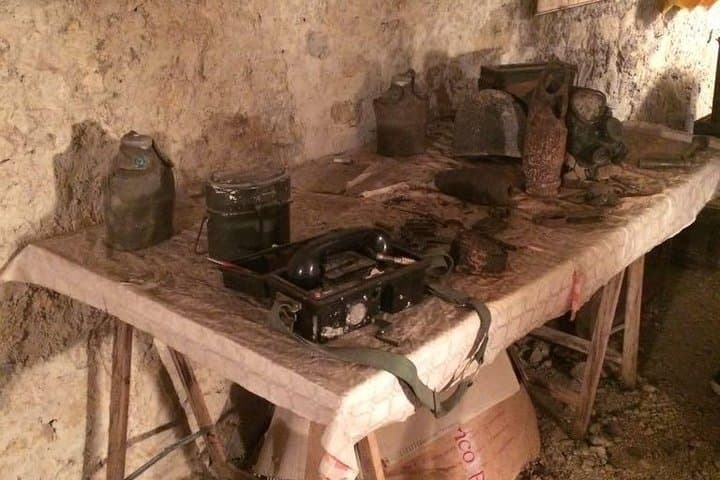
Culture here is small-town and deliberate; guides draw on local Resistance stories and show wartime communiqués at the Museo della Memoria, grounding the walk in human choices as much as stone. Anchiano’s ruined hamlet and the observation bunkers offer quieter vantage points and photography stops.
Practical notes: the tour requires a car or train access to Borgo a Mozzano and moderate fitness for short climbs and uneven floors. Wear sturdy shoes for rock-cut bunkers and bring water—shade is limited between stops. If you’re after quiet panoramas, schedule early morning light or late afternoon to avoid midday traffic on the bridge. The guide handles logistics and context; bring curiosity and a camera—these sites reward close, respectful attention to both landscape and history.
moderate.
3 hours.
Moderate; able to walk short distances, climb steps and traverse uneven surfaces.
Yes — the itinerary assumes vehicle access to reach the Anchiano bunker; you can also reach Borgo a Mozzano by regional train from Lucca, Pisa or Florence and meet the guide there.
Guides lead visits to stable sections of the bunkers; expect uneven floors and low ceilings—those with mobility issues should contact the operator in advance.
Yes — the Ponte della Maddalena can be crossed on foot and offers the best river panoramas from its highest hump.
Guides are local and typically offer Italian and English; confirm language needs when booking.
The Gothic Line was a German defensive line across the northern Apennines in 1944; local museums document how Lucca province and nearby towns experienced occupation and the Resistance.
These sites are fragile—stay on paths, avoid touching fragile masonry or wartime artifacts, and pack out any waste to protect historic fabric and river habitats.
Turislucca operates guided outdoor trips and adventures with an emphasis on safety, stewardship, and memorable experiences.
Morning light cuts across the Serchio River as you meet your guide in Piazza Marconi; the town still smells faintly of bread ovens and wet stone. The three-hour private tour moves at a steady pace—museum case to bunker mouth, car ride to hill-top fortification, then a walk across the Devil’s Bridge where the river dares you to look down from its humpbacked arch.
Morning light cuts across the Serchio River as you meet your guide in Piazza Marconi; the town still smells faintly of bread ovens and wet stone. The three-hour private tour moves at a steady pace—museum case to bunker mouth, car ride to hill-top fortification, then a walk across the Devil’s Bridge where the river dares you to look down from its humpbacked arch.
This stretch of Tuscany carries layered history: medieval pilgrims crossed the Ponte della Maddalena on their march to Rome, while in 1944 the same crossing sat near the Allies’ front as the German-built Gothic Line sliced through the hills. Geology is plain in the bunkers—granite and schist carved into defensive hollows—while the bridge’s asymmetric arches reveal centuries of repairs and changing river moods.
Culture here is small-town and deliberate; guides draw on local Resistance stories and show wartime communiqués at the Museo della Memoria, grounding the walk in human choices as much as stone. Anchiano’s ruined hamlet and the observation bunkers offer quieter vantage points and photography stops.
Practical notes: the tour requires a car or train access to Borgo a Mozzano and moderate fitness for short climbs and uneven floors. Wear sturdy shoes for rock-cut bunkers and bring water—shade is limited between stops. If you’re after quiet panoramas, schedule early morning light or late afternoon to avoid midday traffic on the bridge. The guide handles logistics and context; bring curiosity and a camera—these sites reward close, respectful attention to both landscape and history.